E-pos: [email protected]

Graniet eet toerusting vir ontbyt. Daardie ineengeslote kristalstruktuur – meestal kwarts en veldspaat – lag vir swak masjinerie. Om 'n winsgewende operasie te bedryf beteken om diegraniet breek en maal plant (graniet verwerkte aanleg) grondbeginsels rotsvas van dag een af. Slaan die teorie oor; kom ons praat oor wat eintlik werk wanneer jy van steengroefblok na verkoopbare produk beweeg.
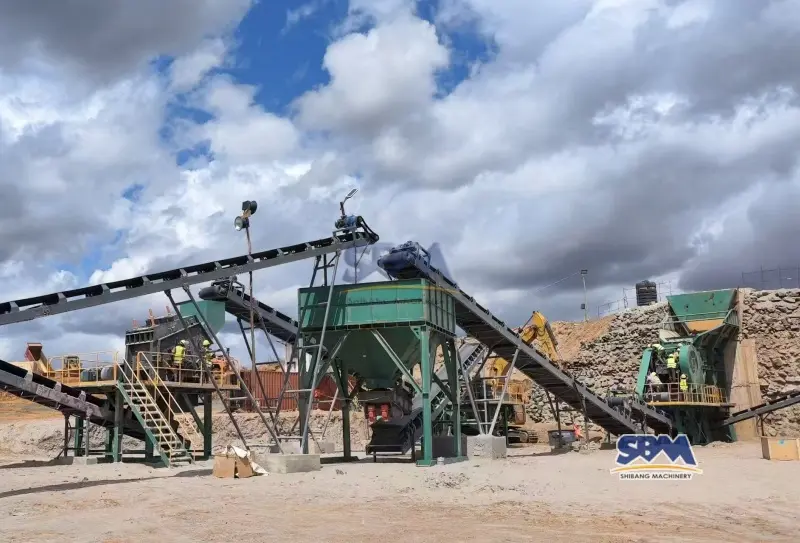
Ken jou rots: Dit dikteer jou plant
Ignoreer graniet se Mohs 6-7 gradering op jou eie gevaar. Die skuur daarvan sal swak geselekteerde voerings versnipper. Konsekwentheid maak ook saak – aarvariasies verander slytasietempo en deurset. Slim operateurs monster voortdurend. Voordat jy daardie primêre breker spesifiseer, beantwoord dit: Wat is die werklike voergrootteverspreiding vanaf jou skietbemanning? Wensdenkery kos miljoene in stilstand.
Primêre verplettering: Waar die werklike werk begin
Daardie multi-ton blokke moet vinnig en betroubaar breek. Dit is brute force-gebied:
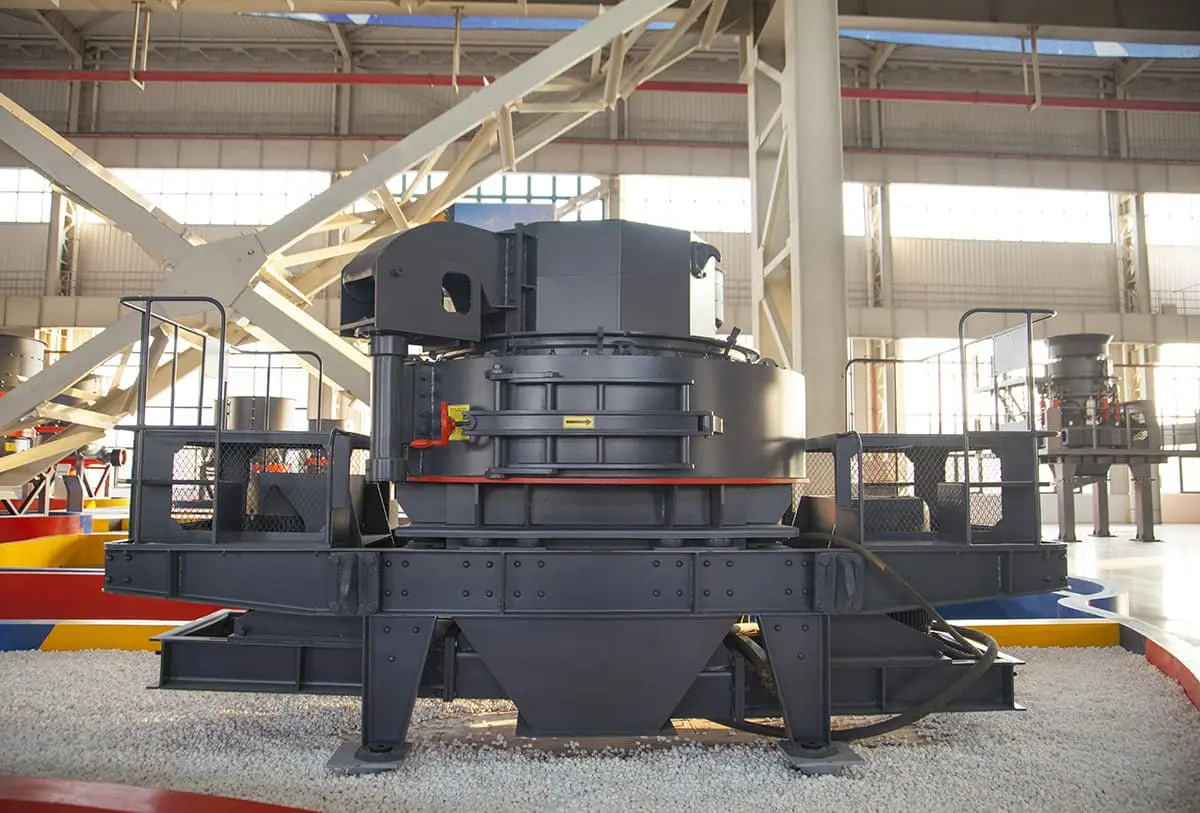
- Kaakbrekers Regeer hier: So eenvoudig “chomp” beweging hanteer onreëlmatige stukke beter as enigiets anders. Voergrootte? Ons het gesien hoe kake 60-duim monsters afneem tot 6-duim minus. Sleutel is mangaankaakchemie - moenie goedkoop uit nie. Verwag om voerings elke keer te ruil 6-12 maande in harde graniet.
- Giratory Breker Opsie: Maak net sin vir massiewe primêre deurset (dink 5,000+ tph). Vooraf duur, maar laer koste per ton op skaal. Onderhoudskompleksiteit skrik kleiner ops af.
Tafel 1: Die keuse van jou primêre wapen (Graniet)
| Breker tipe | Wanneer dit sin maak | Voergrootte werklikheid | Uitset wat jy kry | Operasionele Waarhede |
|---|---|---|---|---|
| Kaakbreker | 80% van graniet verwerkte plante | Tot 1,5 m klonterige voer | 150-250mm | “Werkesel” – eenvoudiger onderhoud, hanteer vullis |
| Gyratory | Mega-steengroewe (5000+ tph) | Dieselfde as kakebeen | 150-200mm | Hoër kapasiteit, maar herbouings sluit jou vir dae lank |
Sekondêre/tersiêre verplettering: Vorm die wins
Primêre uitset is steeds nuttelose puin. Nou vorm en grootte ons dit:
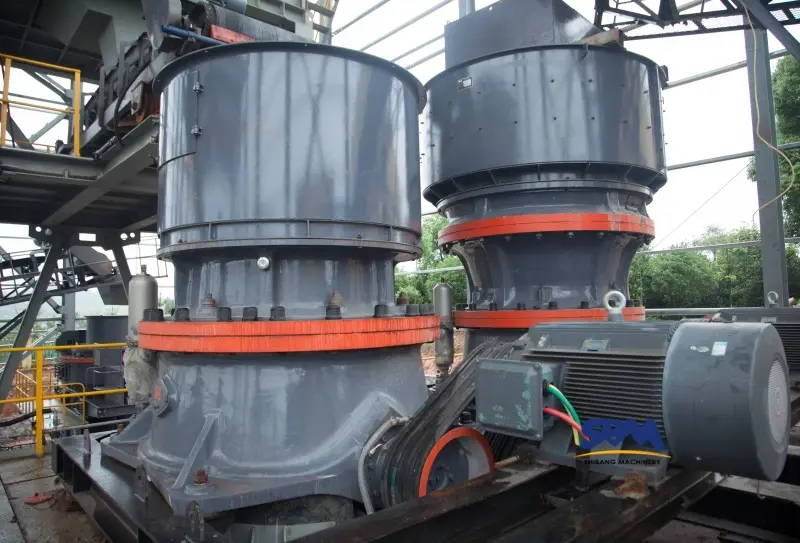
- Kegelbrekers: Ononderhandelbaar hier. Daardie mantel/konkawe aksie verpletter graniet verskeie kere op pad af. Wil kubiese aggregaat vir premium pryse hê? Cone CSS-instellings is jou goue knop. Vir die wenk: Hardloop effens wyer CSS as wat jy dink - beter deurset en minder hersirkulasie as om die laaste te jaag 5% spesifikasie.
- Tersiêre Stadium Werklikheid: Slegs nodig as spaanderseël of ultrafyn voer vir maal gemaak word. HPGR's kry traksie hier - laer energie, minder stof, maar sensitief vir voervariasie. Skerm tussen fases godsdienstig; hersirkulasie van boetes maak keëldoeltreffendheid dood.
Skermbepaling: Die Unsung Winssentrum
Skerms maak of breek jou gradasie-spesifikasies. In graniet verwerkte plant:
- Geneig Vibrerende skerms: Enigste regte keuse vir primêre/sekondêre stroombane. Dektelling hang af van produkverdelings wat benodig word. Maas verblinding? Gewaarborg met nat graniet. Gebruik poliuretaan- of rubbermatte op die boonste dekke.Werklike operateur greep: “Onderhoud smeer nooit die vibrators nie!”
- Skulpering: Doen dit vroeg. Om fynstowwe te trek voor primêre drukwerk verminder slytasie en verhoog kakebeenkapasiteit 10-15%. Eenvoudige grizzly-skerms betaal hulself vinnig.
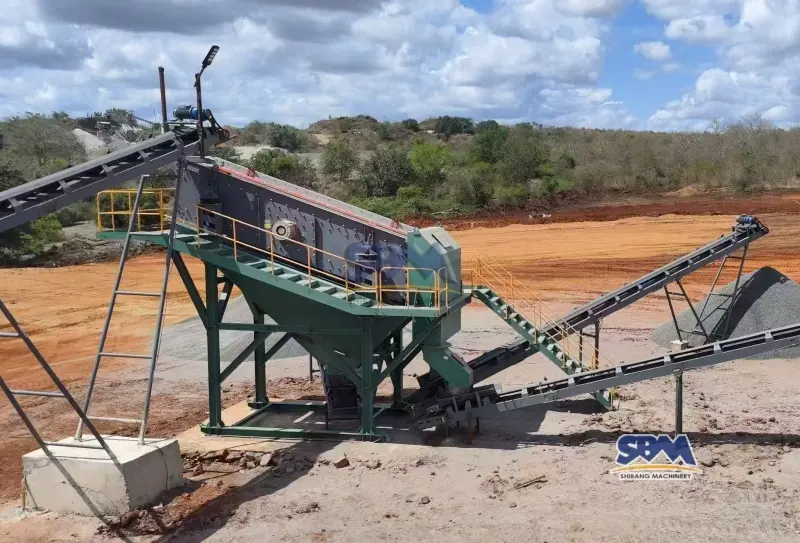
Vervoer van graniet: Geen ruimte vir swak skakels nie
Skuurbande faal skouspelagtig. Sleutel leerstellings:
- Voerders: Voorskootvoerders vir primêre ontlading – hulle skud die impak wat gordels verniel af. Vibrerende panvoerders werk goed vir gesifte breuke.
- Transportbande: Minimum 3-laag gordels, 25mm boblaaie. Impakbeddens by laaipunte is nie opsioneel nie – dit is versekering. Stof? Bevat dit by oordragpunte of staar skoonmaakkoste in die gesig wat die sakhuisbelegging verdwerg.
Maal graniet: Waar doeltreffendheid saak maak
Om graniet in poeier te verander, verbrand kontant as jy dit verkeerd verstaan. Werklikheidskontrole:
- VRM'e Oorheers: Vertikale rollermeulens is die enigste sinvolle keuse vir ernstige granietpoeierproduksie. Hoekom? Daardie rol-op-tafel-aksie verpletter doeltreffend terwyl warm lug droog word. Energiebesparing vs balmeulens? 30-40% is nie ongewoon nie.Grinder se maxim: “Jou kWh/ton besluit of jy steak of ramen eet.”
- Ball Mills? Net as jy een erf of baie grof maal. Berei voor vir voering veranderinge elke 3 maande en energierekeninge wat seermaak.
Tafel 2: Graniet Slyp – Tegnologie-afwykings
| Meul tipe | Beste pas | Fynheid teiken | Operator Aansig | Koste werklikheid |
|---|---|---|---|---|
| VRM | 90% van nuwe graniet verwerkte aanlegte | 10-100 mikron | “Die capex werd – red my OPEX daagliks” | Hoër aanvanklike koste, laer loop |
| Balmeule | Erfenis plante, growwe maal | 45-200 mikron | “Konstante liner gevegte, kragvark” | Laer kapitaal, brutale bedryfskoste |
| Raymond | Nisvulmarkte | 45-180 mikron | “Goed vir klein tonnemaat, verstop as voer verskil” | Bekostigbaar maar beperk |
Klassifikasie: Druk die nommer
Maalgrootte-spesifikasies is kontrakte. Mis hulle, kliënte verloor.
- VRM Geïntegreerde Klassifiseerders: Die elegante oplossing. Pas rotorspoed aan, verander fynheid onmiddellik. Hou net laers onderhou - 'n klassifiseerder wat beslag gelê het, stop die hele plant.
- Eksterne lugskeiers: Nodig met balmeulens. Meer bewegende dele, meer stofpunte. Doeltreffendheid daal as waaierblaaie oneweredig dra.Waarskuwing vir laboratoriumtegnologie: “Proef elke skof. Klassifiseerder dryf sluip.”
Stofbeheer: Dit gaan oor oorlewing
Granietsilikastof is nie 'n oorlas nie - dit is 'n dodelike gevaar en 'n reguleerder se droomaanhaling. Nie-onderhandelbaar:
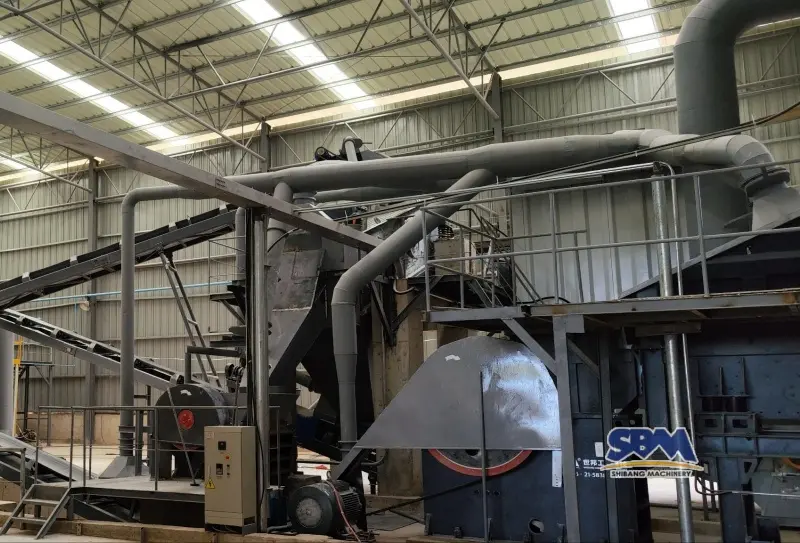
- Sakhuise: Pulse-jet ontwerp. Grootte ruim – ondermaat filters blaas deur of blind voortdurend. Filter media? PTFE-membraan vir graniet. Duur, maar hou.
- Omhulselfilosofie: Verseël elke oordragpunt. Kap breker ontlaai. Laat negatiewe druk in slyp geboue werk.Veiligheidsbestuurder se mantra: “As jy stof sien ontsnap, die stelsel het ure gelede misluk.”
Produkhantering: Moenie verloor wat jy gemaak het nie
Granietpoeier vloei soos beton as dit swak hanteer word:
- Pneumatiese vervoer: Gebruik digte fase stelsels. Sagte hantering voorkom partikelafbraak. Lugslotte moet robuust wees – graniet dra vinnig draaikleppe.
- Silo's: Massavloei-ontwerp verpligtend. Kegelhoeke >70 grade. Fluidiseringsblokkies voorkom oorbrugging. Vlak aanwysers? Radar, nie meganiese probes nie.Berging gruwelverhaal: “Een verstopte silo het ons gekos 3 dae van produksie. Nooit weer nie.”
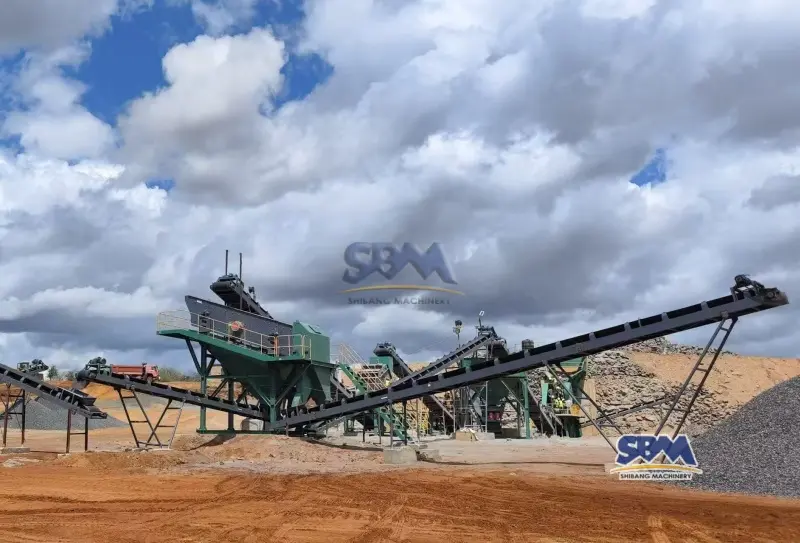
Graniet verwerkte plantontwerp: Wat het jy nodig?
Jou eindproduk dikteer die hele vloei:
- Aggregates Fokus: Verpletter hard, skerm styf. Kaak -> Kegel -> Tersiêre Kegel/HPGR. Vorm maak meer saak as ultra-fyn. Minimaliseer maal stadiums.
- Vulpoeierfokus: Verpletter net genoeg om VRM te voed. Maal fyn, presies klassifiseer. Stofbeheer is jou grootste bedryfskoste na krag.
- Herwinning van plaatafval: Kleiner brekers is voldoende. Verwyder metaalbesoedeling aggressief voor maal. Vogbeheer is krities.
Optimalisering: Die werklike werk begin by ingebruikneming
Jou plantontwerp is net 'n beginpunt. Deurlopende aanpassings dryf wins:
- Volg meedoënloos: kWh/ton per stadium, voeringslytasiekoerse (mm/week), skerm doeltreffendheid (% ondermaat verbypad), stofvrystellings. Logboek alles.
- Verpletterende Wenk: Maak sekondêre keël CSS effens oop as tersiêre stadium volg. Meer deurset, dieselfde finale spesifikasie.
- Slyp Hack: Monitor VRM-maaldrukneiging. Stadige afname beteken rol-/tafelslytasie – beplan omruilings voordat fynheid dder ly.
- Onderhoudsritme: Skeduleer voeringsruilings tydens voorspelde laevraagperiodes. Voorraad kritieke onderdele – breker mantels, VRM rollers. Stilstand is diefstal.
Veiligheid: Die enigste maatstaf wat wins maak
Graniet verwerkte plant is gevaarsones. Kultuur klop nakomingshandleidings:
- LOTO-oortreding = Onmiddellike ontslag. Geen waarskuwings nie. Ooit.
- Silika Blootstelling: Intydse monitors by werkstasies. Respirators verpligtend naby brekers/meulens. Mediese toesig jaarliks.
- Veiligheid van vervoerbande: Bewaak elke knyppunt. Installeer noodstopkoorde elke 6 meter.Ouhand se raad: “Gestel elke masjien wil jou doodmaak. Jy sal skerp bly.”
Vennootskap Reg: Masjinerie wat hou
Graniet spoeg goedkoop toerusting uit. Bewese kunstenaars maak saak:
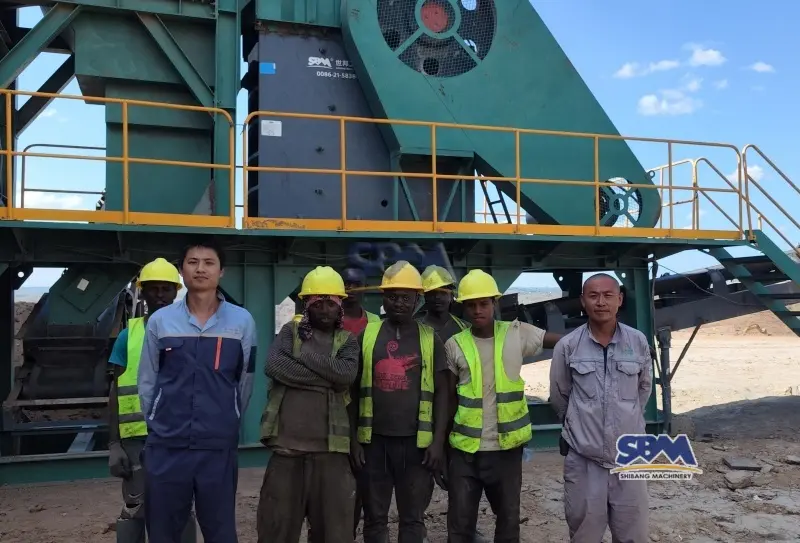
- SBM China Brekers: Dikker mangaan, swaarder rame. Hul kegelbrekers hanteer boefmetaal beter as die meeste.
- SBM VRMs: Ontwerp vir skuurmiddels. Roller/tafels laaste 20-30% langer in graniet vs generiese meule. Die robuustheid van die hidrouliese stelsel maak saak wanneer 7-Mohs-rots gemaal word.
- Volle plant DNA: Kies vennote wat dieinteraksies – hoe die breker-afvoer die skerm voed, hoe vervoerbandsnelhede ooreenstem met VRM-toevoertempo's. Integrasie voorkom knelpunte.
Proseskennis = Wins
Hoe is graniet verwerk skei winsgewende operateurs van bankrot operateurs. Dit gaan nie oor die koop van die grootste breker of fynste meule nie. Dit gaan oor:
- Pas toerusting by jou spesifieke granietveranderlikheid
- Ontwerp vloei wat herhantering en energievermorsing tot die minimum beperk
- Volg slytasie- en doeltreffendheidstatistieke meedoënloos
- Bou 'n veiligheidskultuur wat nagskofte oorleef
Werk saam met ingenieurs wat graniet beveg het en gewen het. Die verskil wys op jou onderste lyn en jou onderhoud logs. Gereed om 'n plant te bou wat hou? Kom ons word gretig.