Correo electrónico: [email protected]

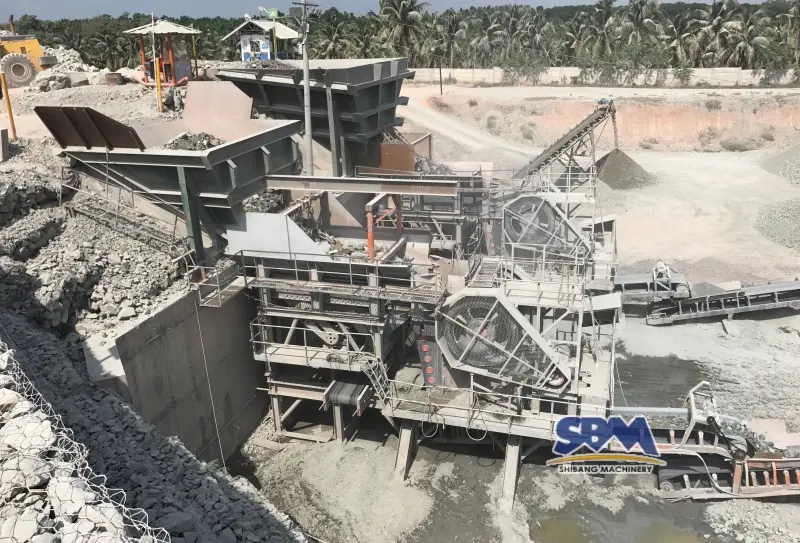
La trituración de granito no es un proceso único para todos. La planta adecuada para la base de la carretera no siempre es la mejor opción para el balasto ferroviario, agregados de concreto, asfalto, o arena manufacturada. Es por eso que muchos compradores buscan soluciones de trituración de granito en lugar de una sola máquina.: necesitan un sistema completo que coincida con su producto final, demanda del mercado, y condiciones de funcionamiento. Esta guía explica cómo combinar el equipo de trituración de granito y el diseño de la planta con diferentes aplicaciones., para que pueda elegir una solución que produzca el tamaño correcto, forma, y calidad para su mercado objetivo.
Por qué la trituración de granito necesita un diseño específico para la aplicación?
El granito es duro., abrasivo, y duradero, lo que la convierte en una excelente materia prima para muchos productos de construcción. Pero la forma de triturarlo debe depender del uso final..
Por ejemplo:
- una planta para base de la carretera puede priorizar la capacidad y el costo por tonelada.
- una planta para agregados para carreteras debe centrarse en la forma y la gradación.
- una planta para lastre de ferrocarril necesita fuerte, angular, piedra baja en finos.
- una planta para hormigón o asfalto puede necesitar más forma y un control de calidad más estricto.
- una planta para arena manufacturada necesita una etapa dedicada a la producción de arena y al cribado.
Es por eso que los proyectos exitosos de trituración de granito comienzan desde elsolicitud, no sólo del catálogo de equipos.
Trituración de granito para base y subbase de carretera
La base de la carretera es uno de los usos más comunes de los productos trituradores de granito.. En esta aplicación, la atención se centra generalmente en el volumen, durabilidad, y gradación estable.
Configuración típica de una planta
- alimentador vibratorio.
- trituradora de mandibula pe como trituración primaria.
- Trituradora de cono como trituración secundaria.
- Criba vibratoria para clasificación final.
lo que mas importa?
- Rendimiento estable.
- Distribución de tamaño bien controlada.
- Suficiente fuerza para soportar capas de tráfico pesado..
- Menor costo operativo por tonelada.
Para base de carretera, la planta no siempre necesita una forma agresiva. Una mandíbula práctica + cono + La configuración de la pantalla suele ser la solución más eficiente..
Contenido relacionado:
Trituración de granito para agregados de carreteras
Los proyectos de carreteras y autopistas son más exigentes que los trabajos básicos de base de carreteras.. Necesitan un mayor control sobre la forma de las partículas., multas, y consistencia.
Configuración típica de una planta
- trituradora de mandibula pe.
- Trituradora de cono.
- Pantalla vibratoria.
- VSI o trituradora de impacto opcional para dar forma a fracciones seleccionadas.
lo que mas importa?
- Partículas cúbicas o angulares..
- Baja descamación.
- Clasificación estable.
- Polvo y finos controlados.
Si su planta trituradora de granito está dirigida a proyectos de carreteras, deberías pensar más allá de la capacidad. Una producción ligeramente menor con mejor calidad puede venderse a un precio más alto y satisfacer especificaciones de proyecto más estrictas..
Trituración de granito para lastre de ferrocarril
El lastre ferroviario es un mercado especial. Requiere grueso, durable, piedra angular que puede unirse y al mismo tiempo permitir el drenaje.
Configuración típica de una planta
- Trituradora de mandíbulas para reducción primaria..
- Trituradora de cono para reducción secundaria.
- Criba resistente con retorno de gran tamaño.
- Separación estricta de finos y productos del tamaño de lastre..
lo que mas importa?
- Partículas fuertes con rotura mínima..
- Bajo contenido de multas.
- Clasificación gruesa estable.
- Almacenes limpios y manipulación cuidadosa.
En trituración de granito para lastre., La trituración excesiva es un riesgo importante.. La planta debe ajustarse para proteger la forma y evitar crear demasiado material pequeño..
Trituración de granito para agregados de hormigón
Los productores de concreto a menudo desean una mezcla equilibrada de agregados gruesos y finos con una gradación confiable y buena calidad de partículas..
Configuración típica de una planta
- Rompe mandíbulas.
- Trituradora de cono.
- Sistema de cribado.
- Etapa de conformación opcional si se necesita agregado de concreto de mayor calidad.
lo que mas importa?
- Fracciones de tamaño consistente.
- Contenido de multas controlado.
- Fuerte interbloqueo y durabilidad..
- Suministro confiable para plantas dosificadoras.
Para aplicaciones concretas, Los sistemas de trituración de granito deben diseñarse para soportar múltiples tamaños de agregados., como 0-5 mm, 5–10 milímetros, 10–20 milímetros, y 20-31,5 mm, dependiendo de los requisitos del mercado local.
Trituración de granito para asfalto y capas superficiales
Los proyectos de asfalto se preocupan mucho por la forma de las partículas., textura de la superficie, y gradación. El granito es un material excelente aquí si se procesa adecuadamente..
Configuración típica de una planta
- Rompe mandíbulas.
- Trituradora de cono.
- Pantalla.
- VSI o trituradora de impacto para dar forma a fracciones críticas.
lo que mas importa?
- Alta calidad, partículas cúbicas.
- Buena adherencia con betún..
- Polvo controlado y equilibrio fino..
- Consistencia estable del producto en el tiempo.
Si el agregado de granito está demasiado escamoso o demasiado polvoriento, El rendimiento del asfalto puede verse afectado.. Es por eso que muchas líneas de trituración de granito enfocadas en asfalto incluyen una etapa de conformado..
Trituración de granito para arena manufacturada
Cuando el mercado necesita arena, La trituración de granito se puede ampliar a la producción de arena fabricada..
Configuración típica de una planta
- Rompe mandíbulas.
- Trituradora de cono.
- fabricante de arena VSI.
- Cribado y lavado opcional.
lo que mas importa?
- Control del tamaño de partículas.
- Forma y textura de la superficie..
- Gestión fina de contenidos.
- Graduación estable para uso en concreto y asfalto..
Esta aplicación se diferencia de la producción de agregado grueso porque el valor depende no sólo de la resistencia, sino también sobre ingeniería de partículas.
Cómo elegir la solución de trituración de granito adecuada?
Para seleccionar la planta adecuada, empieza con estas preguntas:
- cual es el producto final?
- Base de la carretera.
- Lastre de ferrocarril.
- Agregados de hormigón.
- Agregados asfálticos.
- Arena fabricada.
- ¿Qué capacidad necesitas??
- Pequeña cantera.
- Planta mediana.
- Gran operación de agregados comerciales.
- ¿Qué importancia tiene la forma de las partículas??
- Grado de construcción básica.
- Calidad premium para carretera o asfalto.
- Especificaciones estrictas sobre rieles o concreto.
- ¿Necesitas una solución fija o móvil??
- Cantera a largo plazo.
- Proyecto temporal.
- Contratista multisitio.
- ¿Qué es más importante??
- Costo inicial más bajo.
- Costo operativo más bajo.
- El valor más alto del producto.
Las respuestas a estas preguntas definen la configuración correcta de trituración de granito mejor que cualquier tabla modelo genérica..
Combinaciones de plantas trituradoras de granito por aplicación
| Solicitud | Configuración recomendada de trituración de granito | Prioridad principal |
|---|---|---|
| Base de la carretera | Mandíbula + cono + pantalla | Capacidad y rentabilidad |
| Agregados para carreteras | Mandíbula + cono + pantalla + modelado opcional | Forma y clasificación |
| Lastre de ferrocarril | Mandíbula + cono + cribado pesado | Angularidad y multas bajas. |
| Agregados de hormigón | Mandíbula + cono + pantalla, modelado opcional | Fracciones estables de calidad y tamaño. |
| Agregados asfálticos | Mandíbula + cono + TODOS / impacto + pantalla | Forma cúbica y adherencia. |
| Arena fabricada | Mandíbula + cono + TODOS + lavado | Calidad y gradación de la arena. |
Esta tabla puede ayudarle a identificar rápidamente qué solución de trituración de granito se adapta a su proyecto..
Preguntas frecuentes sobre las soluciones de trituración de granito
1. ¿Es una planta trituradora de granito adecuada para cada aplicación??
normalmente no. Una planta diseñada para base de carreteras puede no producir la forma de partículas necesaria para el asfalto o el balasto de ferrocarril.. La mejor solución de trituración de granito depende del producto final y de los requisitos de calidad..
2. ¿Qué trituradora es mejor para la trituración general de granito??
Para la mayoría de los proyectos de granito duro, una trituradora de mandíbulas de PE como máquina principal y una trituradora de cono como máquina secundaria es el punto de partida más práctico. De eso, La planta se puede ajustar con cribas o equipos de conformación según el uso final..
3. ¿Puede una planta trituradora de granito producir agregados y arena??
Sí. Muchas plantas están diseñadas para producir agregados gruesos y arena manufacturada al mismo tiempo.. Esto generalmente requiere una trituradora de cono., sistema de cribado, y una VSI o unidad de producción de arena para manejar la fracción fina..
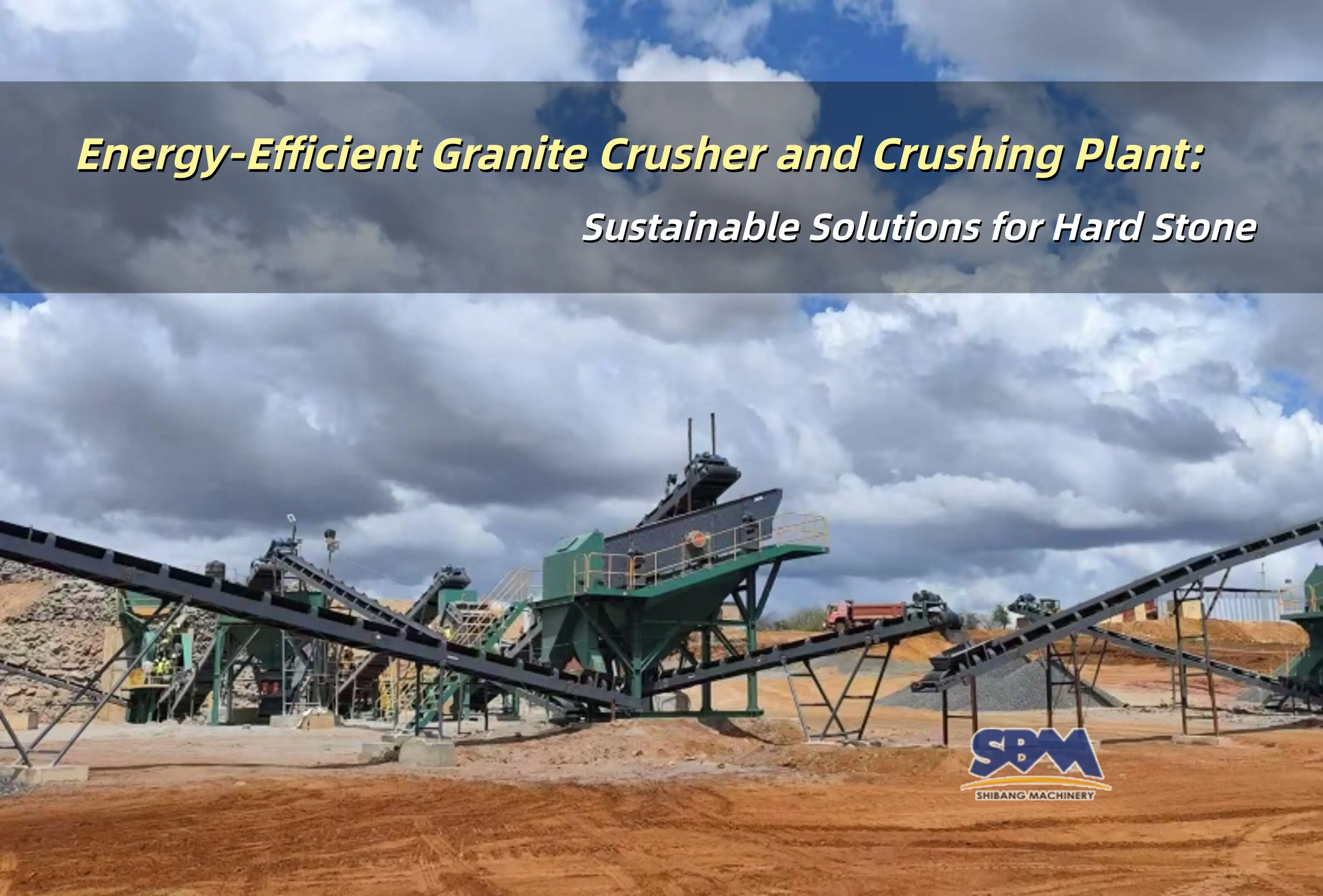
Trituradora energéticamente eficiente