อีเมล: [email protected]

ลองนึกภาพไม่มีเหล็ก. ไม่มีตึกสูง, ไม่มีสะพาน, ไม่มีเรือบรรทุกสินค้า, ไม่มีโรงงานทำงาน – โลกสมัยใหม่หยุดนิ่ง. ทุกอย่างเริ่มต้นจากใต้ดินด้วยหินที่ดูเรียบง่าย: แร่เหล็ก. นี่ไม่ใช่ “แค่แร่ธาตุ”; มันเป็นหัวใจของอุตสาหกรรม. Working directly with the machines that release its value gives you deep respect for iron ore’s path. From seeing its special iron ore color in rough fields, to hearing a crusher break big rocks into smaller pieces – it’s a tough, detailed process. Whether you’re exploring how to find iron ore, working in iron ore mining, or wondering what iron ore is used for, this guide explains clearly. We’ll cover the 4 types of iron ore, show the best place for iron ore worldwide, and explain why the right crushing tech is vital. มาขุดกัน!
What Exactly is Iron Ore? Busting the Rock Myth
ตกลง, the basic definition: แร่เหล็ก is rock or dirt with enough iron minerals to make mining it worthwhile. But in reality? It’s complicated. ของมันnever pure iron. You have valuable minerals likeออกไซด์ หรือแมกนีไทต์ mixed with worthless waste rock – quartz, ดินเหนียว, และอีกมากมาย. ที่สำคัญ? Iron content. While iron exists everywhere in the ground, we only call it “แร่” when it’s concentrated enough (โดยปกติ 20% to as high as 70% เหล็ก) to make the huge effort of digging it up pay off. The minerals present are your guide – they decide theiron ore color you see, if a magnet attracts it, และที่สำคัญที่สุด, ยังไง you turn it into something useful.
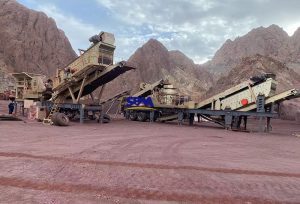
That first tough step? บดขยี้. Hard rock like this needs powerful machines. I’ve seen weaker crushers fail under the constant wear from quartz-heavy Banded Iron rocks. That’s why strong designs, ชอบriver pebble crushers จากเอสบีเอ็ม จีน – made to handle tough, abrasive material easily – are essential partners at many mines. และwhat is iron ore used for? Almost all of it goes to make steel – the framework for everything we build and use. Blast furnaces need it. That’s what powers this entire massive industry.
The Rainbow Beneath Our Feet: Iron Ore Color – Your Field Guide
Forget fancy labs for a first glance. เดอะiron ore color is your prospector’s first clue, screaming the mineral’s identity. It’s not just pretty; it’s practical intel on quality and how much work lies ahead:
- Deep Red to Rusty Brown: You’ve likely foundเฮมาไทต์ (เฟ₂O₃). นี่คือม้าทำงาน, the most common and economically crucialแร่เหล็ก globally. That rusty rediron ore color? Blame oxidized iron – nature’s own rust job. Think of the vast, Martian-red landscapes of Australia’s Pilbara – pure hematite country. Get ready for hard, dense rock.
- Jet Black to Dark Gray: Say hello toแมกนีไทต์ (เฟ₃O₄). Its party trick? Strong magnetism. That dense, blackiron ore color is a dead giveaway. It often packs a higher iron punch than hematitein theory, but liberating it from its rock prison can be energy-intensive. Finding this feels like striking gold (ดี, iron-gold) to an exploration geologist.
- Yellowish-Brown to Dull Brown: Likely looking atลิโมไนต์ หรือ “bog iron ore” (เฟ2O(โอ้)nH₂O). นี้iron ore color shouts “การผุกร่อน!” – it’s hydrated and usually found lounging near the surface. Iron content? Modest. Historically important (think colonial America), but less of a global player today.
- Steely Gray to Dark Reddish-Brown: Could beจ้องมอง (FeCO₃). Itsiron ore color is less flamboyant, often a bit nondescript. It’s an iron carbonate, meaning lower iron content and a mandatory roasting step (calcination) before smelting – extra cost, extra hassle. Not the preferred guest at the smelter party.
โต๊ะ 1: Iron Ore Types – The Color, The Grit, The Reality
| Ore Type | Looks Like… (Iron Ore Color) | เฉลี่ย. Fe Punch | Key Personality Traits | Where You’ll Find It | The Processing Grind |
|---|---|---|---|---|---|
| เฮมาไทต์ | Deep Red, Rusty Warrior | 50-70% | ยาก, หนาแน่น, Ignores Magnets | Giant BIFs, Sedimentary Layers | บดขยี้อย่างหนัก, บด, แยก (gravity/flotation is key) |
| แมกนีไทต์ | Jet Black Magnetic Marvel | 60-72% | Sticks to Magnets!, Very Dense | BIFs, Igneous Intrusions | บดขยี้อย่างหนัก, grind fine, magnetic separation shines |
| ลิโมไนต์ | Yellow-Brown Weathered One | 35-50% | Soft-ish, Hydrated, Near Surface | Gossans, Old Surface Deposits | Dry it, roast it (calcine), แล้ว smelt |
| จ้องมอง | Gray/Brown Carbonate | 30-40% | Fizzes in Acid, Lower Grade | Sedimentary Beds, Veins | Must roast it first (drive off CO₂), then smelt |
Learning theseiron ore color signatures is fundamental fieldwork. Spotting that tell-tale red or feeling the pull of black sand with your pocket magnet? That’s the thrill of knowinghow to find iron ore.
Striking Paydirt: How to Find Iron Ore – The Explorer’s Playbook
Want to knowhow to find iron ore? It’s not panning for gold. It’s a high-stakes blend of old-school geology, cutting-edge tech, and gut instinct honed by muddy boots. Here’s the field manual:
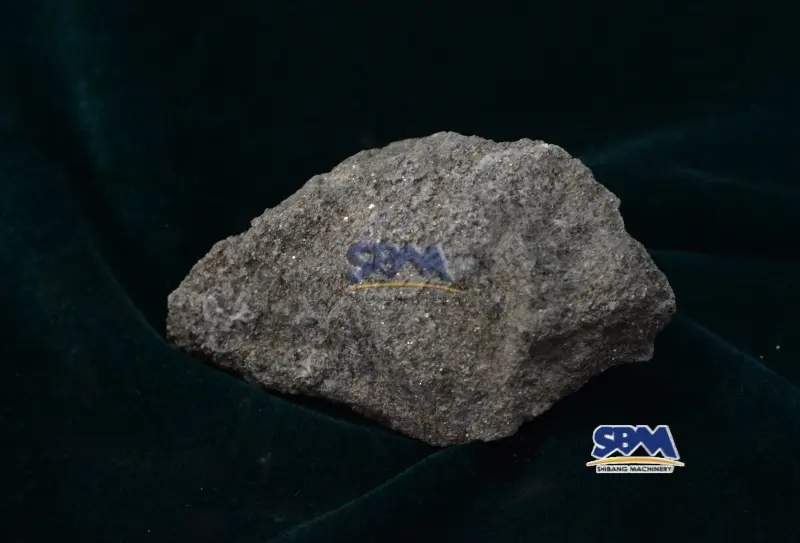
Geology is Gospel
Start with the map, always.แร่เหล็ก loves specific neighborhoods:
- Banded Iron Formations (BIFs): Ancient (we’re talkingbillions of years), layered rocks holding the motherlode of high-gradeออกไซด์ และแมกนีไทต์. Target the ancient cores of continents – think Canadian Shield, Aussie Pilbara craton, Brazilian cratons. Spotting the distinctive banding andiron ore color is step one.
- Magmatic Hideouts: แมกนีไทต์ crystallizes straight from cooling magma. Look for big, deep-seated intrusive bodies – the kind that form mountain roots.
- Sedimentary Basins: Home to ooliticออกไซด์ (tiny round grains) และsiderite layers. Find the right ancient sea basin.
- Rusty Clues (Supergene): Weathering near the surface can concentrate iron. It transforms lower-grade BIF into richออกไซด์ “caps” or formslimonite gossans – those rusty, iron-stained outcrops. Seeing that vividiron ore color staining a hillside? That’s nature’s neon sign screaming “Look here!” – a prospector’s classichow to find iron ore moment.
Eyes in the Sky & Tech on the Ground
- Satellite & Drones: Zoom out. Map large-scale rock types, structures, and subtle shifts in vegetation oriron ore color that hint at buried treasure.
- Magnetic Surveys: The go-to forแมกนีไทต์. Fly a magnetometer over the land or walk it on the ground. That strong magnetic pull? Like a homing beacon for black ore. Makes magnetite deposits relatively “easier” to locate.
- Gravity Surveys: Sense the heft. มโหฬารออกไซด์ หรือแมกนีไทต์ bodies are dense. Gravity meters detect this extra weight, pinpointing targets.
Follow the Geochemical Trail
Collect soil, rock chips, stream sediments. Lab analysis hunts for elevated iron levels and associated elements. It’s detective work, finding anomalies that whisper, “Dig deeper here.”
Get Muddy: Real Fieldwork
Technology helps, but nothing beats being on the ground. Geologists walk across the land, carefully examining rock formations, loose stones, และดิน. They carry hammers, magnifying glasses, และที่สำคัญที่สุด, a pocket magnet. Noticing the iron ore color, testing the rock’s weight, seeing striped patterns, feeling the pull of แมกนีไทต์ with a magnet, or spotting rusty surface stains – this is the real skill of finding ore. Discovering loose rocks with the right color and weight can lead directly back to the main ore deposit.
การขุดเจาะ: The Moment of Truth
All the mapping, aerial surveys, and fieldwork lead to this final step. Diamond core drilling or RC drilling digs into the ground. This costs a lot, but it’s theonly sure way to answer critical questions: Is iron ore actually present? How deep is it? How good is the quality (ระดับ)? อะไรtypes of iron ore exist there? The drilled samples don’t lie – they reveal whether you’ve found a worthwhile ore body or just scientifically interesting rocks.
From Rock to Ready: Iron Ore Mining – Moving Mountains
Found a viable deposit? Now the real muscle work begins: iron ore mining. Extraction is a colossal engineering feat, dictated by the deposit’s personality – size, รูปร่าง, ความลึก, ระดับ, and the surrounding rock.
Open-Pit Mining (King of Scale)
Dominates the scene for vast, near-surface deposits, especially those BIF giants.
- The Gig: Imagine sculpting a mountain into a terraced pit. Massive shovels (some scooping 100+ ตันper bite) and haul trucks the size of houses strip away overburden (waste rock). Exposed ore gets drilled, blasted into manageable chunks, and hauled away. The scale is mind-boggling – Pilbara mines move more earth daily than some small countries.
- Why it Rules: ปริมาณมาก, ต้นทุนต่อตันที่ต่ำกว่า (compared to underground), relatively safer. Perfect for large, shallow, tabular deposits. คุณดู ที่iron ore color layers exposed in the pit walls.
Underground Mining (When the Ore Goes Deep)
Used when the prize is buried too far down, steeply dipping, or surface mining is off-limits (under a town, protected area).
- How it’s Done: It’s complex and capital-intensive. Common methods:
- Block Caving: Undercut a massive ore block and let gravity do the heavy lifting as it collapses. Ore is drawn from tunnels below. Used for deep, massive orebodies.
- Sub-level Caving: Similar idea, but breaking the ore into smaller, managed blocks within defined levels.
- Room and Pillar: Carve out “rooms” of ore, leaving sturdy “เสา” to hold up the roof. Common for flatter-lying deposits closer to surface.
- The Reality: แพง. Requires sinking shafts, driving kilometers of tunnels, complex ventilation, and rigorous safety protocols. It’s a different world down there.
Beneficiation: Where the Magic (and Machinery) เกิดขึ้น
Freshly mined ore (Run-of-Mine or ROM) is usuallyไม่ blast furnace ready. It’s a mixed bag of valuable iron and worthless gangue, often at lower grades than needed. Beneficiation is the upgrade path:
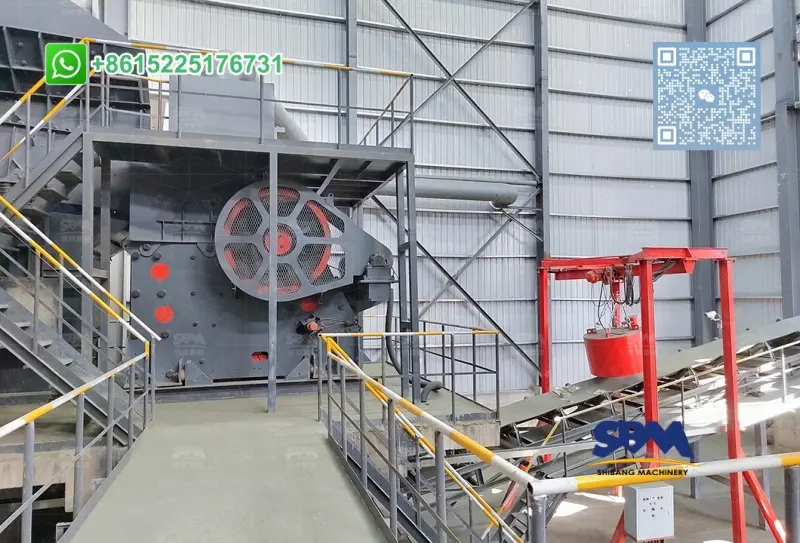
- บดขยี้ & การคัดกรอง: The Gatekeepers: ROM ore is big and chunky. This is where the heavy metal meets the road. เครื่องบดหลัก (think giant jaw crushers or rugged gyratories) deliver the first, powerful bite. เครื่องบดย่อยและตติยภูมิ (บ่อยครั้ง กรวยบด or high-pressure grind rolls) take it down further. Screens sort the rubble by size.This stage is brutal. The sheer hardness and abrasiveness ofแร่เหล็ก, especially quartz in BIFs, devours poorly built equipment. You need crushers designed for punishment – the kind of ultra-durable, high-throughputriver pebble crushers และ เครื่องบดอัด engineered by SBM China. They’re built to handle the constant assault of hard, หินขัด, minimizing costly downtime. Getting the crushing right sets up everything that follows.
- การบด: Takes crushed ore down to sand or finer, liberating iron minerals from the clinging gangue. Energy-hungry but essential.
- แยก – Sorting the Wheat from the Chaff:
- การแยกแม่เหล็ก: The superstar forแมกนีไทต์. Powerful magnets (drum or roll types) effortlessly yank the magnetic mineral away from the non-magnetic waste. Elegant and efficient.
- การแยกแรงโน้มถ่วง: Uses density differences. Spirals, จิ๊ก, or shaking tables let heavier iron minerals sink away from lighter gangue. A workhorse forออกไซด์.
- การลอยอยู่ในน้ำ: Adds chemistry. Chemicals make specific minerals repel water (ไม่ชอบน้ำ) so they stick to air bubbles and float off. Used for trickier ores or finer particles.
- The Payoff: High-grade iron ore concentrate (60-68% Fe for hematite, บ่อยครั้ง 65-72% for magnetite) ready for the furnace. The leftover waste? หางแร่, stored safely in engineered dams. It’s a process of mass reduction – turning mountains of rock into concentrated value.
The Big Four: Meet the Iron Ore Heavyweights
Lots of iron minerals exist, but only fourtypes of iron ore dominate the commercial stage. การรู้สิ่งเหล่านี้4 types of iron ore is key to understanding the market and the processing grind:
เฮมาไทต์ (เฟ₂O₃): The Reigning Champion
- The Stakes: The undisputed king of globalแร่เหล็ก ปริมาณ. Found in epic BIFs and enriched deposits.
- Personality: Deep rediron ore color (powder it, it’s like rust), non-magnetic, tough as nails. โดยทั่วไป 50-70% เฟ. Pilbara red is its signature.
- Mining Reality: Almost exclusively massive open-pit operations. ออสเตรเลีย, บราซิล, อินเดีย, South Africa are powerhouses.
- Processing Grind: Demands crushing, การคัดกรอง, บด, and separation (gravity is king, flotation helps). Ignores magnets. ความกระด้างนั้น? It means crushers and mills take a beating. มีประสิทธิภาพ, wear-resistant crushing upfront (like SBM’s heavy-duty designs) is critical to keep costs down and throughput up. คุณfeel the energy consumed grinding this stuff.
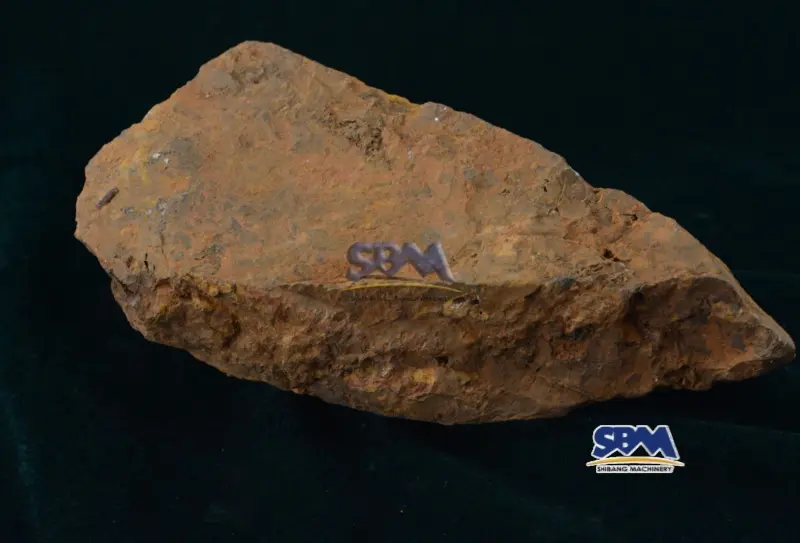
แมกนีไทต์ (เฟ₃O₄): The Magnetic Powerhouse
- The Stakes: Valued for its highศักยภาพ iron content and magnetic personality. Found in BIFs and magmatic deposits.
- Personality: Black/dark grayiron ore color, incredibly dense, และsticks fiercely to magnets. Theoretical Fe content is tops (72.4%), actual concentrate is superb (บ่อยครั้ง >68% เฟ).
- Mining Reality: Open-pit or underground, depending on depth. ออสเตรเลีย, Sweden, รัสเซีย, สหรัฐอเมริกา, Canada have significant plays.
- Processing Grind: Magnetite’s big advantage is magnetic separation – it works very well to pull pure magnetite away from waste rock after crushing and grinding. But magnetite particles are usually very small and tightly stuck, needing heavy grinding to free them. This causes huge energy use during grinding, which is a major cost. The crushing stage still requires handling extremely hard rock. Strong primary crushers that can process large amounts smoothly (like SBM’s specialized equipment) are crucial for feeding those โรงบด cost-effectively. มันเป็นความสมดุล: you get high-quality concentrate, but it demands high energy.
ลิโมไนต์ (Hydrated): The Weathered Relative
- The Stakes: Formed by surface weathering, historically important (“bog iron”), but minor league globally today.
- Personality: Yellowish-browniron ore color, softer, earthy feel. Iron content is lower (35-50% เฟ) and includes water locked in its structure.
- Mining Reality: Usually small-scale, near-surface open pits. More of a historical footnote in Europe/US than a major current player.
- Processing Grind: Needs drying and intense heating (calcination) to drive off the waterก่อน ถลุง. Adds significant cost and complexity. Often used locally if available, rarely worth long-distance haul.
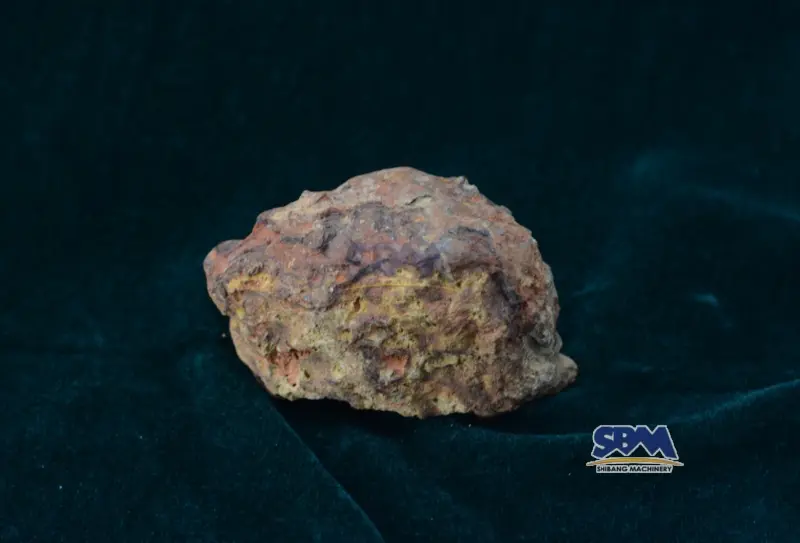
จ้องมอง (FeCO₃): The Carbonate Challenge
- The Stakes: An iron carbonate. Historically mined in places like the UK, but economically tricky now.
- Personality: Iron ore color varies (สีเทา, brown, สีเหลือง), often with a pearly sheen. Lowest Fe content of the main crew (30-40%). Fizzes in acid – a quick field test.
- Mining Reality: Mined from sedimentary layers or veins. Niche player.
- Processing Grind: Must be roasted (calcined) to drive off CO₂ and convert it to iron oxideก่อน ถลุง. Yet another expensive, energy-intensive pre-step. Often blended with higher-grade ores if used at all. Not the favorite child of smelter operators.
โต๊ะ 2: The Iron Ore Heavyweights – A Reality Check
| คุณสมบัติ | เฮมาไทต์ (The King) | แมกนีไทต์ (The Magnetic Marvel) | ลิโมไนต์ (The Weathered One) | จ้องมอง (The Carbonate) |
|---|---|---|---|---|
| Looks Like | Deep Red, Rusty | Jet Black | Yellow-Brown | Gray/Brown |
| Fe Content | แข็ง (50-70%) | Highest Potential (60-72%) | Modest (35-50%) | Lowest (30-40%) |
| Magnetism | Ignores Magnets | Loves Magnets! | Weak Attraction | Ignores Magnets |
| Processing Key | Crush Hard, Grind, Gravity/Float | Crush Hard, Grind FINE, Mag Sep | แห้ง, Roast (Calcinate) | Roast (Calcinate), Smelt |
| Market Role | #1 (Volume Leader) | #2 (Premium Concentrate) | Minor Player | Minor Player |
| Big Headache | ฮาร์ดร็อค, Grind Energy | Massive Grind Energy Cost | Low Grade, Water Weight | Low Grade, CO₂ Burden |
Powering the World: What is Iron Ore REALLY Used For?
ความเข้าใจwhat iron ore is used for boils down to one word: เหล็ก. อย่างจริงจัง, over 98% of all that mined rock ends up fueling steel production. มาทำลายมันกัน:
Steelmaking: The Behemoth
- เตาหลอม (แฟน) – The Standard Method: Processed แร่เหล็ก (as sinter, pellets, or lump ore), coke (baked coal), และ หินปูน enter a blast furnace’s hot chamber. ข้างใน, extreme heat melts all materials. Coke turns iron oxides into liquid metallic iron, while limestone removes impurities by creating slag. This produces molten “เหล็กหมู” – high in carbon. The pig iron then moves to a Basic Oxygen Furnace (โบฟ), where oxygen blows through it to remove extra carbon, making steel. This remains the dominant steelmaking process worldwide.
- เหล็กลดโดยตรง (ดร) – The Gas Route: This process uses natural gas (หรือถ่านหิน) to remove oxygen from แร่เหล็ก pellets or lump ore without melting it. The result is solid “sponge iron” (called DRI or HBI). This cleaner iron material is mostly melted in Electric Arc Furnaces (EAFs), usually mixed with a large amount of recycled scrap steel. It’s a more adaptable approach that can be greener (especially using clean hydrogen) and is becoming increasingly important.
- Steel’s Ubiquity – It’s EVERYWHERE: มองไปรอบ ๆ. Steel made from iron ore forms the backbone of modern life:
- Buildings: Skyscrapers, สะพาน, steel bars in concrete
- การขนส่ง: Cars, ships, trains, rails
- Machinery: รถขุด, turbines, factory equipment
- พลังงาน: Pipelines, power towers, wind turbines
- บ้าน: Refrigerators, washing machines, food cans
It’s completely essential.
Pig Iron Casting: The Direct Route
A smaller slice of blast furnace pig iron gets cast directly into molds. นี้ “cast iron” is hard and wear-resistant (but brittle). Think engine blocks, manhole covers, pipes, and yes, those vintage skillets.
Other Niche Players
- Pigments: Some iron oxides (ochres, umbers), sometimes from ore processing byproducts or specific deposits, color paints, เคลือบ, and even cosmetics.
- Heavy Media: บดละเอียดแมกนีไทต์ (or ferrosilicon) is dense. It’s used as a “heavy medium” in dense media separation plants (like coal washing) to float light stuff and sink heavy stuff based on density.
- Radiation Shielding: Iron’s density makes it useful in concrete for shielding against radiation (เช่น., around nuclear facilities or medical X-ray rooms).
- Catalysts: Iron compounds play roles in key chemical processes, like the Haber process making ammonia for fertilizer.
Global Iron Giants: Where the Real Ore Action Is
Talking about thebest place for iron ore? Depends if you mean sheer volume, highest quality, or easiest access. Here’s the global landscape from the pit face:
ออสเตรเลีย: The Unrivaled Export Juggernaut
- The Goods: Enormous reserves, dominated by high-gradeออกไซด์ in the iconic Pilbara (วอชิงตัน). Home to mining titans: Rio Tinto, BHP, Fortescue. This is benchmark ore.
- Production Muscle: Consistently world’s #1 exporter, often top producer. Highly efficient mega-mines close to coast = low-cost shipping to Asia. Pilbara operations are engineering marvels.
- Why it’s Top Dog: Sheer scale, consistently high grade, world-class mining/logistics infrastructure, stable operating environment, and prime location feeding the hungry Asian steel mills (จีน, ญี่ปุ่น, Korea). Pilbara ore sets the standard.
บราซิล: Home of the Purest Giants
- The Goods: Possesses some of the planet’s largest andhighest-grade deposits, especially the legendaryออกไซด์ of the Carajás Mountains (Pará) – Vale’s crown jewel. Exceptionally pure ore (บ่อยครั้ง +65% เฟ).
- Production Muscle: A heavyweight global producer and #2 exporter. Quality commands premium prices.
- จับ & The Strength: Logistical hurdles exist – hauling ore hundreds of km from mine to Atlantic ports. But the unparalleled quality and scale of Carajás make it indispensable. When the market wants premium lump or pellet feed, Brazil often answers.
นักแสดงสมทบ – Major Players
- จีน: The elephant in the room. World’s #1 steelmaker andแร่เหล็ก consumer. Also a huge producer itself, but much domestic ore is lower grade, ซับซ้อน, and costly to mine/process. Reliesheavily on imports (especially Aussie and Brazilian high-grade). Drives global prices.
- อินเดีย: Massive reserves, primarilyออกไซด์. A significant producer and growing exporter. Faces challenges with ore grade consistency, infrastructure bottlenecks (rail/port), and regulatory shifts. Key supplier, especially to nearby markets.
- รัสเซีย: Huge reserves, centered on the Kursk Magnetic Anomaly (แมกนีไทต์). Major producer, but high domestic steel consumption eats into exports. Current geopolitical realities severely complicate export logistics and market access.
- แอฟริกาใต้: Significant high-gradeออกไซด์ reserves, especially premium lump ore from the Northern Cape (Sishen mine). Key supplier to Europe and Asia. Faces persistent challenges moving ore efficiently via rail to ports.
- แคนาดา: Important producer from the Labrador Trough (ออกไซด์ & แมกนีไทต์). High-quality ore, critical supplier to North American and European mills. Operates in a challenging climate but delivers reliable quality.
โต๊ะ 3: Iron Ore Titans – Reserves, การผลิต & ความเป็นจริง (Illustrative)
| ประเทศ | Heartland | Ore Type Star | Reserves (Gt) | การผลิต (Mt/yr) | Key Strength / ตรวจสอบความเป็นจริง |
|---|---|---|---|---|---|
| ออสเตรเลีย | พิลบารา (วอชิงตัน) | เฮมาไทต์ | 50+ | 900+ | Scale, High Grade, Export Machine |
| บราซิล | Carajás (Pará) | เฮมาไทต์ | 30+ | 400+ | Unmatched High Grade Quality |
| จีน | Multiple | Hematite/Mag | 20+ | 800+ (Consumes >!) | Massive Market, Complex Domestic Ore |
| อินเดีย | Odisha, Jharkhand… | เฮมาไทต์ | 7+ | 250+ | Large Reserves, Growing Exporter, Logistical Hurdles |
| รัสเซีย | Kursk, Siberia | แมกนีไทต์ | 25+ | 100+ | Large Reserves, Domestic Focus, Geopolitical Constraints |
| แอฟริกาใต้ | Northern Cape | เฮมาไทต์ | 1+ (Hi-Grade) | 70+ | Premium Lump Ore, Rail Challenges |
| แคนาดา | Labrador Trough | Hematite/Mag | 6+ | 50+ | Reliable Quality, N.A. & EU Supply, Harsh Climate |
The Gritty Chain – From Ore Dust to Opportunity
Standing by our main jaw crusher breaking Pilbara ออกไซด์ – loud noise, strong shaking, raw power – gives a real sense of scale. That deep red rock, known by its special iron ore color, comes from top sources like Australia’s Pilbara or Brazil’s Carajás. It holds real promise. Finding ore is step one. Mining moves huge amounts of earth. บดขยี้ – where big rocks hit steel – needs tough, reliable machinery. It’s essential. Watching our เอสบีเอ็ม จีน crushers work non-stop in tough mines, taking wear that would break other machines, shows their value. They make production happen. รู้ว่า 4 ore types – hematite (main), แมกนีไทต์ (magnetic), limonite (weathered), siderite (carbonate) – is practical. It decides technology needs, energy use, ค่าใช้จ่าย, และ what iron ore builds: our world’s base.
Iron ore mining deals with constant problems: using up the best ores, pressure to cut environmental damage (especially carbon), and changing markets linked to global steel needs. But the main forces – worldwide growth, growing cities, infrastructure demands – stay strong. The future needs new solutions: better exploration tools, more efficient mining and processing (รวมถึงการบดขยี้), and big advances in low-carbon steelmaking (like hydrogen). Continuous improvements to tough, efficient equipment – starting with key primary crushers – are essential. This fast-changing field depends on rock that holds up modern life. That path from seeing iron ore color underground to steel in buildings or cars? It shows human cleverness with Earth’s materials. The hunt for new deposits and better ways continues – hard but crucial work we back, ton by ton.