E-mail: [email protected]

Impact crushers are widely used in mining, carrière, et la production globale. Cependant, they can suffer from vibration, bearing overheating, blockage, abnormal noise, and uneven product size during operation. Donc, understanding the causes of these faults and applying the right solutions can reduce downtime, improve safety, and extend equipment life.
Why Impact Crusher Faults Matter
When an impact crusher develops a fault, production efficiency drops, maintenance costs increase, and site safety may be affected. Donc, fast troubleshooting and regular maintenance are essential for stable operation and long service life.
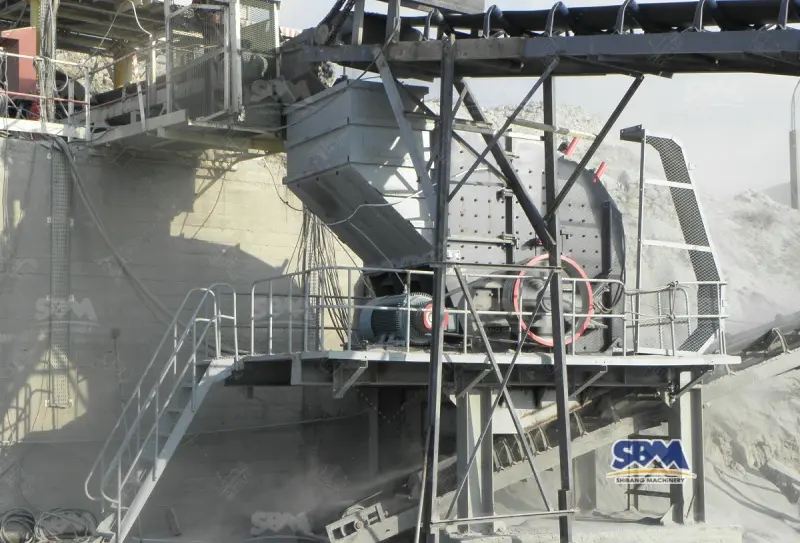
Défauts courants des concasseurs à percussion
Le terme “défauts du concasseur à percussion” covers everything from abnormal vibrations and overheating bearings to jammed chambers and excessive wear. Donc, it is important to understand these problems clearly. In the following sections, we will break down each fault, explain its causes, and outline the best solutions to keep crushers running smoothly.
Vibrations irrégulières
Abnormal vibration is one of the most common faults in an impact crusher. En général, it is caused by oversize feed, battoirs usés, déséquilibre du rotor, ou des boulons desserrés. Donc, operators should inspect the rotor, tighten fasteners, and check whether the installation base is stable to prevent further damage.
Causes courantes
- Aliment surdimensionné.
- Barres de soufflage usées.
- Rotor out of balance.
- Loose bolts.
Solutions
- Screen feed material before crushing.
- Replace worn blow bars.
- Adjust or rebalance the rotor.
- Tighten mounting bolts.
Surchauffe des roulements
Bearing overheating usually indicates lubrication or installation problems. Par exemple, insufficient grease, contaminated lubricant, or incorrect bearing assembly can all lead to excessive temperature. Par conséquent, the bearing should be cleaned, relubricated, and inspected for wear or misalignment.
Causes courantes
- Manque d'huile.
- Wrong oil type.
- Damaged bearings.
Solutions
- Vérifier et faire le plein d'huile.
- Choose the correct oil according to the manufacturer’s guidelines.
- Replace faulty bearings.
Variation de la taille du produit
If the final product from an impact crusher becomes too large or too inconsistent, battoirs usés, an incorrect gap setting, or irregular feed size may be the main causes. Par conséquent, the machine should be checked and adjusted promptly to restore the required product size.
Causes courantes
- Barres de soufflage usées.
- Improper blow bar–impact plate gap.
- Large or irregular raw material size.
Solutions
- Replace or repair worn blow bars.
- Adjust the gap width to the recommended range, usually 15–20 mm.
- Screen and calibrate raw materials before feeding.
Problèmes de courroie trapézoïdale
Les problèmes de courroie trapézoïdale entraînent une perte de puissance ou des arrêts brusques. Cela résulte généralement de courroies usées ou mal installées..
- Causes courantes: Usure de la ceinture, mauvais alignement lors de l'installation.
- Solutions: Remplacer les courroies trapézoïdales, assurez-vous que les courroies et les poulies sont dans le même plan lors de l'installation.
Blocage de la cavité de concassage
Blockage often occurs when wet or sticky material enters the crusher. En outre, oversized feed and an excessive feed rate may also cause material accumulation. Donc, operators should control feed size, reduce the feed rate when necessary, and avoid processing unsuitable material conditions.
Causes courantes
- Matériau humide ou collant.
- Oversized feed.
- Excessive feed rate.
Solutions
- Pre-dry wet material when possible.
- Crush oversized feed before it enters the crusher.
- Regulate the feed rate to prevent accumulation.
Bruit et claquements dans la cavité
Abnormal noise should never be ignored because it may indicate loose parts, worn liners, or impact between damaged components. Dans certains cas, uncrushable material entering the crusher can also create unusual sound. Donc, the machine should be stopped and inspected as soon as possible.
Causes courantes
- Uncrushable material entering the crusher.
- Loose or detached impact plate.
Solutions
- Stop the machine immediately.
- Clean out the crushing chamber.
- Reseat and secure the impact plate.
- Inspect internal parts before restarting the crusher.
Arrêts soudains ou non-démarrage
A sudden shutdown is usually related to electrical faults, surcharge, severe blockage, or a stuck rotor. Donc, the power supply and protection system should be checked first. Après cela, the operator should inspect the crushing chamber and mechanical components to identify the immediate cause.
Causes courantes
- Obstruction du port de décharge.
- Electrical issues.
- Stuck rotor.
- Low voltage.
Solutions
- Remove blockage from the discharge port.
- Inspect the electrical system and safety protection devices.
- Release the stuck rotor and check for internal damage.
- Ensure stable input voltage before restarting the machine.
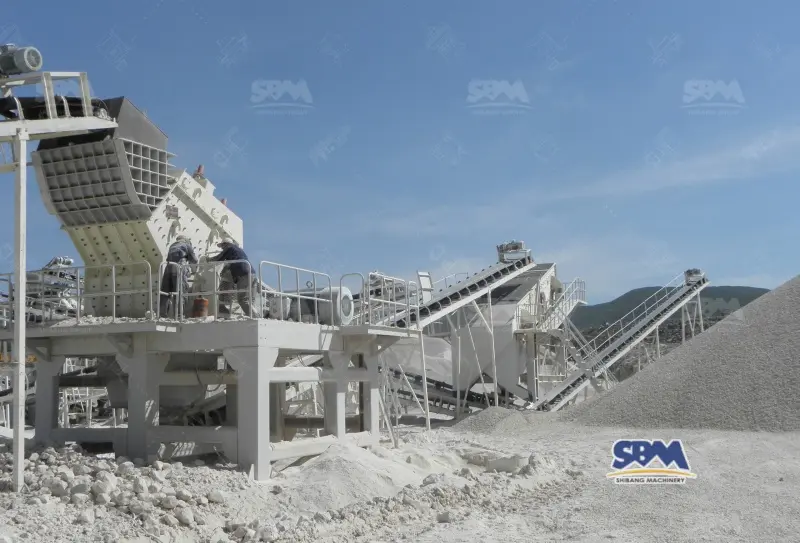
Tableau des défauts courants et des solutions des concasseurs à percussion
| Faute | Causes courantes | Solutions pratiques |
|---|---|---|
| Vibration anormale | Aliment surdimensionné, battoirs usés | Matériau de l'écran, remplacer les barres, rééquilibrer |
| Surchauffe des roulements | Huile insuffisante, roulement cassé | Ajouter/changer de l'huile, remplacer le roulement |
| Variation de taille du produit | Écart trop large, barres usées | Ajuster l'écart, réparer/remplacer les barres |
| Renversement de la courroie trapézoïdale | Ceinture usée, mauvaise installation | Installer correctement, remplacer la courroie |
| Blocage de la cavité de broyage | Aliment collant/gros, vitesse d'avance élevée | Matériel de pré-traitement, réguler l'alimentation |
| De fortes claques dans la cavité | Débris, plaque d'impact lâche | Nettoyer la cavité, plaque sécurisée |
| Le broyeur ne démarre pas | Obstruction, électrique, rotor coincé | Supprimer le blocage, réparer les fils, rotor libre |
Conseils de maintenance préventive
Preventive maintenance is the most effective way to reduce unexpected impact crusher faults. Donc, operators should regularly inspect blow bars, monitor bearing temperature, tighten bolts, control feed size, and use the correct lubricant. En outre, stable feeding and timely replacement of worn parts help maintain reliable performance. Par conséquent, a consistent maintenance routine is essential for preventing minor issues from turning into major failures.
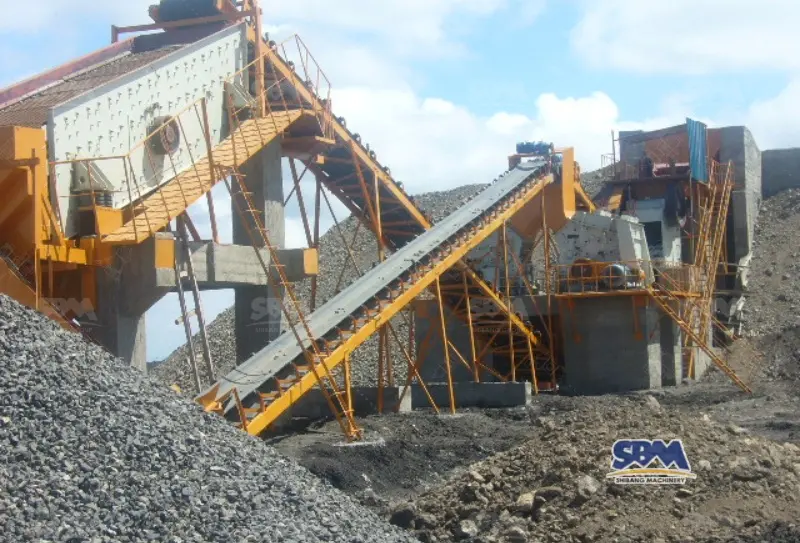
Solutions avancées et mises à niveau
Certains problèmes peuvent presque être évités grâce à des améliorations intelligentes:
- Choisissez des barres de soufflage en chrome résistant : elles résistent mieux lorsque vous travaillez avec des matériaux durs.
- Utiliser des systèmes automatiques pour ajouter de l’huile, pour que le personnel n'ait pas à vérifier manuellement.
- Essayez les panneaux de commande numériques qui avertissent en cas de secousses, chaleur, ou des problèmes électriques tout de suite.
Aussi, renseignez-vous auprès du fabricant sur les plans de service ou les garanties qui pourraient vous aider à long terme.
FAQ
Quel est le défaut le plus courant du concasseur à percussion?
Common impact crusher faults include abnormal vibration, bearing overheating, blockage, usure excessive, and sudden shutdowns. En général, these faults are related to wear, poor maintenance, or unstable feeding conditions. Par conséquent, operators should pay close attention to maintenance and feeding stability.
What causes impact crusher blockage?
Blockage is usually caused by wet or sticky material, oversized feed, or an excessive feed rate. Donc, proper material control and stable feeding are important.
How can impact crusher downtime be reduced?
Downtime can be reduced through regular inspection, remplacement rapide des pièces usées, stable feeding, and fast troubleshooting when faults appear. En outre, preventive maintenance helps avoid repeated failures.