E-mail: [email protected]

Wet iron ore screening is an important process in many iron ore plants where moisture, fine particles, and ore characteristics make dry screening less effective. When the material is wet, collant, or contains a high proportion of fines, screening performance can drop quickly if the system is not properly designed. This guide explains how iron ore wet screening works, what equipment is usually required, and how to improve efficiency and product quality in a wet processing environment.
Why Wet Iron Ore Screening Is Needed?
Iron ore often contains moisture from mining, stockage, rainfall, or processing water. Dans certains cas, the ore is intentionally processed in a wet circuit to improve separation and reduce dust. Wet screening is used because:
- Dry screening may become blinded or clogged.
- Moist material can reduce screen efficiency.
- Fine material may need to be separated in a slurry or washed state.
- Wet processing can improve handling and downstream recovery in certain flowsheets.
For plants dealing with iron ore and high moisture content, wet screening is often more practical than dry screening.
How Wet Iron Ore Screening Works?
Wet screening uses water to help separate material by size. The water can:
- Wash away fine particles.
- Reduce blinding on the screen deck.
- Improve flow of sticky ore.
- Help move undersize material through the screen apertures.
The process usually involves feeding ore and water onto a vibrating screen or a specially designed wet screening unit. The screen separates the material into different size fractions while water assists the classification.
Common Equipment Used in The Iron Ore Screening
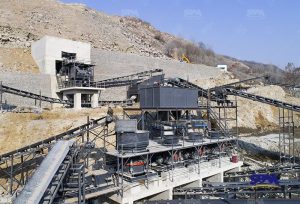
A wet iron ore screening plant may include:
- Feed hopper.
- Slurry or wet feed pump.
- Tamis vibrant or wet screen.
- Spray bars or washing system.
- Pumps and pipelines.
- Thickener, dewatering screen, or settling system for water recovery.
- Convoyeurs or slurry handling equipment for the separated products.
The exact setup depends on the moisture level, target size fractions, and whether the plant is part of a larger beneficiation circuit.
Key Challenges in Wet Iron Ore Screening
Wet screening can improve performance, but it also creates its own challenges.
1. Screen blinding
Fine or sticky particles can block the screen openings and reduce throughput.
2. Gestion de l'eau
Too little water may not clean the material properly. Too much water may overload the system or complicate dewatering.
3. Lower efficiency on very fine material
As the particle size becomes smaller, separation becomes more difficult and screen performance may drop.
4. Wear and maintenance
Wet conditions can increase corrosion, porter, and maintenance requirements on screen surfaces, pompes, and supporting equipment.
How to Improve Wet Screening Plant Performance?
To get better results from a wet screening plant, consider the following:
Choose the right screen type
Different screen designs work better for different iron ore conditions. The screen should be selected based on feed size, humidité, and desired cut size.
Control water flow
Water should be enough to help washing and separation, but not so much that it creates unnecessary slurry handling problems.
Use proper screen media
Screen media selection affects efficiency, porter la vie, et la qualité des produits. The right aperture and material are important for wet iron ore applications.
Maintain stable feed
A stable feed rate helps prevent overloads and improves separation consistency.
Include dewatering or water recovery
If the process uses large amounts of water, dewatering screens and thickeners help reduce water consumption and improve plant economics.
Wet Screening vs Dry Screening for Iron Ore
| Aspect | Criblage humide du minerai de fer | Dry Iron Ore Screening |
|---|---|---|
| Moisture handling | Better for wet or sticky ore | Better for dry material |
| Dust control | Lower dust | More dust |
| Screen blinding | Reduced by water | More likely with sticky feed |
| Water use | Requires water system | No water needed |
| Process complexity | Plus haut | Inférieur |
Wet screening is usually preferred when the ore is naturally wet or when washing is needed as part of the process.
When to Use Wet Iron Ore Screening?
Wet iron ore screening is often the better choice when:
- The ore contains high moisture.
- The material is sticky or clay-rich.
- Fine separation is needed.
- Dust control is important.
- The plant already uses wet processing or beneficiation.
If the ore is dry and free-flowing, dry screening may still be simpler and cheaper.
FAQ
1. What is wet iron ore screening?
Wet iron ore screening is the process of separating iron ore into size fractions using water to help wash, se déplacer, and classify the material on a vibrating screen or wet screen.
2. Why is wet screening better for sticky iron ore?
Water reduces screen blinding and helps sticky or fine-rich material pass through the screen more easily, which improves efficiency and product quality.
3. Does wet iron ore screening need extra equipment?
Oui. A wet screening system usually needs pumps, water supply, spray bars, dewatering equipment, and sometimes water recovery or slurry handling systems.
Related Reference Websites:
- https://www.sbmmachinery.com/
- https://www.wikipedia.org/