E-mail: [email protected]

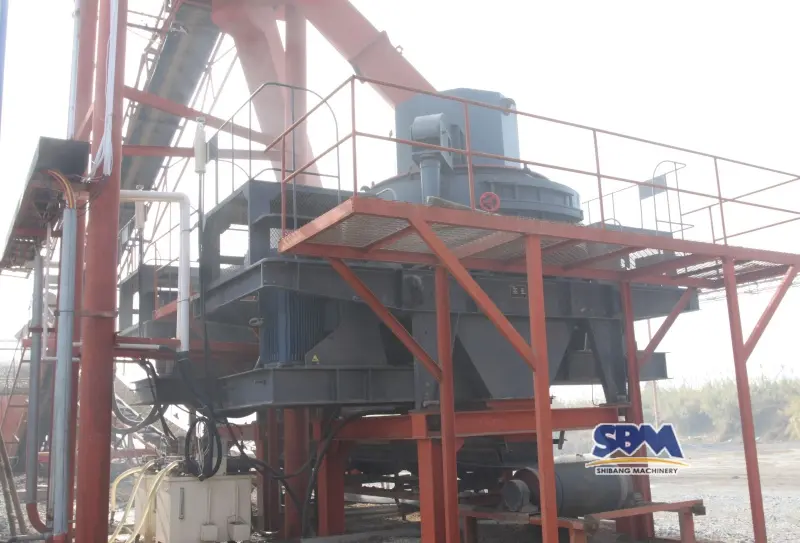
Khi cát sông tự nhiên trở nên khó kiếm hơn và đắt tiền hơn, nhiều nhà sản xuất đang chuyển sang sử dụng cát nhân tạo (cát M-cát) từ đá granit. Đá granite rất chắc chắn và bền, vì vậy nó có thể tạo ra cát tuyệt vời cho bê tông và nhựa đường—nhưng chỉ khi quy trình được thiết kế chính xác. Nhiều nhà khai thác đấu tranh với quá nhiều tiền phạt, hình dạng kém, hoặc phân loại không nhất quán khi lần đầu tiên họ cố gắng nghiền đá granit thành cát.
Hướng dẫn này giải thích cách chọn và cấu hình máy làm cát granite, làm thế nào để tích hợp chúng vào nhà máy nghiền đá granit hiện tại của bạn, và những điều bạn cần kiểm soát để có được cát M chất lượng cao đáp ứng các thông số kỹ thuật khắt khe về bê tông và nhựa đường.
Tại sao nên sử dụng đá granite cho cát sản xuất?
Đá granite có một số lợi thế khi làm nguyên liệu thô cho cát M-sand:
- Độ bền và độ bền cao – dẫn đến mạnh mẽ, bê tông và nhựa đường bền lâu.
- Khả năng chống mài mòn và đánh bóng tốt – quan trọng đối với bề mặt đường và các khu vực có lưu lượng giao thông cao.
- Thường có nhiều ở gần các mỏ đá tổng hợp – thường có sẵn ở cùng địa điểm với cốt liệu thô.
Thách thức chính là đá granitcứng và mài mòn, vì vậy thiết bị làm cát phải được lựa chọn và vận hành cẩn thận để kiểm soát độ hao mòn và chi phí.
Thiết bị cốt lõi để làm cát granite
Để hoàn thiệndây chuyền sản xuất cát granit, bạn thường cần:
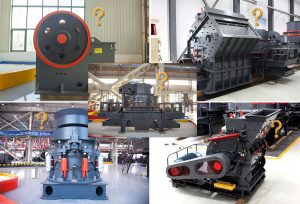
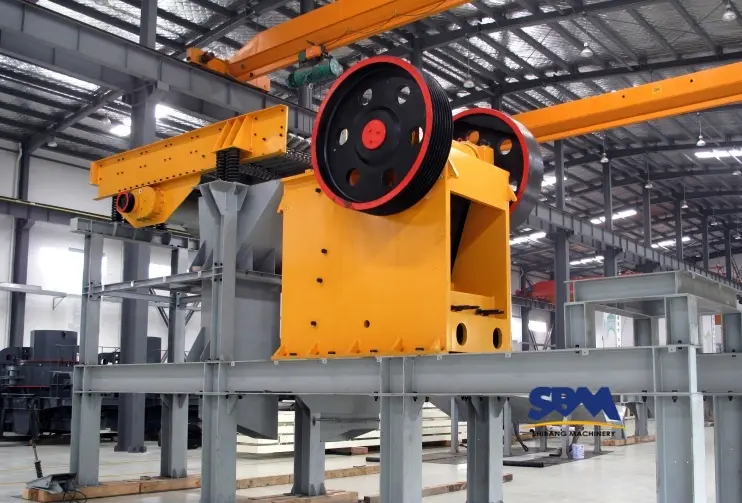
- Máy nghiền sơ cấp: Jaw Jaw Jaw Jaw – để phá vỡ các khối đá granite lớn thành các kích cỡ có thể quản lý được.
- Máy nghiền thứ cấp: máy nghiền hình nón – để sản xuất vật liệu có độ phân loại tốt 0–40 mm hoặc 0–25 mm.
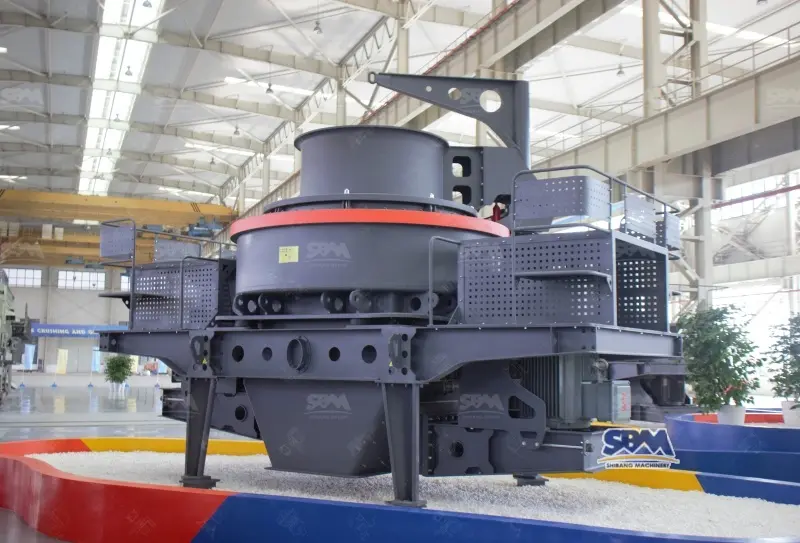
- Máy làm cát: Thông thường một tác động trục dọc (MỌI NGƯỜI) máy nghiền hoặc máy sản xuất cát chuyên dụng – để biến những mảnh đá granit nhỏ thành cát.
- Sàng lọc và rửa: Màn hình rung cộng với máy rửa cát tùy chọn – để kiểm soát kích thước và loại bỏ bụi hoặc tạp chất dư thừa.
Quy trình xử lý cát M-Sand điển hình
1. Nhà máy tổng hợp và cát granite tích hợp
Dành cho các mỏ đá muốn có cả cốt liệu thô và cát M:
- Máy nghiền hàm PE – nghiền sơ cấp đá granit lớn.
- Máy nghiền hình nón – nghiền thứ cấp để tạo ra 0–25 hoặc 0–40 mm.
- Sàng lọc – cách biệt 0–5 mm, 5–10mm, 10–20 mm, vân vân.
- Gửi 0–5 mm (và đôi khi 5–10 mm) đến máy sản xuất cát VSI.
- máy sản xuất cát VSI – sản xuất cát M (thường là 0–4,75 mm).
- Rửa cát và khử nước - cải thiện độ sạch và loại bỏ các hạt mịn dư thừa.
Thiết lập này cho phép bạn điều chỉnh lượng vật liệu được chuyển sang đường cát dựa trên nhu cầu thị trường.
2. Nhà máy cát đá granite chuyên dụng (Sử dụng chất thải và chất thải của máy nghiền)
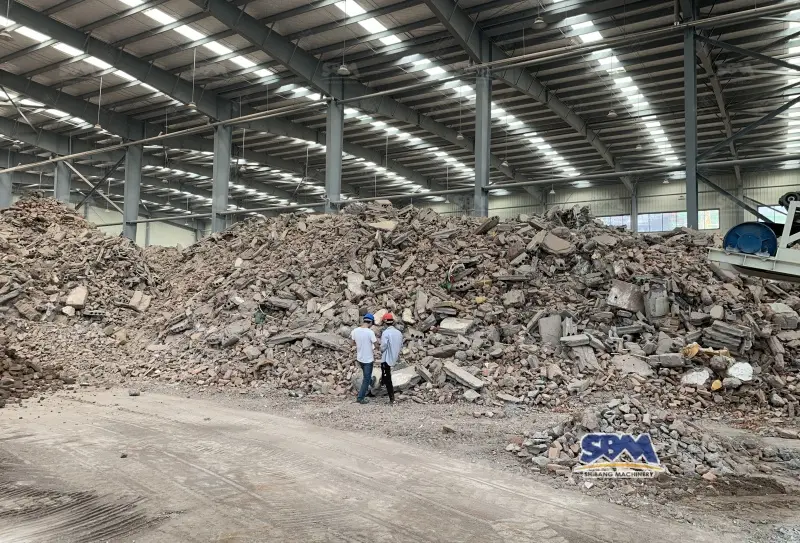
Đối với các địa điểm có trạm nghiền đá granit hiện có, nơi lãng phí một lượng lớn bột đá nghiền và các vật liệu nhỏ:
- Thu thập hạt mịn máy nghiền và vật liệu 0–10 mm từ nhà máy hiện tại của bạn.
- Đưa chúng vào máy tạo cát VSI để định hình lại và kiểm soát sự phân cấp.
- Sàng lọc và rửa sản phẩm để đáp ứng thông số kỹ thuật M-sand.
Đây là một cách hiệu quả về mặt chi phí để biến chất thải hoặc tiền phạt có giá trị thấp thành sản phẩm cát mang lại lợi nhuận.
Chọn máy làm cát granite phù hợp
CácMỌI NGƯỜI (tác động trục dọc) Sand Maker là sự lựa chọn phổ biến nhất cho đá granite M‑cát, bởi vì nó:
- Sử dụng tác động “đá trên đá” hoặc “đá trên đe” để tạo ra các hạt hình khối.
- Cho phép điều chỉnh tốc độ rôto và tỷ lệ tầng để điều chỉnh hình dạng và nội dung mịn.
- Có thể xử lý đá granit cứng nghiền sẵn, đặc biệt là trong phạm vi kích thước nhỏ hơn.
Khi lựa chọn máy làm cát granite, chú ý đến:
- Kích thước nguồn cấp dữ liệu: Nguồn cấp dữ liệu VSI điển hình là nhỏ (thường 30–40 mm); nguồn cấp dữ liệu từ hình nón hoặc màn hình phải phù hợp.
- Dung tích: chọn mô hình phù hợp với trọng tải cát M yêu cầu của bạn, không chỉ tổng tph nhà máy.
- Thiết kế rôto và các bộ phận mài mòn: đảm bảo thiết kế phù hợp với phần cứng, đá granit mài mòn và các bộ phận mài mòn luôn có sẵn.
- Tiêu thụ điện năng: nhìn vào kWh mỗi tấn để sản xuất cát, vì các giai đoạn VSI có thể tốn nhiều năng lượng.
Yêu cầu chất lượng đối với cát sản xuất bằng đá granite
Được chấp nhận bởi các nhà máy bê tông và nhựa đường, đá granit M-sand phải đáp ứng một số tiêu chí:
- Phân bố kích thước hạt (sự phân cấp)
- Phải nằm trong đường cong quy định (thường là 0–4,75 mm hoặc tương tự) với tỷ lệ được kiểm soát của hạt mịn và cát thô.
- Hình dạng và kết cấu bề mặt
- Tốt nhất là dạng khối có kết cấu đủ thô để liên kết xi măng và bitum tốt.
- Nội dung phạt tiền và sự sạch sẽ
- Phạt tiền quá mức (hạt rất nhỏ, ví dụ. <75 ừm) có thể gây hại cho khả năng làm việc và cường độ của bê tông.
- Đất sét, chất hữu cơ và các tạp chất khác phải được giữ ở mức tối thiểu.
- Tính nhất quán theo thời gian
- Nhà máy bê tông/nhựa đường mong đợi chất lượng ổn định; những biến đổi lớn hàng ngày gây ra các vấn đề về thiết kế hỗn hợp.
Điều này có nghĩa là bạn phải coi M-sand như mộtsản phẩm được thiết kế, không chỉ là sản phẩm phụ của quá trình nghiền nát.
Cách kiểm soát chất lượng cát Granite M‑?
Giúp ổn định chất lượng cát sản xuất, chúng tôi đưa ra những gợi ý sau đây về quy trình và quản lý:
- Điều chỉnh cài đặt VSI
- Tinh chỉnh tốc độ rôto và tốc độ cấp liệu để kiểm soát sự cân bằng giữa cát và bụi siêu mịn.
- Tối ưu hóa kích thước thức ăn cho máy tạo cát
- Cho ăn phạm vi kích thước quá lớn hoặc quá rộng có thể làm giảm hiệu quả và tạo ra nhiều khoản tiền phạt không mong muốn hơn.
- Sử dụng sàng lọc và giặt đúng cách
- Màn hình nhiều tầng giúp tách cát thành các phạm vi kích thước mong muốn; rửa loại bỏ bụi và chất gây ô nhiễm.
- Theo dõi việc phân loại và phạt tiền thường xuyên
- Lấy mẫu định kỳ và chạy phân tích sàng; điều chỉnh cài đặt dựa trên kết quả phòng thí nghiệm, không chỉ kiểm tra trực quan.
- Tách riêng các sản phẩm cát khác nhau nếu cần
- Một số thị trường yêu cầu các vùng cụ thể của đường cong tăng dần; sản xuất nhiều loại cát có thể nhắm tới các khách hàng khác nhau.
Các vấn đề thường gặp khi làm cát từ đá granite – và cách khắc phục chúng
- Vấn đề: Quá nhiều bụi hoặc hạt rất mịn trong cát M
- Gây ra: Tốc độ rôto VSI quá cao, thức ăn quá mềm hoặc quá mịn, hoặc thiếu giặt.
- Sửa chữa: Giảm tốc độ rôto, điều chỉnh kích thước nguồn cấp dữ liệu, cải thiện việc giặt/phân loại.
- Vấn đề: Cát quá thô và không đạt tiêu chuẩn phân loại
- Gây ra: Máy nghiền cát không đủ hoặc cấu hình màn hình không chính xác.
- Sửa chữa: Tăng tốc độ rôto, điều chỉnh nguồn cấp dữ liệu, hoặc tinh chỉnh khẩu độ màn hình.
- Vấn đề: Chi phí hao mòn cao trong máy làm cát
- Gây ra: Rotor và đe không phù hợp với đá granite cứng, kiểm soát thức ăn kém, hoặc cố gắng xử lý vật liệu quá khổ.
- Sửa chữa: Sử dụng các bộ phận chống mài mòn được thiết kế cho đá granit, kiểm soát kích thước và phân phối nguồn cấp dữ liệu, và tối ưu hóa quy trình để tránh nghiền quá mức.
- Vấn đề: Khách hàng phàn nàn về chất lượng cát không ổn định
- Gây ra: Hoạt động không đều, thay đổi cài đặt thường xuyên, hoặc trộn cát từ các nguồn khác nhau.
- Sửa chữa: Chuẩn hóa các thông số vận hành, sử dụng nguồn cấp dữ liệu nhất quán, và giữ các kho dự trữ riêng biệt được xác định rõ ràng.
Granite M‑Sand phù hợp với chiến lược nhà máy tổng thể của bạn như thế nào?
Sản xuất cát đá granit không nên được coi là một hoạt động kinh doanh hoàn toàn riêng biệt - nó phải được tích hợp vào chiến lược nghiền đá granit hiện có hoặc theo kế hoạch của bạn:
- Sử dụng của bạn hàm + hình nón thiết lập để sản xuất cả cốt liệu thô và thức ăn cho máy sản xuất cát.
- Để cát M hấp thụ một phần hạt mịn và mảnh vụn nhỏ có thể gây lãng phí.
- Thiết kế các tuyến sàng lọc và băng tải linh hoạt để bạn có thể điều chỉnh lượng vật liệu đi vào cát dựa trên nhu cầu và giá cả thực tế.
Câu hỏi thường gặp về Máy làm cát granite và M‑Sand
1. Tôi có thể tạo ra cát M-cát chất lượng cao từ đá granit chỉ bằng máy nghiền hàm và hình nón không?
Bạn có thể sản xuất một số vật liệu tốt chỉ với hàm và hình nón, nhưng hình dạng và sự phân cấp thường không lý tưởng cho các thông số kỹ thuật nghiêm ngặt về bê tông hoặc nhựa đường. Máy làm cát chuyên dụng (thường là một VSI) thường được yêu cầu để đạt được sự nhất quán, cát M-cát chất lượng cao từ đá granite.
2. Cát sản xuất bằng đá granite có tốt như cát sông tự nhiên dùng làm bê tông không?
Khi được sản xuất và phân loại chính xác, cát granit M-cát có thể sánh ngang hoặc thậm chí vượt trội hơn cát sông tự nhiên trong nhiều ứng dụng bê tông. Điều quan trọng là phân bố kích thước hạt thích hợp, mức phạt có giới hạn, và hình dáng tốt. Cát nghiền được kiểm soát kém, Tuy nhiên, có thể gây ra vấn đề về khả năng làm việc hoặc sức mạnh, vì vậy kiểm soát quá trình là cần thiết.
3. Việc làm cát từ đá granit có làm tăng đáng kể chi phí hao mòn và vận hành của tôi không?
Làm cát từ đá granit cứng làm tăng độ mài mòn trên VSI và các thiết bị liên quan so với vật liệu mềm hơn. Tuy nhiên, bằng cách sử dụng đúng máy, kiểm soát kích thước thức ăn, và tối ưu hóa các thông số vận hành, nhiều nhà sản xuất nhận thấy rằng chi phí mài mòn bổ sung được bù đắp bằng giá bán cát M chất lượng cao hơn và khả năng chuyển đổi rác thải thành sản phẩm có lợi nhuận.