E-mail: [email protected]

Khi vận hành máy nghiền đá trong khai thác mỏ hoặc sản xuất tổng hợp, người điều hành thường hỏi: “Tại sao kích thước của những gì tôi cho ăn lại quan trọng đến vậy?” Mối quan hệ giữa kích thước nguyên liệu thức ăn và hiệu suất của máy nghiền đá phức tạp hơn kịch bản nhân quả đơn giản. Hãy cùng phân tích yếu tố quan trọng này thông qua cơ chế thực tế.
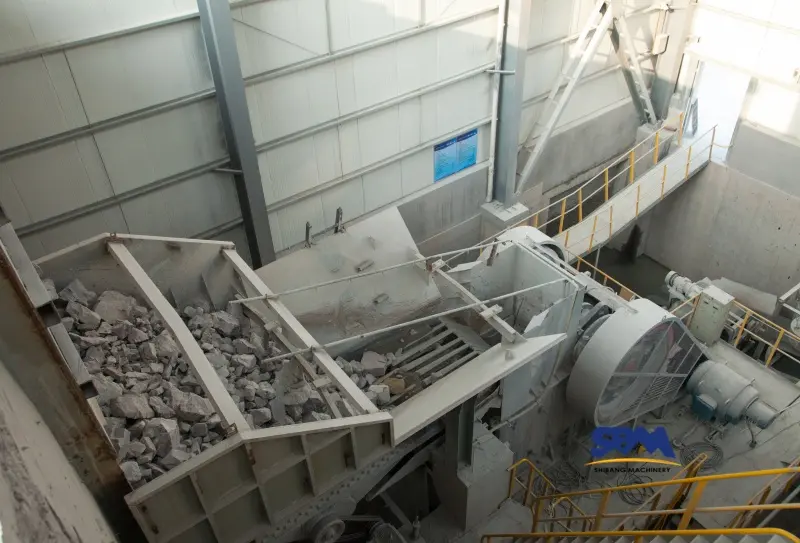
Nguyên lý Goldilocks: Tại sao “Vừa phải” Vấn đề
Mọi máy nghiền hàm có một thiết kếphạm vi kích thước thức ăn tối ưu, tiêu biểu 80-90% chiều rộng của máy nghiền. Những tảng đá quá khổ gây ra phản ứng dây chuyền của các vấn đề:
- Nhai vs. Thầm yêu: Những viên đá lớn hơn sức chứa của buồng gây ra “bắc cầu” (Kẹt nguyên liệu), buộc máy phải nén liên tục mà không bị gãy.
- Ma cà rồng năng lượng: Mỗi chu kỳ nén không cần thiết sẽ lãng phí 15-22% nhiều quyền lực hơn theo các nghiên cứu trong ngành.
Trường hợp điển hình: Một mỏ đá vôi ở Texas đã nhìn thấy một 37% tăng thông lượng sau khi thực hiện sàng lọc trước để loại bỏ +10% vật liệu quá khổ.
Nội dung liên quan: Máy nghiền hàm để xử lý đá vôi: Hướng dẫn về hiệu quả
Chi phí ẩn của việc định cỡ không chính xác
Ngoài mức giảm sản lượng có thể nhìn thấy, kích thước nguồn cấp dữ liệu không phù hợp tạo ra chi phí hoạt động lén lút:
Chiến tranh mẫu mặc
- Chuyển đổi ứng suất tấm: Bước tiến quá khổ làm tăng lực bên lên 2,3 ×, tăng tốc độ mài mòn trên các bộ phận quan trọng.
- Tuổi thọ lót: 20-50Đá quá khổ mm làm giảm độ bền của tấm hàm mangan bởi 40% ( dữ liệu trường).
Nội dung liên quan: Nguyên nhân gây thiệt hại cho tấm máy nghiền hàm là gì?
Nghịch lý hiệu quả
Ngược lại với trực giác, nhỏ hơn mức tối ưu nguồn cấp dữ liệu cũng gây hại cho hiệu suất:
- “Hiệu ứng bỏng ngô”: Các hạt nhỏ bỏ qua quá trình nghiền thích hợp, tăng tải tuần hoàn.
- 5-10% mất công suất xảy ra khi <50% thức ăn đáp ứng yêu cầu của máy nghiền “điểm ngọt ngào.”
Chiến lược tối ưu hóa thực tế
Chiến thuật sàng lọc trước khi nghiền
Thực hiện quy trình sàng lọc hai giai đoạn:
- Quán bar Grizzly loại bỏ kích thước quá khổ
- Màn hình rung tinh chỉnh phân cấp nguồn cấp dữ liệu
Cho tiền boa: Sử dụng tính năng quét laze để tạo mô hình 3D của nguyên liệu cấp liệu để điều chỉnh cài đặt máy nghiền đá.
Hack giám sát thời gian thực
Các giải pháp hiện đại kết hợp IoT và trí tuệ truyền thống:
- Lắp cân đai với camera AI để phân tích phân bố kích thước thức ăn
- Sử dụng cảm biến âm thanh phát hiện “tần số khủng hoảng” – khả năng nghiền tối ưu tạo ra tín hiệu âm thanh 80-120Hz
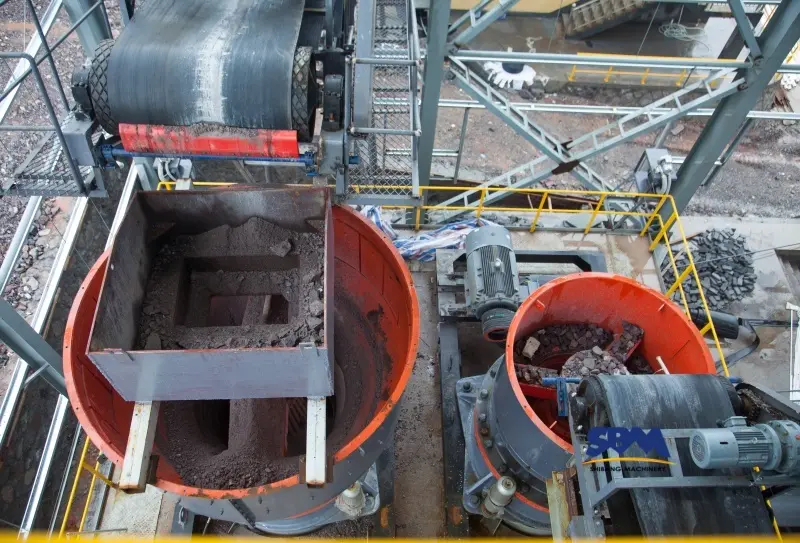
Khi điều chỉnh đánh bại thay thế
Trước khi cân nhắc việc nâng cấp máy, hãy thử các chỉnh sửa quản lý nguồn cấp dữ liệu này:
| Điều chỉnh | Tác động dự kiến |
|---|---|
| Giảm CSS* bằng 10% | +15% thông lượng |
| Tăng góc kẹp | Bám tốt hơn trên những tảng đá lớn |
| Lắp đặt lớp lót chống mòn | 30% tuổi thọ dài hơn |
*CSS = Cài đặt bên đóng
Một mỏ vàng của Canada đã đạt được 92% tỷ lệ sử dụng bằng cách đơn giản căn chỉnh kích thước thức ăn với cài đặt máy nghiền đá - không cần chi phí vốn.
Nội dung liên quan: Xử lý quặng vàng: Hàm hiệu quả
Tương lai của nguồn cấp dữ liệu thông minh
Các công nghệ mới nổi đang viết lại các quy tắc:
- Máy cho ăn thông minh sử dụng máy học dự đoán kích thước đá từ bóng băng tải
- Hệ thống song sinh kỹ thuật số mô phỏng cách các cấu hình nguồn cấp dữ liệu khác nhau ảnh hưởng đến kiểu hao mòn
“Hãy coi kích thước thức ăn như chế độ ăn của máy nghiền đá của bạn,” Tiến sĩ nói. Emma Lin, một chuyên gia nghiền hàng đầu. “Dinh dưỡng cân bằng – kích thước phù hợp – giúp thiết bị hoạt động tốt và hiệu quả.”
Bằng cách nắm vững việc kiểm soát kích thước nguồn cấp dữ liệu, hoạt động có thể mở khóa 18-35% khả năng sinh lời cao hơn thông qua lợi ích tổng hợp trong sản lượng, Tiết kiệm năng lượng, và giảm chi phí bảo trì. Chìa khóa nằm ở việc coi kích thước nguồn cấp dữ liệu không phải là một biến cố định, nhưng như một tham số động cần được quản lý tích cực.
🔧Danh sách kiểm tra chuyên nghiệp:
- Kiểm tra phân phối kích thước nguồn cấp dữ liệu hàng tháng
- Giám sát CSS thời gian thực thông qua cảm biến thủy lực
- Đào tạo người vận hành về đánh giá nguồn cấp dữ liệu trực quan
Lần tới khi bạn nghe thấy tiếng máy nghiền đá của bạn đang hoạt động, nhớ: hiệu suất của nó không chỉ ở mã lực – mà còn ở việc bạn cung cấp sức mạnh đó một cách khôn ngoan như thế nào.