E-mail: [email protected]

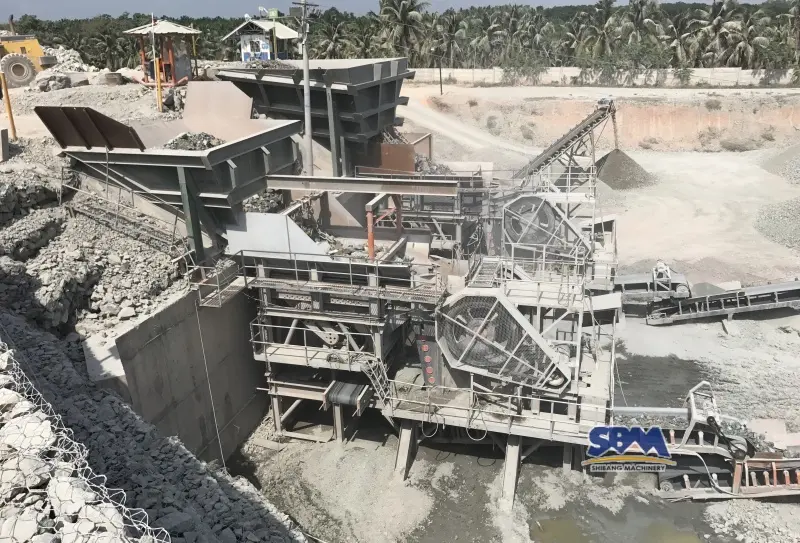
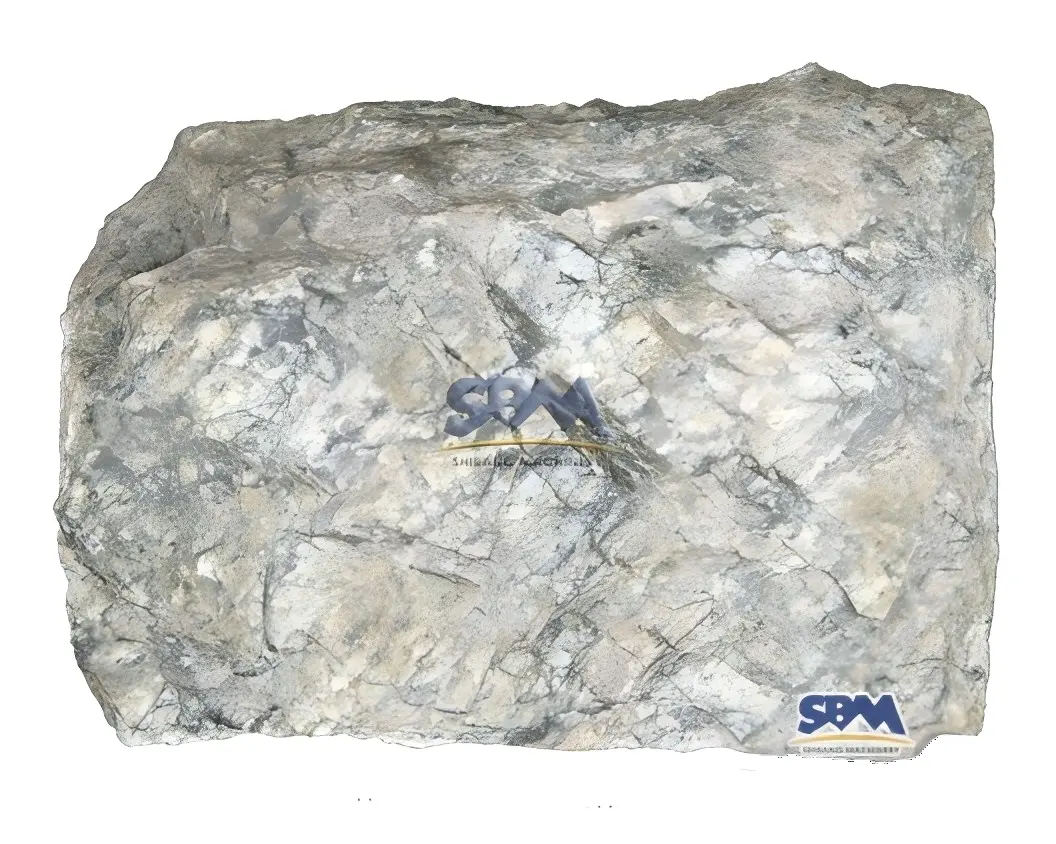
Granite ăn thiết bị cho bữa sáng. Cấu trúc tinh thể lồng vào nhau đó – chủ yếu là thạch anh và fenspat – cười nhạo máy móc yếu kém. Running a profitable operation means getting thegranite crushing and grinding plant (nhà máy chế biến đá granite) nguyên tắc cơ bản vững chắc ngay từ ngày đầu tiên. Bỏ qua lý thuyết; let’s talk about what actually works when moving from quarry block to saleable product.
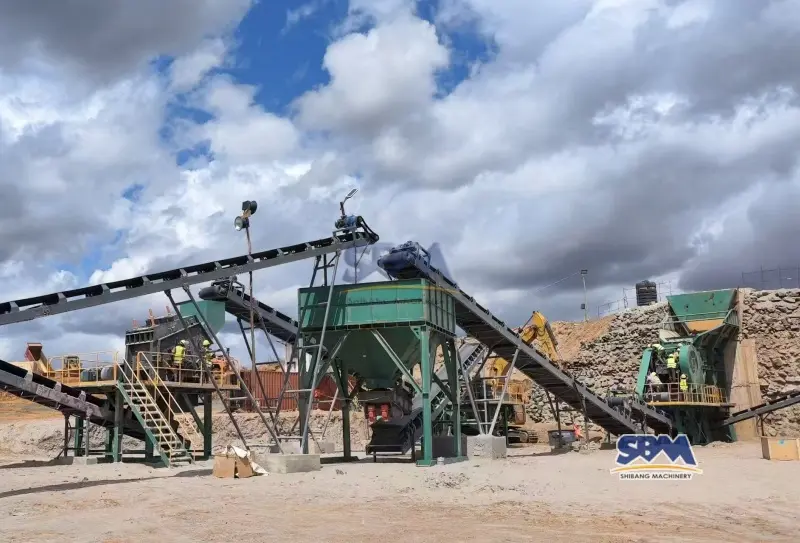
Biết tảng đá của bạn: It Dictates Your Plant
Ignore granite’s Mohs 6-7 rating at your peril. Its abrasiveness will shred poorly selected liners. Consistency matters too – vein variations change wear rates and throughput. Smart operators sample constantly. Before you spec that primary crusher, answer this: What’s the real feed size distribution from your blasting crew? Wishful thinking costs millions in downtime.
Nghiền chính: Where the Real Work Starts
Those multi-ton blocks need breaking fast and reliably. This is brute force territory:
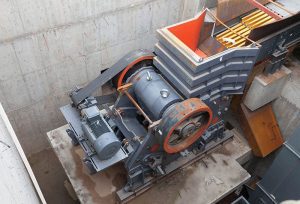
- Jaw Crushers Rule Here: That simple “chomp” motion handles irregular chunks better than anything else. Kích thước nguồn cấp dữ liệu? We’ve seen jaws take 60-inch monsters down to 6-inch minus. Key is manganese jaw chemistry – don’t cheap out. Expect to swap liners every 6-12 months in hard granite.
- Máy nghiền Gyratory Lựa chọn: Only makes sense for massive primary throughput (nghĩ 5,000+ TPH). Expensive upfront, but lower cost per ton at scale. Maintenance complexity scares off smaller ops.
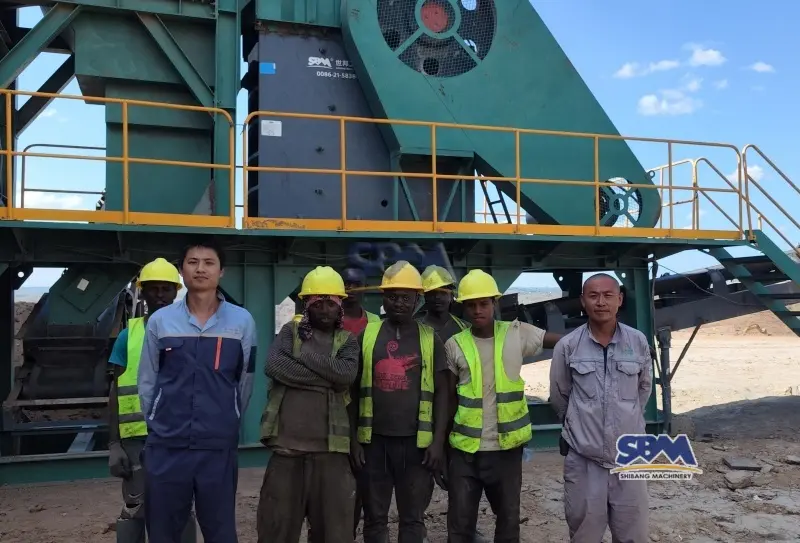
Bàn 1: Choosing Your Primary Weapon (đá hoa cương)
| Loại máy nghiền | When It Makes Sense | Feed Size Reality | Output You Get | Operational Truths |
|---|---|---|---|---|
| máy nghiền hàm | 80% of granite processed plants | Up to 1.5m lumpy feed | 150-250mm | “Workhorse” – simpler maintenance, handles trash |
| con quay hồi chuyển | Mega-quarries (5000+ TPH) | Same as jaw | 150-200mm | Công suất cao hơn, but rebuilds shut you down for days |
Nghiền cấp hai/cấp ba: Shaping the Profit
Primary output is still useless rubble. Now we shape and size it:
- CONE Crushers: Non-negotiable here. That mantle/concave action crushes granite multiple times on the way down. Want cubical aggregate for premium pricing? Cone CSS settings are your golden knob. Cho tiền boa: Run slightly wider CSS than you think – better throughput and less recirculation than chasing the last 5% thông số kỹ thuật.
- Tertiary Stage Reality: Needed only if making chip seal or ultra-fine feed for grinding. HPGRs gain traction here – lower energy, less dust, but sensitive to feed variation. Screen between stages religiously; recirculating fines kills cone efficiency.
Sàng lọc: The Unsung Profit Center
Screens make or break your gradation specs. In granite processed plant:
- Inclined Màn hình rung: Only real choice for primary/secondary circuits. Deck count depends on product splits needed. Mesh blinding? Guaranteed with wet granite. Use polyurethane or rubber mats on top decks.Actual operator gripe: “Maintenance never lubes the vibrators!”
- Scalping: Do it early. Pulling fines before primary crushing reduces wear and boosts jaw capacity 10-15%. Simple grizzly screens pay for themselves fast.
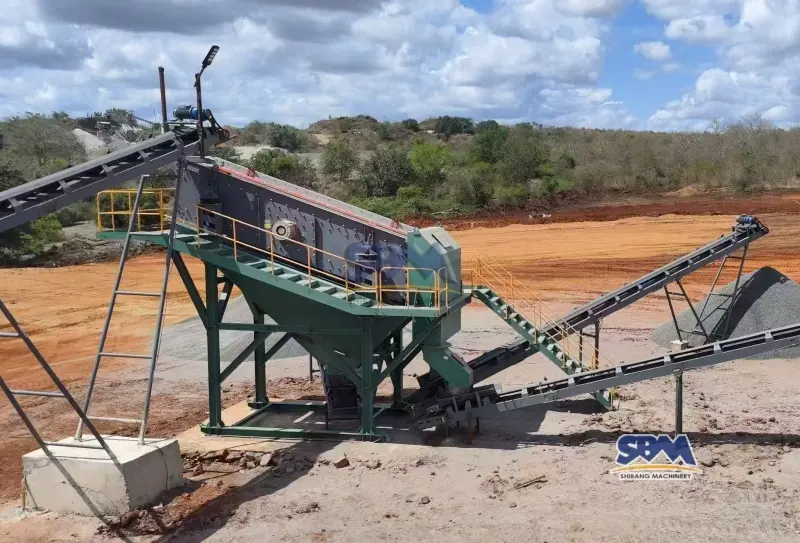
Conveying Granite: No Room for Weak Links
Abrasives belts fail spectacularly. Key learnings:
- Người cho ăn: Apron feeders for primary discharge – they shrug off impacts that wreck belts. Vibrating pan feeders work fine for screened fractions.
- băng tải: Minimum 3-ply belts, 25mm top covers. Impact beds at loading points aren’t optional – they’re insurance. Bụi? Contain it at transfer points or face cleanup costs that dwarf the baghouse investment.
Grinding Granite: Where Efficiency Matters
Turning granite into powder burns cash if you get it wrong. Reality check:
- VRM Dominate: Vertical Roller Mills are the only sane choice for serious granite powder production. Tại sao? That roller-on-table action crushes efficiently while hot air dries. Energy savings vs ball mills? 30-40% isn’t unusual.Grinder’s maxim: “Your kWh/ton decides if you eat steak or ramen.”
- Máy nghiền bi? Only if you inherit one or grind very coarse. Prepare for liner changes every 3 months and energy bills that hurt.
Bàn 2: Granite Grinding – Technology Tradeoffs
| Mill Type | Phù hợp nhất | Fineness Target | Operator View | Cost Reality |
|---|---|---|---|---|
| VRM | 90% of new granite processed plants | 10-100 micron | “Worth the capex – saves my OPEX daily” | Chi phí ban đầu cao hơn, lower running |
| BALL BALL | Legacy plants, coarse grind | 45-200 micron | “Constant liner battles, power hog” | Lower capex, brutal operating cost |
| Raymond | Niche filler markets | 45-180 micron | “Okay for small tonnage, clogs if feed varies” | Affordable but limited |
Phân loại: Hitting the Number
Grind size specs are contracts. Miss them, lose customers.
- VRM Integrated Classifiers: The elegant solution. Adjust rotor speed, change fineness instantly. Just keep bearings maintained – a seized classifier stops the whole plant.
- External Air Separators: Necessary with ball mills. More moving parts, more dust points. Efficiency drops if fan blades wear unevenly.Lab tech warning: “Sample every shift. Classifier drift sneaks up.”
Kiểm soát bụi: It’s About Survival
Granite silica dust isn’t a nuisance – it’s a lethal hazard and a regulator’s dream citation. Non-negotiables:
- Baghouses: Pulse-jet design. Size generously – undersized filters blow through or blind constantly. Filter media? PTFE membrane for granite. Đắt, but lasts.
- Enclosure Philosophy: Seal every transfer point. Hood crusher discharges. Run negative pressure in grinding buildings.Safety manager’s mantra: “If you see dust escaping, the system failed hours ago.”
Xử lý sản phẩm: Don’t Lose What You Made
Granite powder flows like concrete if handled poorly:
- Pneumatic Conveying: Use dense phase systems. Gentle handling prevents particle degradation. Airlocks must be robust – granite wears rotary valves fast.
- Silos: Mass flow design mandatory. Cone angles >70 độ. Fluidizing pads prevent bridging. Level indicators? Radar, not mechanical probes.Storage horror story: “One clogged silo cost us 3 days of production. Never again.”
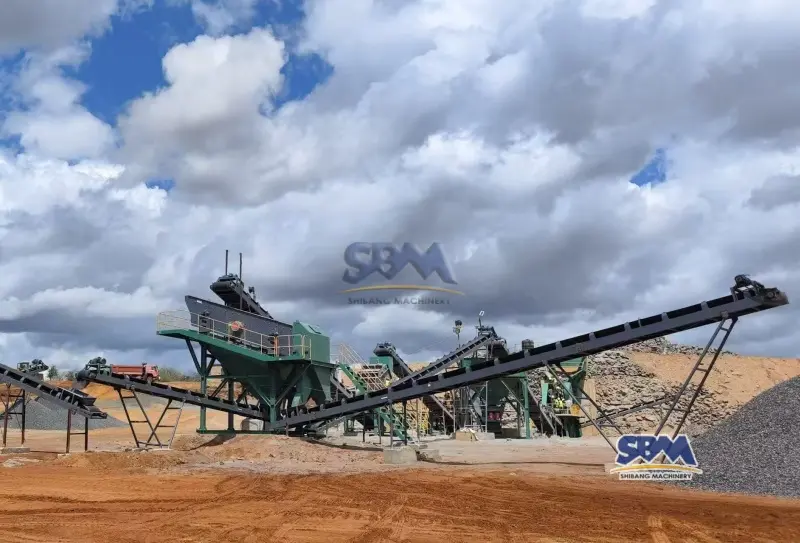
Granite Processed Plant Design: What Do You Need?
Your end product dictates the entire flow:
- Aggregates Focus: Nghiền nát thật mạnh, screen tight. Jaw -> Cone -> Tertiary Cone/HPGR. Shape matters more than ultra-fines. Minimize grinding stages.
- Filler Powder Focus: Crush just enough to feed VRM. Grind fine, classify precisely. Dust control is your biggest operating cost after power.
- Slab Waste Recycling: Smaller crushers suffice. Remove metal contaminants aggressively before grinding. Moisture control is critical.
Tối ưu hóa: The Real Work Starts at Commissioning
Your plant design is just a starting point. Continuous tweaks drive profit:
- Track Relentlessly: kWh/ton per stage, liner wear rates (mm/week), screen efficiency (% undersize bypass), dust emissions. Logbook everything.
- Crushing Tip: Open secondary cone CSS slightly if tertiary stage follows. More throughput, same final spec.
- Grinding Hack: Monitor VRM grinding pressure trend. Slow decline means roller/table wear – plan changeouts before fineness suffers.
- Maintenance Rhythm: Schedule liner swaps during predicted low-demand periods. Stock critical spares – crusher mantles, VRM rollers. Downtime is theft.
Sự an toàn: The Only Metric That Trumps Profit
Granite processed plant is danger zones. Culture beats compliance manuals:
- LOTO Violation = Instant Dismissal. No warnings. Ever.
- Silica Exposure: Real-time monitors at workstations. Respirators mandatory near crushers/mills. Medical surveillance annually.
- Conveyor Safety: Guard every nip point. Install emergency stop cords every 6 meters.Old hand’s advice: “Assume every machine wants to kill you. You’ll stay sharp.”
Partnering Right: Machinery That Lasts
Granite spits out cheap equipment. Proven performers matter:
- SBM China Crushers: Thicker manganese, heavier frames. Their cone crushers handle tramp metal better than most.
- SBM VRMs: Designed for abrasives. Roller/tables last 20-30% longer in granite vs generic mills. Hydraulic system robustness matters when grinding 7-Mohs rock.
- Full Plant DNA: Choose partners who engineer theinteractions – how the crusher discharge feeds the screen, how conveyor speeds match VRM feed rates. Integration prevents bottlenecks.
Process Knowledge = Profit
How is đá hoa cương đã xử lý separates profitable operators from bankrupt ones. It’s not about buying the biggest crusher or fanciest mill. It’s about:
- Matching equipment to your specific granite variability
- Designing flows that minimize re-handling and energy waste
- Relentlessly tracking wear and efficiency metrics
- Building a safety culture that survives night shifts
Partner with engineers who’ve fought granite and won. The difference shows on your bottom line and your maintenance logs. Ready to build a plant that lasts? Let’s get gritty.