E-mail: [email protected]

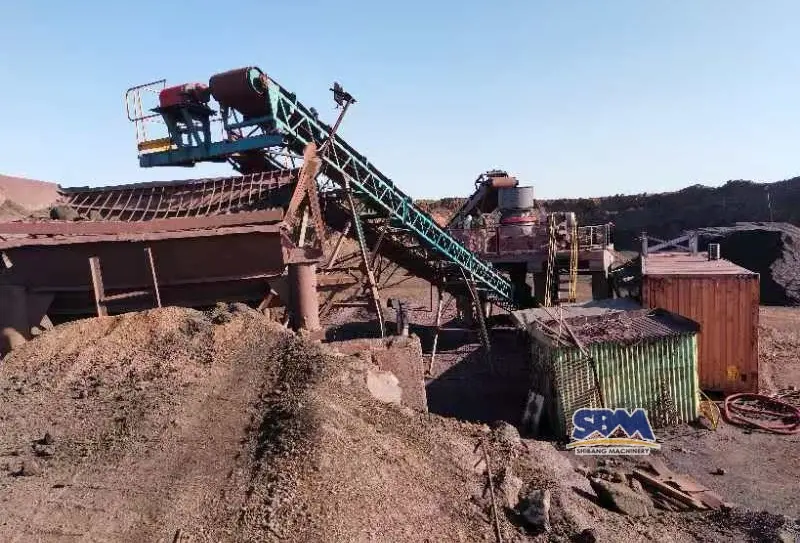
Choosing iron ore crushing equipment is not just about picking the biggest crusher or the most familiar machine. A good selection starts with the ore itself, because magnetite and hematite do not behave the same way in the crushing circuit. If the circuit does not match ore hardness, Sự chậm trễ, độ ẩm, and downstream targets, the plant may face unstable throughput, mặc nhanh hơn, and higher cost per ton. Tại SBM, we look at iron ore crushing equipment selection as a system decision. The crusher, màn hình, điểm trung chuyển, and even the target feed size for grinding must work together. That is why two iron ore projects with similar capacity may still require different crushing layouts.
Why ore type matters?
Quặng sắt is not one uniform material.
Magnetite is usually harder and tougher, while hematite can be more brittle depending on its structure and gangue association.
This difference directly affects crusher type, wear strategy, circuit layout, and screening efficiency.
A buyer who only compares machine price may miss the bigger issue.
The real question is whether the selected iron ore crushing equipment can keep the plant stable over time and produce the right size for grinding or pre-concentration.
What magnetite usually needs?
Magnetite projects often require a robust crushing circuit because the ore is hard and abrasive. Trong nhiều trường hợp, a laminated crushing approach works better, with a jaw crusher in the primary stage and cone crushers in the secondary and fine crushing stages. This helps reduce large lumps step by step while controlling wear and maintaining a more consistent product size.
A closed-circuit screening system is also common in magnetite crushing lines. It helps return oversize material to the crusher and keeps qualified material moving forward to grinding. For many medium and large plants, this is a practical way to support the “more crushing, less grinding” approach.
What hematite may require?
Hematite crushing can follow a different logic because some hematite ores are less tough and more brittle than magnetite. Trong những trường hợp này, the crushing circuit may allow more flexibility in secondary equipment choice, depending on the required product size and the plant’s downstream beneficiation route. The exact solution still depends on ore testing, because not all hematite behaves the same way.
If the ore contains more clay or moisture, the layout may also need better pre-screening, ore washing, or a less restrictive flow path to avoid blockage and unstable feed. This is one reason why iron ore crushing equipment selection should never rely on headline capacity alone.
Primary crusher selection
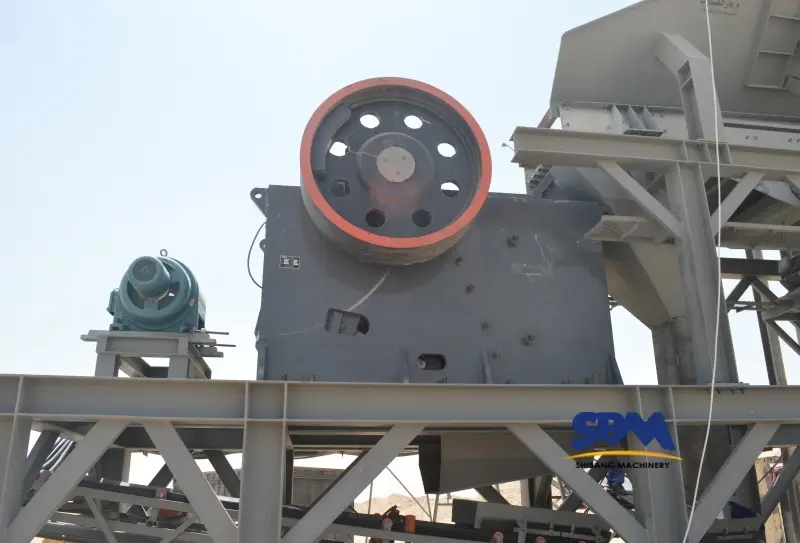
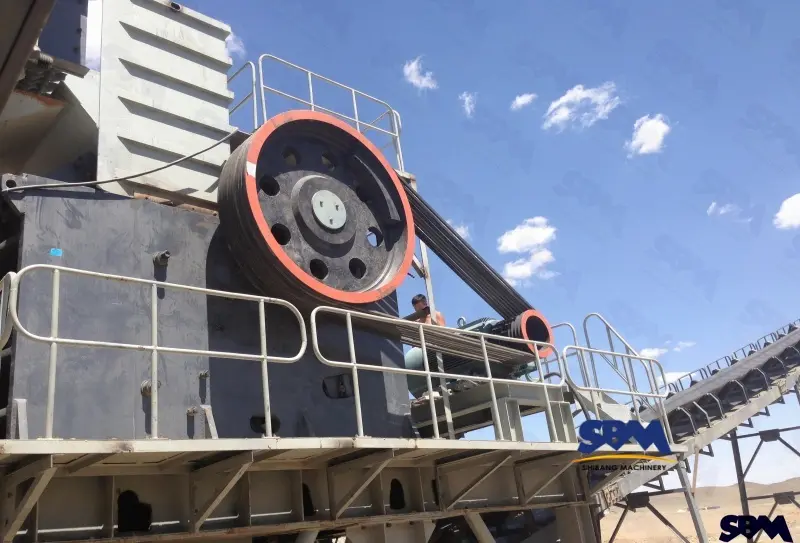
The primary stage usually sets the tone for the entire line. Jaw crushers are widely used for coarse iron ore crushing because they accept large feed and offer reliable first-stage reduction. In high-capacity mines, gyratory crushers may also be considered when throughput targets are much larger.
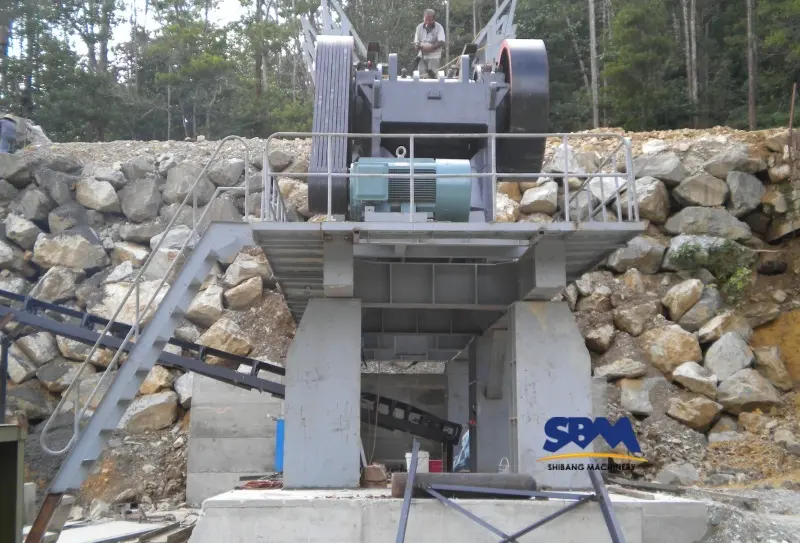
For small and medium-sized projects, a jaw crusher is often the most practical starting point. It is rugged, familiar to operators, and well suited for the first reduction of large iron ore lumps.
Secondary and fine crushing selection
Sau khi nghiền sơ cấp, the equipment choice depends on required product size, ore hardness, and final plant goals. Cone crushers are commonly selected for magnetite and other hard iron ores because they offer efficient compression crushing and good wear performance. For plants that need a finer and more controlled product for grinding, a secondary plus fine crushing layout is often the better option.
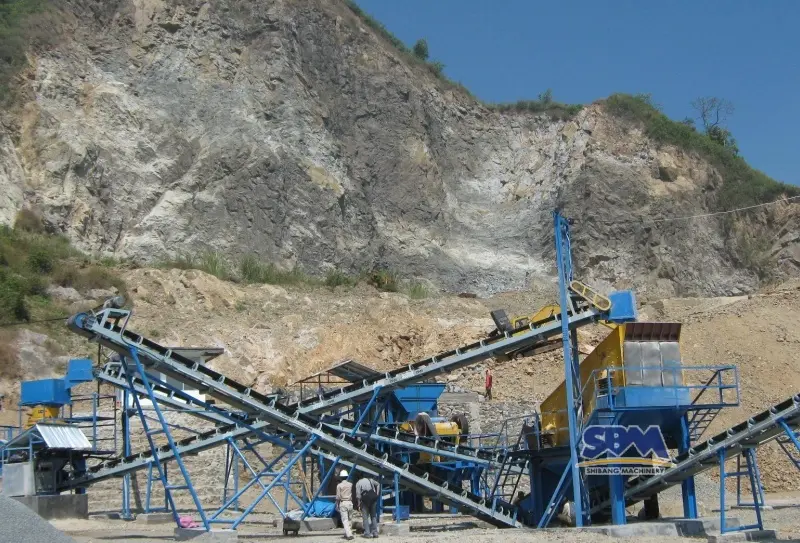
Some projects use two-stage crushing, while others use three-stage crushing with one closed circuit. The classic three-stage one closed-circuit process remains common in large and medium iron ore plants because it helps control the final crushed size before grinding.
Key factors before choosing equipment
Before selecting iron ore crushing equipment, we recommend checking these factors carefully:
- Loại quặng: từ tính, hematit, or mixed iron ore.
- Hardness and abrasiveness of the feed.
- Maximum feed size from mine or stockpile.
- Required crushed product size before grinding.
- Độ ẩm, hàm lượng đất sét, and risk of blockage.
- Plant capacity target and expected expansion plan.
- Maintenance strategy and wear part budget.
These factors affect not only the machine choice, but also whether the project should use open circuit, mạch kín, two-stage, or three-stage crushing.
Common selection mistakes
One common mistake is choosing equipment based only on initial price. A lower upfront cost may look attractive, but if the machine wears quickly or cannot control the product size, the plant may pay more later in downtime and grinding energy.
Another mistake is assuming that all iron ore behaves the same way. Magnetite and hematite can require different crushing responses, so ore testing should come before final equipment matching.
A third mistake is ignoring the grinding section. Crusher output must match the needs of the downstream circuit, otherwise the entire concentrator becomes less efficient.
How SBM approaches iron ore projects?
Tại SBM, we do not treat iron ore crushing equipment selection as a one-machine decision. We evaluate ore properties, điều kiện thức ăn, công suất nhà máy, kích thước mục tiêu, and downstream process together. This helps us recommend a circuit that is more practical, more stable, and better aligned with the customer’s processing goals.
Ví dụ, a magnetite project may need a jaw crusher plus cone crusher arrangement with closed-circuit screening. A hematite project may require a more flexible secondary layout depending on brittleness, độ ẩm, và yêu cầu về sản phẩm cuối cùng. In both cases, the goal is not simply to crush ore. The goal is to prepare the right feed for the next profitable step.
Câu hỏi thường gặp
What is the best crusher for magnetite iron ore?
For many magnetite projects, a jaw crusher for primary crushing plus cone crushers for secondary and fine crushing is a practical choice because magnetite is usually hard and abrasive.
Is hematite crushing different from magnetite crushing?
Đúng. Hematite can be more brittle than magnetite, so equipment choice and circuit flexibility may differ depending on ore characteristics and downstream requirements.
Is a two-stage or three-stage crushing circuit better for iron ore?
It depends on feed size, kích thước sản phẩm mục tiêu, and grinding requirements. Many large and medium iron ore plants use a three-stage one closed-circuit process to control crushed product size more effectively.
What information is needed to select iron ore crushing equipment?
Bạn nên chuẩn bị loại quặng, độ cứng, kích thước nguồn cấp dữ liệu tối đa, công suất mục tiêu, Kích thước sản phẩm cần thiết, moisture level, and basic downstream process requirements.