Электронная почта: [email protected]

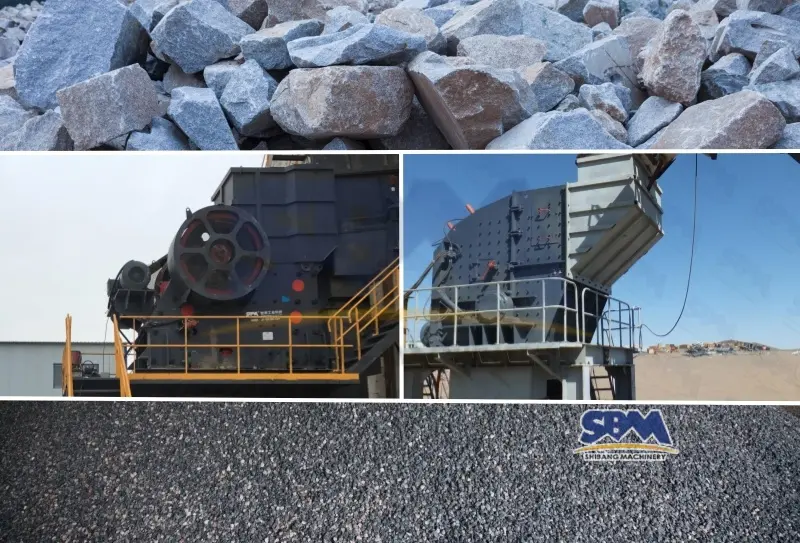
Когда вы проектируете гранитная дробильная установка или обновить существующий завод по производству каменных дробилок, одно из ключевых решений – использовать ли в качестве основной машины щековую дробилку или ударную дробилку.. Этот выбор напрямую влияет на емкость, затраты на износ, форма продукта, и рентабельность инвестиций в проект.
Для тяжелого, абразивные камни, такие как гранит, щековые дробилки обычно отдаются предпочтение в качестве первичной дробилки, тогда как ударные дробилки чаще используются в качестве вспомогательных машин для формования и тонкого дробления.. Понимание причин поможет вам выбрать наиболее выгодную установку для вашего карьера или проекта..
Как они работают?
Щековая дробилка против ударной дробилки для гранита:
- Зубодробилка, мордоворот:
- Щековая дробилка C6X Использует сжатие между неподвижной и движущейся щекой для дробления камня..
- Выдерживает очень большие размеры подачи и высокую прочность на сжатие., что делает его идеальным для твердых гранитных валунов.
- Ударная дробилка:
- Использует высокоскоростные молотки или ударные билы, чтобы швырять материал в ударные пластины.. Для очень твердых пород, таких как гранит и базальт., Подробное руководство смотрите в Ударная дробилка или щековая дробилка для твердых пород.
- Производит более кубическую форму, однородные заполнители, но более чувствительны к очень твердым и абразивным камням, таким как гранит..
Эти различные принципы работы являются основной причиной разрыва в сроке службы изнашиваемых деталей., форма продукта, и эксплуатационные расходы между двумя машинами.
Гранит лучше для челюсти или удара??
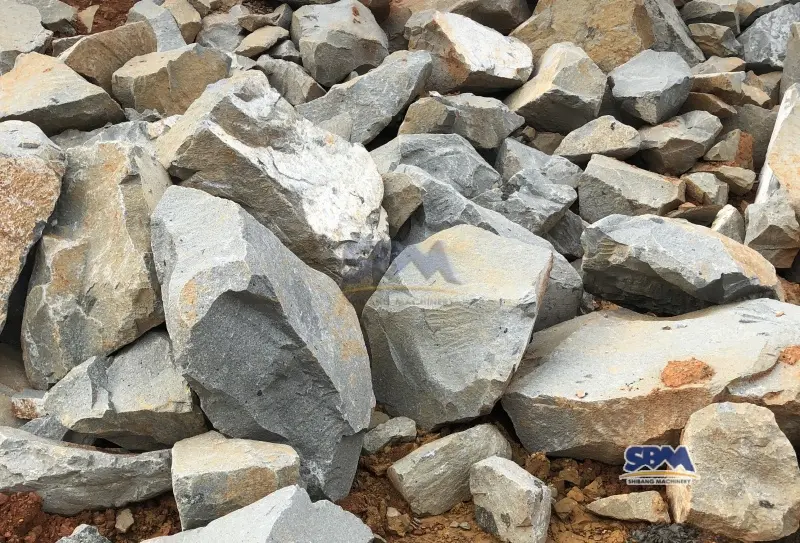
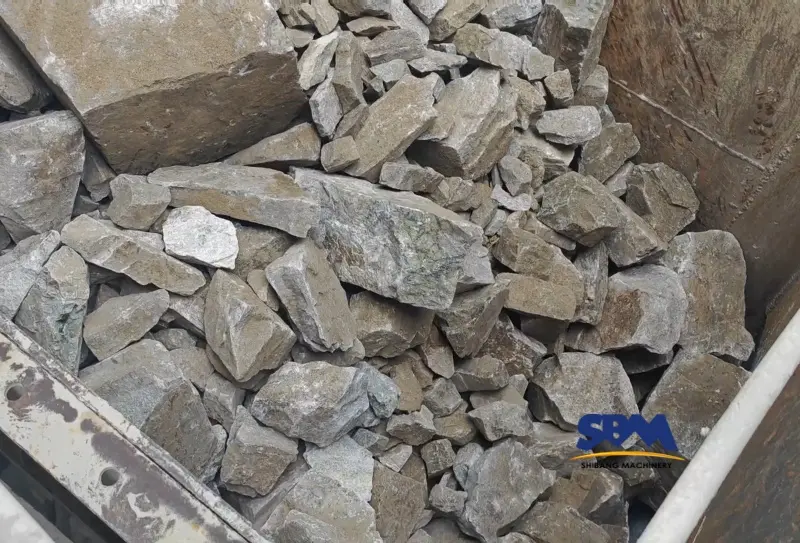
Гранит твердый, плотный, и абразивный, с высокой прочностью на сжатие и сильным износом в любой камере дробления. По характеристикам материалов и методам обработки, видеть Гранитный камень. Щековая дробилка против ударной дробилки для гранита:
- Щековая дробилка как основная дробилка гранита:
- Предназначен для очень твердых и абразивных материалов, таких как гранит., базальт, и порфир (видеть лучшая щековая дробилка для твердых пород).
- Большое загрузочное отверстие (часто до примерно 1 200 мм) и высокая производительность делают его подходящим для объемных гранитных блоков.
- Ударная дробилка как вторичная / формовочная дробилка:
- Может использоваться после щеки или конуса для улучшения формы продукта и увеличения доли заполнителей кубической формы 0–40 мм или 0–25 мм.
- Непосредственное использование ударной дробилки в качестве основной для очень твердого гранита возможно, но это приводит к сильному износу ударных бил и частой замене деталей. Подробности см. Какие материалы подходят для ударных дробик?
На практике, это означает: челюсть для первого перерыва, влияние только в том случае, если вам действительно нужна первоклассная форма для меньших размеров или искусственного песка.
Ключевые различия для применения гранита
Производительность и применение
Эти различные принципы работы являются основной причиной разрыва в сроке службы изнашиваемых деталей., форма продукта, и эксплуатационные расходы между двумя машинами, и они также влияют на то, как вы настраиваете свой Решение для дробления и сортировки SBM.
| Аспект | Щековая дробилка для гранита | Ударная дробилка для гранита |
|---|---|---|
| Подходящая роль | Первичное дробление твердых гранитных валунов. | Второстепенный / третичное дробление и формование предварительно измельченного гранита. |
| Материальная твердость | Очень твердые и абразивные породы, такие как гранит и базальт. | Лучше подходит для материалов средней твердости и менее абразивных материалов.; твердый гранит ускоряет износ. |
| Размер подачи | Очень большие блоки, часто до примерно 1 200 мм в зависимости от модели. | Меньший, уже уменьшенный материал, обычно ≤800 мм или меньше. |
| Форма продукта | Более хлопьевидные и удлиненные частицы, менее однородный. | Более кубический, хорошо сортированные заполнители, идеально подходит для бетона и асфальта. |
| Износ и детали | Меньшая скорость износа и более длительный срок службы при использовании твердого гранита.; более простые вкладыши. | Высокий износ ударных бил и вкладышей на твердых, абразивный гранит; более частая замена. |
| Эксплуатационные расходы | Снижение затрат на износ на тонну гранита; стабильная долгосрочная работа. | Более высокие затраты на износ и время простоя при обработке гранита, особенно в качестве основного. |
Качество и градация продукции
- Зубодробилка, мордоворот:
- Производит более широкий диапазон размеров частиц с большим количеством игольчатых и хлопьевидных частиц.
- Часто требуется вторичная конусная или ударная дробилка для улучшения формы и соответствия требованиям к бетону или асфальту с высокими техническими характеристиками.
- Ударная дробилка:
- Обеспечивает более кубическую форму, однородные агрегаты, что улучшает удобоукладываемость конструкций бетонных и асфальтобетонных смесей.
- Идеально, если ваш основной бизнес продает дорогостоящий гранитный заполнитель размером 0–20 мм или 0–31,5 мм для заводов по производству товарных смесей или асфальта., похоже на гранитный щебень приложения.
Расходы, Обслуживание, и рентабельность инвестиций
Капитальные и эксплуатационные затраты
- Зубодробилка, мордоворот:
- Обычно более низкая закупочная цена, чем у ударной дробилки аналогичной мощности.
- Снижение затрат на износ на тонну твердых материалов, абразивный гранит за счет компрессионного дробления и прочных вкладышей.
- Ударная дробилка:
- Более высокие первоначальные инвестиции и более высокая стоимость изнашиваемых деталей. (ударные стержни, ударные пластины).
- Для твердого гранита, изнашиваемые детали необходимо заменять чаще, увеличивая как прямые затраты, так и время простоя.
Твердые материалы, такие как гранит, могут существенно повлиять на производительность и срок службы гильзы.; для планирования мощностей, видеть как правильно выбрать щековую дробилку в зависимости от производственной мощности.
Техническое обслуживание и время простоя
Щековая дробилка против ударной дробилки для гранита:
- Зубодробилка, мордоворот:
- Простая конструкция и простота обслуживания; рутинные работы в основном включают замену щеки и смазку подшипников.
- Более длительные интервалы технического обслуживания при обработке гранита по сравнению с ударной дробилкой при той же нагрузке.
- Ударная дробилка:
- Требуется больше навыков для замены ротора и бил, а также тщательной регулировки настроек зазора.
- Более чувствителен к недробильным предметам и неправильному корму., которые могут привести к внезапному повреждению или незапланированному отключению оборудования.
Если вы все еще сравниваете различные установки гранитной дробилки, обратитесь к Которая является лучшей гранитной машиной дробилки?
Как выбрать гранитный проект для вашего проекта?
Превратить поисковый трафик в потенциальных клиентов, это помогает дать читателям простую схему принятия решений, которую они могут применить к своему сайту..
Когда выбирать щековую дробилку для гранита
Выберите щековую дробилку в качестве основной машины, если:
- Вы очень усердно обрабатываете, абразивный гранит из взрывной породы или крупных валунов и нуждается в надежном первичном дроблении.
- Ваши главные приоритеты – долгий срок службы лайнера, стабильная мощность, и более низкая стоимость за тонну, а не идеальная форма заполнителя.
- Вы планируете классическую настройку, например: вибрационный питатель → щековая дробилка → конус / ударная дробилка → сортировка.
Эта конфигурация распространена в гранитных карьерах большой производительности, обеспечивающих, железнодорожный балласт, и общестроительные агрегаты.
Когда добавлять или отдавать предпочтение ударной дробилке
Рассмотрите возможность добавления ударной дробилки к вашей гранитной линии, если:
- Вы уже используете щеку или конус в качестве основного, но вам нужна лучшая форма для заполнителей бетона и асфальта.
- Ваша бизнес-модель ориентирована на ценные небольшие размеры. (например 0–5 мм, 5–10 мм, 10–20 мм) где кубическая форма платит более высокую цену.
- Ваш корм не является чрезвычайно абразивным, например, смешанный гранит с более мягким камнем или переработанным материалом.
В этих случаях, ударная дробилка используется больше как формовочный инструмент после щеки, не как первая машина, выдержавшая все тяжелые удары из необработанного гранита.
Примеры технологических схем гранитного завода
- Высокая твердость, крупнообъёмный гранитный карьер:
- Питатель → Щековая дробилка (начальный) → Коночная дробилка (вторичный) → Скрининг → Опционально VSI или ударное воздействие для окончательного формования.
- Гранит средней твердости / смешанный рок, акцент на высококачественные агрегаты:
- Питатель → Щековая дробилка → Ударная дробилка (вторичный / формирование) → Скрининг, который следует типичному шаблону, описанному в Дробилка щебня и гравия: Практическое руководство для принятия решения
В обеих технологических схемах щековая дробилка используется в качестве основной машины для переработки гранита., в то время как ударный блок расположен так, чтобы улучшить форму и окончательную градацию.
Не уверены, какая дробилка лучше всего подойдет для вашего гранитного проекта: щековая или ударная дробилка.? Поделитесь необходимой мощностью, размер корма, и окончательные размеры продукта, и наша команда инженеров разработает для вас индивидуальное решение по дроблению в течение 24 часы.
Часто задаваемые вопросы
1 квартал: На гранитной дробильной установке, почему большинство проектов выбирают щековую дробилку в качестве основной машины вместо непосредственного использования ударной дробилки?
Гранит очень твердый и абразивный., а щековая дробилка использует компрессионное дробление с простой камерой и прочными футеровками., поэтому он обеспечивает более длительный срок службы и более низкие затраты на тонну при работе с большими, твердые породы.
Ударная дробилка работает на ударном дроблении., где изнашиваемые детали ударяются о твердый гранит на высокой скорости; если используется в качестве первичной дробилки, била и ударные пластины быстро изнашиваются, что приводит к частой замене, более высокие эксплуатационные расходы, и больше простоев.
2 квартал: Если основной машиной является щековая дробилка, Какова основная роль ударной дробилки в линии дробления гранита??
Щековая дробилка справляется с «разрывом первой ступени», уменьшение взорванных или крупных гранитных валунов до размера, подходящего для последующей обработки; на этом этапе, продукт часто содержит много хлопьевидных и игольчатых частиц.
Ударная дробилка лучше подходит в качестве машины для вторичной или третичной обработки., дальнейшее уточнение и улучшение формы частиц, увеличение доли гранитных заполнителей размером 0–20 мм или аналогичных мелких гранитных заполнителей с хорошей кубической формой для удовлетворения требований к бетону и асфальту с высокими техническими характеристиками.
Q3: При проектировании гранитной дробильной установки, как выбрать между конфигурациями, в которых используется только щековая дробилка, и конфигурациями, в которых используется щековая дробилка плюс ударная дробилка??
Если корм очень жесткий, с большим размером блока и высокой производительностью, и основной продукцией является железнодорожный балласт, базовый курс, и общестроительные заполнители с умеренными требованиями к форме, консервативная установка типа «питатель → щековая дробилка → конусная дробилка». / скрининг» обычно предпочтительнее, с добавлением стадии формирования только в случае необходимости.
Если в качестве сырья используется порода средней твердости или смешанная порода и основное внимание уделяется дорогостоящим мелким заполнителям или промышленному песку., конфигурация типа «питатель → щековая дробилка → ударная дробилка» (формирование) → просеивание» можно использовать для получения частиц лучшей формы и более высоких отпускных цен, сохраняя при этом износ под контролем..