Электронная почта: [email protected]

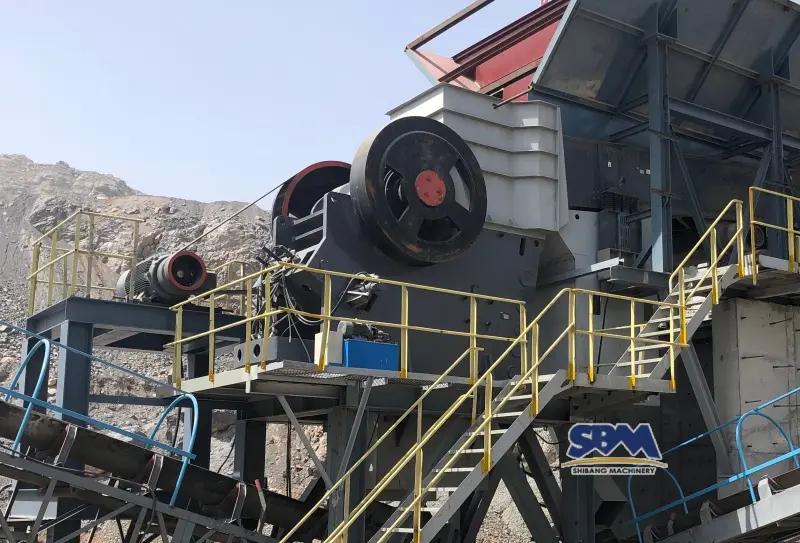
Многие гранитные дробильные установки в реальной эксплуатации никогда не достигают проектной мощности.. На бумаге, линия может быть рассчитана на 200 или 300 тонн в час, but in practice it struggles at 60–80 % of that. For plant owners, this is a painful problem: fixed costs stay the same, but every hour of lost output means wasted opportunity. This guide focuses on practical ways to increase granite crusher capacity and overall plant efficiency, using PE jaw crushers and cone processes as benchmarks. The central question of this article is: “How to get more tons per hour from an existing granite production line?”
Шаг 1: Check if Your Bottleneck Is Really the Crusher
Before adjusting CSS or adding equipment, you must first figure out: is it really a case of “the crusher being too small,” or is something else holding you back? Common bottlenecks include:
- Feeding system
- Small or poorly controlled feeder, bridge in the hopper, or narrow chute limiting flow.
- Скрининг и рециркуляция
- Blocked or undersized screens sending too much material back to the crusher.
- Конвейеры
- Conveyors running at their limit, causing spillage or forcing reduced feed.
- Operational patterns
- Many short stops, slow start-ups, or large gaps between truck loads.
Only after confirming that the jaw or cone is the true bottleneck should you focus on crusher-side improvements; otherwise, you risk “tuning the wrong machine” while the real restriction remains elsewhere.
Шаг 2: Increase PE Jaw Crusher Capacity on Granite
For PE series jaw crushers working in granite, capacity depends on more than just nameplate rating. Several controllable factors can unlock extra throughput:
1. Optimize CSS and Discharge Settings
- Slightly increasing CSS can reduce blockages and allow more material to pass through, often raising effective tph without major shape issues at the primary stage.
- Avoid running with an excessively tight CSS “for smaller size” if it chokes the chamber and causes frequent stops.
2. Improve Feeding Conditions
- Continuous, даже кормить имеет важное значение. Big waves—full for a minute, empty the next—lower average capacity and increase stress.
- Use a properly sized vibrating feeder with adjustable speed to keep a steady flow of granite into the jaw.
3. Remove Unnecessary Fines and Mud
- Fines and sticky material occupy chamber volume but contribute little to useful crushing; they can also cause packing and reduce throughput.
- Install or improve grizzly bars or pre-screening to remove soil and very small particles before the jaw.
4. Maintain Jaws and Bearings
- Worn jaw plates reduce effective opening and crushing efficiency. Changing or flipping them on schedule helps maintain capacity.
- Check bearings and lubrication; overheating or rough running increases friction and can limit speed and load.
These actions often recover a significant portion of “missing capacity” without changing the jaw model.
Шаг 3: Boost Cone Crusher Capacity in a Granite Line
In many granite production lines, the real bottleneck is often the second-stage cone crusher, not the jaw crusher. Optimizing the cone crusher is crucial for increasing overall line output.
1. Ensure Proper Choke Feeding
- A cone crusher is most efficient when the crushing chamber is kept full (choke fed).
- Thin or fluctuating feed layers cause reduced capacity, poor shape, and uneven liner wear.
2. Match CSS and Chamber to the Target Product
- Running with an extremely tight CSS to chase very small sizes may overload the cone and create too many fines and recirculation.
- Иногда slightly opening the CSS and adjusting screen apertures yields more sellable tons with a smoother, lighter load.
3. Control Recirculation Load
- If the screen is sending too much material back to the cone, the machine spends energy on re-crushing instead of producing new tons.
- Check screen apertures, condition, and deck inclination; small changes can significantly affect the recirculating load.
4. Keep Liner Profile and Condition Suitable
- Severely worn liners reduce actual chamber volume and change crushing behavior, limiting capacity.
- Choose the correct liner profile (грубый, середина, отлично) for your feed and desired output; the wrong profile can create bottlenecks.
Шаг 4: Increase Overall Granite Plant Efficiency
Even if individual machines are already optimized, there is still significant room for improvement in overall line efficiency. This can be addressed from the following aspects:
1. Reduce Unplanned Downtime
- Analyze production logs to identify frequent stoppage reasons: blockages, mechanical issues, power trips, и т. д..
- Address root causes with better maintenance planning, improved feeding, or changes to operating procedures.
2. Shorten Start-up and Shutdown Losses
- Many plants lose 0.5–1 hour everyday just on slow start-ups and early shutdowns.
- Implement a clear start/stop sequence and operator checklist to bring the line to full load quickly and shut it down only after clearing material.
3. Balance All Stages
- If the jaw is capable of 250 TPH, but the cone can only handle 180 TPH, the extra capacity at the primary is wasted.
- Use feeders, Настройки CSS, and screen adjustments to align the flow so each stage runs near its optimal range without overloading.
4. Monitor Key Performance Indicators (KPIs)
- Track simple KPIs: тонн в час, tons per day, энергопотребление, downtime hours, and tons per liner set.
- Small improvements in each KPI combine to create noticeable capacity gains over weeks and months.
Шаг 5: When Is It Time to Add or Upgrade Equipment?
If the settings and operations have been optimized, but the output is still significantly lower than market demand, then you can consider “adding equipment or replacing equipment”.
- Signs you may need an upgrade or addition:
- Demand is consistently higher than current plant capacity, even when running well.
- Jaw or cone runs near maximum ampere and cannot be improved further by settings.
- Recirculation is high even with optimized screens and CSS.
- Planned expansions (new contracts, additional concrete plants) require higher guaranteed output.
- Options to consider:
- Upgrading the jaw to a larger PE model to handle more feed.
- Adding a second cone in parallel or using a two-stage cone system (грубый + отлично).
- Adding a VSI or impact unit for shaping so the cone can focus more on pure throughput.
If you’re planning to add or replace equipment, you can read these contents:
FAQs About Increasing Granite Crusher Capacity
1. My granite plant reaches design capacity only for short periods—what should I check first?
Start with the simplest checks: feed continuity, Настройки CSS, screen cleanliness, and recirculation. Many plants can briefly hit design tph, but average production stays low because of frequent small stops, blockages, or unbalanced stages. Stabilizing these factors often raises effective capacity without new machines.
2. Can I increase capacity just by tightening the CSS on jaw or cone crushers?
Tightening CSS usually gives smaller product, not always higher capacity. On hard granite, an overly tight CSS can reduce throughput, increase fines and liner wear, and raise recirculation. It is often better to find a balanced CSS and adjust screens and downstream stages to achieve both target size and higher tons per hour.
3. Is adding another crusher always the best way to boost capacity?
Not necessarily. Many granite plants gain 10–30 % extra capacity through better feeding, CSS optimization, improved screening, and planned maintenance. Only after these low-cost measures are implemented and measured should you consider major investments like a larger jaw, additional cone, or tertiary stage.