E-posta: satış@mill-sbm.com

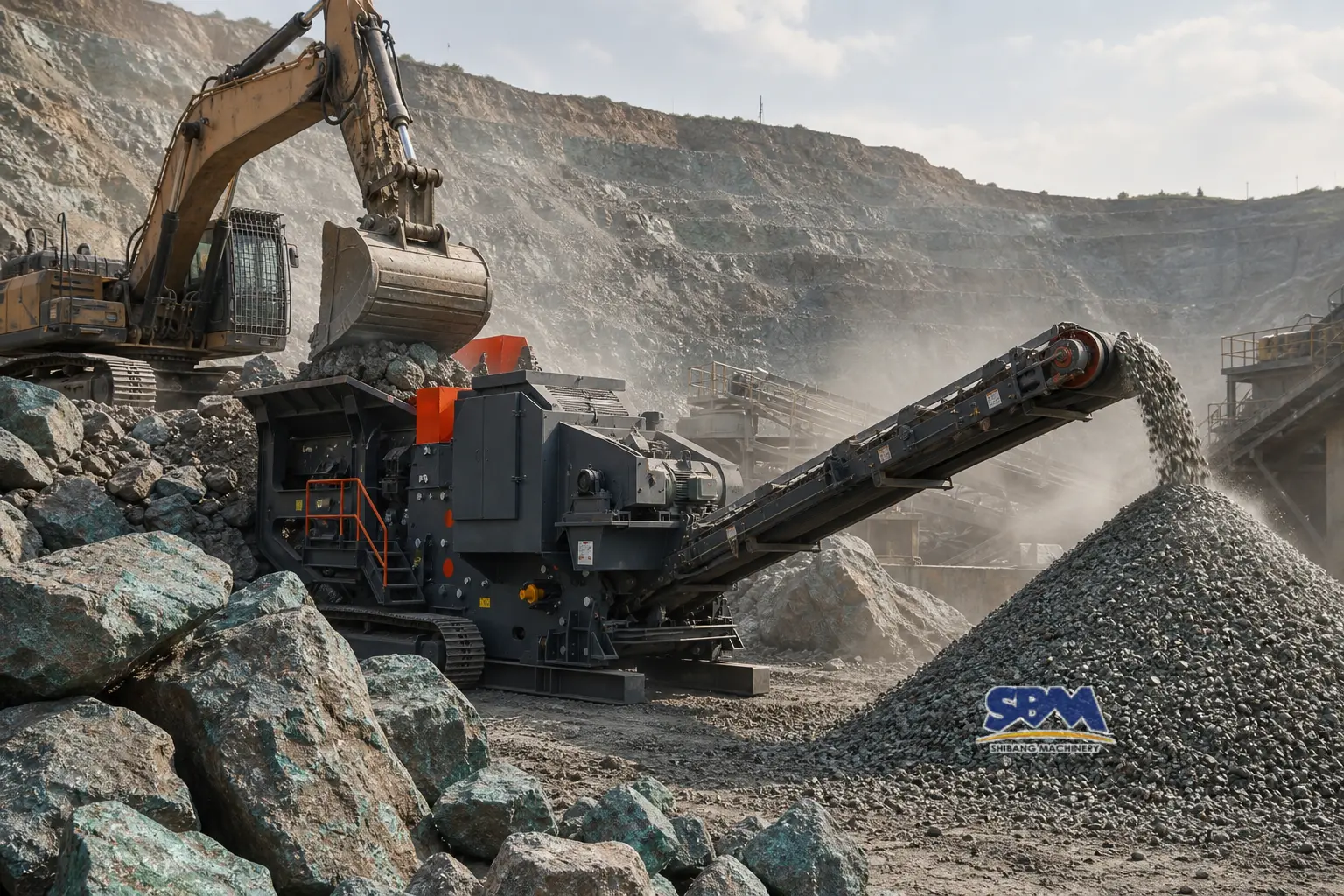
Extracting metals from ores starts long before smelting or leaching — it begins with breaking down raw rock into a form that downstream processes can actually use. This guide focuses on the crushing and grinding stages of ore beneficiation, the mechanical foundation that determines how efficiently metals can later be separated and recovered.
Why Crushing and Grinding Matter in Metal Extraction
Before any chemical or physical separation method can work, ore must be reduced in size so that valuable minerals are liberated from waste rock. Without proper size reduction, flotasyon, manyetik ayrılık, and leaching all become less effective, and metal recovery rates drop. Öyleyse, crushing and grinding are not preparation steps — they are core determinants of overall extraction efficiency.
Adım 1: Primary Crushing of Raw Ore
Primary crushing reduces large blasted rock into manageable sizes, typically using çeneli kırıcılar veya kız kırıcılar. This stage handles the hardest, largest material straight from the mine, so equipment must be built for high impact and abrasive wear. Sonuç olarak, most mineral processing plants place a robust jaw crusher at the very front of the flowsheet to protect downstream machinery from oversize rock.
Adım 2: Secondary and Tertiary Crushing
Birincil kırma işleminden sonra, cone crushers or impact crushers further reduce particle size to prepare ore for grinding. This stage improves particle shape and uniformity, which directly affects grinding efficiency later on. Ek olarak, controlling the closed-side setting at this stage helps operators manage final product size before material enters the mill.
Adım 3: Grinding to Liberate Metal-Bearing Minerals
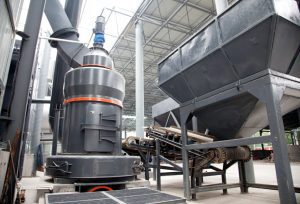
Bileme, usually performed with ball mills or rod mills, reduces ore to a fine powder so that individual mineral particles are separated from surrounding rock. This is the stage where most metal liberation actually happens, since flotation and other separation methods require particles fine enough to expose valuable minerals. Consequently, grinding circuit design has a major impact on the overall metal recovery rate.
Adım 4: Classification and Circuit Optimization
Hydrocyclones or spiral classifiers separate correctly sized particles from oversize material, sending coarse particles back to the mill for further grinding. This closed-loop process ensures consistent particle size distribution, which is critical for efficient downstream separation. Dahası, well-optimized classification reduces energy consumption and prevents over-grinding, which can waste both time and money.
How Crushing and Grinding Affect Metal Recovery
| Sahne | Main Equipment | Amaç | Impact on Extraction |
|---|---|---|---|
| Birincil ezme | Çene kırıcı | Reduce large blasted rock | Protects downstream equipment, sets feed size |
| İkincil ezme | Cone/Darbeli kırıcı | Daha fazla boyut küçültme | Improves particle shape and uniformity |
| Bileme | Ball mill/rod mill | Liberate metal-bearing minerals | Directly determines recovery rate |
| Sınıflandırma | Hydrocyclone/classifier | Control particle size distribution | Improves separation efficiency, saves energy |
Common Metal Ores and Their Processing Needs
Etraflı, different metal ores require different crushing and grinding approaches depending on hardness, mineral association, and target particle size. Örneğin, iron ore often requires coarser grinding compared to gold ore, which typically needs finer liberation to expose microscopic gold particles. benzer şekilde, copper ore processing usually depends on achieving a specific particle size range to optimize flotation performance.
Choosing the Right Equipment for Ore Beneficiation
Öyleyse, selecting crushers and mills should be based on ore hardness, yem boyutu, required product fineness, and target production capacity. Consulting with an experienced equipment supplier can help match machine specifications to actual site conditions rather than relying on generic recommendations. This matters because undersized or mismatched equipment often leads to higher operating costs and lower metal recovery over the plant’s lifetime.
SSS
What is the first step in extracting metals from ores?
The first step is primary crushing, which breaks large blasted rock into smaller, manageable pieces using equipment such as jaw crushers or gyratory crushers.
Why is grinding necessary after crushing in metal extraction?
Grinding reduces ore to a fine powder so that individual metal-bearing minerals are physically separated from waste rock, which is essential for effective flotation, liç, or magnetic separation.
What equipment is commonly used for grinding ore?
Ball mills and rod mills are the most common grinding equipment, chosen based on ore hardness, required fineness, and production capacity.
Does crushing and grinding affect metal recovery rate?
Evet. Poor size reduction can leave valuable minerals locked inside waste rock, directly lowering the amount of metal that can be recovered in later processing stages.
How is particle size controlled during grinding?
Classification equipment such as hydrocyclones or spiral classifiers separates correctly sized particles from oversize material, sending coarse particles back for further grinding.
Can the same crushing and grinding process be used for all metal ores?
HAYIR. Different ores, such as iron, bakır, and gold, require different crushing and grinding parameters based on hardness, mineral association, and target particle size.