E-mail: [email protected]

Proper lubrication helps jaw crusher bearings operate reliably under heavy loads, bụi, rung động, and changing temperatures. Tuy nhiên, jaw crusher bearing lubrication is not a one-size-fits-all task.
To lubricate jaw crusher bearings correctly, first shut down and isolate the machine. Then use the grease type, Số lượng, interval, and lubrication sequence specified in the OEM manual for your exact crusher model. Apply clean, compatible grease through the approved lubrication points, restart the crusher safely, and monitor for abnormal temperature, tiếng ồn, rung động, or grease leakage.
The correct lubrication practice depends on the crusher model, bearing arrangement, Hệ thống bôi trơn, material conditions, giờ hoạt động, ambient temperature, and contamination risk.
Bài học chính
- Always follow the lubrication instructions for your exact jaw crusher model.
- Check whether your crusher uses grease lubrication, thin oil lubrication, or an automatic lubrication system.
- Clean grease fittings and nearby surfaces before applying lubricant.
- Do not mix different greases unless the lubricant manufacturer confirms compatibility.
- Apply grease gradually and avoid overgreasing.
- Track lubricant use, bearing condition, temperature trends, and maintenance findings.
- Stop the crusher and inspect it if you notice unusual noise, sustained temperature rise, severe grease leakage, or abnormal vibration.
Why Jaw Crusher Bearing Lubrication Matters
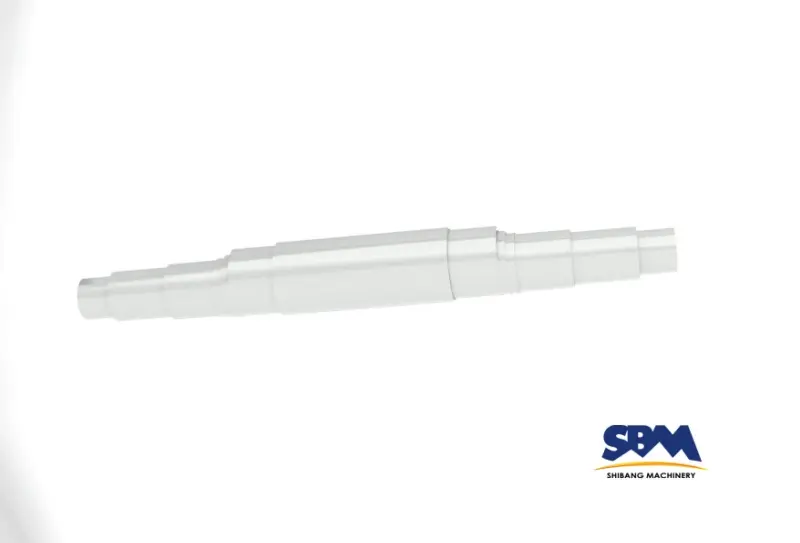
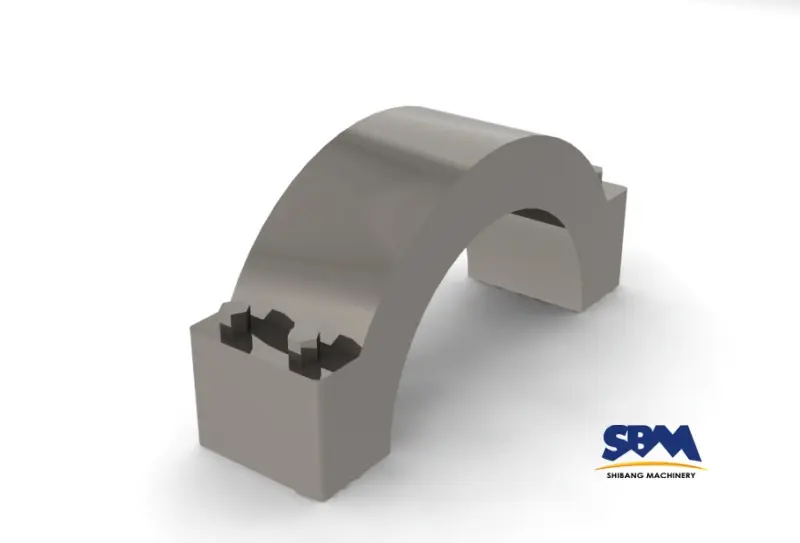
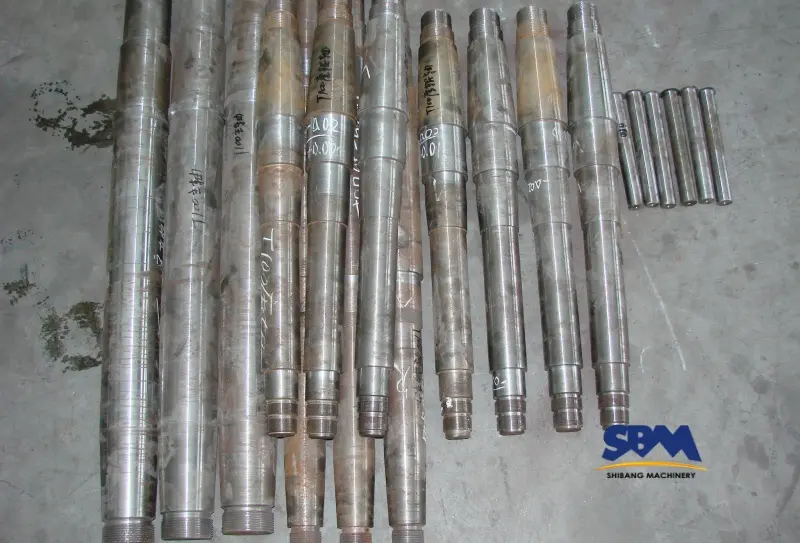
Jaw crusher bearings support key moving components, including the eccentric shaft and movable jaw assembly. Trong quá trình nghiền, these bearings operate under repeated heavy loads and are exposed to dust, rung động, and potential moisture contamination.
The right lubricant creates a protective film between rolling elements and raceways. It also helps reduce friction, limit wear, protect against corrosion, and carry contaminants away from sensitive bearing surfaces.
Poor lubrication can contribute to overheating, seal damage, contamination, increased wear, and unplanned maintenance. Tuy nhiên, adding more grease does not automatically solve a lubrication problem. Too much grease can cause churning, generate heat, and force grease past seals.
Vì lý do này, operators should follow an OEM-based maintenance routine instead of using a generic lubrication schedule.
Before You Lubricate: Identify Your Crusher System
Before adding grease or oil, confirm the lubrication arrangement installed on your jaw crusher. Different systems require different procedures.
Grease-Lubricated Jaw Crushers
Many jaw crushers use grease to lubricate their main bearings and related components. Grease-lubricated systems may use manual grease fittings, centralized lubrication lines, or automatic lubrication pumps.
For these systems, maintenance teams need to confirm:
- Approved grease type and grade
- Lubrication-point locations
- Lubrication interval
- Recommended quantity per point
- Grease-purge procedure
- Seal condition
- Whether the system is manual or automatic
Thin Oil Lubrication Systems
Some larger jaw crushers use an oil-based lubrication system. These systems may include an oil tank, bơm, filter, cooler, pressure gauge, and return line.
Oil-system maintenance may include:
- Checking oil level
- Monitoring oil pressure
- Inspecting filters
- Checking for leaks
- Confirming oil cleanliness
- Monitoring oil temperature
- Following the specified oil-change interval
Do not apply grease to a component that is designed for oil lubrication. Always check the machine manual before performing maintenance.
Manual and Automatic Lubrication
Manual lubrication requires an operator to apply grease at scheduled intervals. Automatic lubrication systems deliver lubricant through programmed cycles.
Các SBM C6X Jaw Crusher uses centralized grease lubrication and can be configured with manual or automatic grease lubrication according to operating needs. The applicable lubricant, service frequency, and procedure should always match the installed configuration and the product manual.
Safety Steps Before Lubricating a Jaw Crusher
Never lubricate a jaw crusher without following site safety procedures. Before beginning work, complete the following steps.
1. Stop the Crusher
Shut down the crusher using the approved operating sequence. Allow all rotating and moving parts to stop completely.
2. Isolate Energy Sources
Apply your site’s lockout/tagout procedure. Isolate electrical, thủy lực, khí nén, and other stored-energy sources before accessing lubrication points.
3. Wear Appropriate PPE
Use the personal protective equipment required by your site, which may include:
- Safety glasses
- Protective gloves
- Safety footwear
- Hearing protection
- Protective clothing
- Respiratory protection where dust conditions require it
4. Clean the Work Area
Remove loose material, spilled grease, tools, and trip hazards from the work area. Confirm that guards and access platforms are safe before starting maintenance.
5. Check the Maintenance Record
Review the previous lubrication record before servicing the machine. Confirm the last lubrication date, grease type, quantity used, observed issues, and any maintenance recommendations.
For more operational safety guidance, nhìn thấy Safe Operating Procedure for Jaw Crushers.
How to Lubricate Jaw Crusher Bearings Step by Step
Bước chân 1: Review the OEM Manual
Start with the manual for your exact jaw crusher model. Confirm:
- Bearing locations
- Approved lubricant
- Lubrication method
- Lubrication interval
- Recommended grease quantity
- Operating-temperature guidance
- Inspection requirements
- Grease compatibility requirements
Do not use a generic grease schedule as a substitute for the machine manual.
Bước chân 2: Inspect Grease Fittings and Lubrication Lines
Before connecting a grease gun or checking an automatic lubrication system, inspect each lubrication point.
Look for:
- Damaged grease fittings
- Clogged lubrication lines
- Loose hoses or connectors
- Grease leakage
- Damaged seals
- Accumulated dust or debris
- Hardened grease around fittings
- Signs of water ingress
Clean grease fittings and surrounding surfaces before applying fresh grease. This reduces the risk of pushing dust or contamination into the bearing housing.
Bước chân 3: Verify the Grease Type
Use only the lubricant specified by the crusher manufacturer or approved by your maintenance team.
When selecting or confirming grease, check:
- NLGI consistency grade
- Base-oil viscosity
- Thickener type
- Extreme-pressure performance
- Water resistance
- Operating-temperature range
- Compatibility with the existing grease
Do not assume that two greases are compatible because they have the same color or NLGI grade. Different grease thickeners and base oils can react differently when mixed.
If you need to change grease type, follow the crusher manufacturer’s changeover procedure. This may involve removing old grease, cleaning lubrication lines, purging the system, and monitoring bearing behavior after restart.
Bước chân 4: Apply Grease Gradually
Apply grease slowly through the approved lubrication point. Use the quantity and frequency stated in the OEM manual for your jaw crusher model.
Avoid rapid or excessive grease application. Overgreasing can increase internal churning, raise bearing temperature, damage seals, and cause grease leakage.
Do not rely on a universal grease-quantity formula for jaw crushers. The correct amount depends on bearing size, bearing-housing design, seal arrangement, lubrication method, operating speed, load, and environmental conditions.
SKF provides different grease-replenishment guidance depending on whether lubrication enters from the side of the bearing or through holes in the bearing rings. Its calculations use bearing-specific dimensions and lubrication conditions, not a universal crusher rule.
Bước chân 5: Check for Proper Grease Movement
After applying grease, inspect the lubrication point and surrounding area.
Confirm that:
- Grease enters the system normally
- Lubrication lines are not blocked
- There is no excessive pressure buildup
- Seals remain intact
- Old grease can purge where the manufacturer’s design allows it
- No abnormal leakage appears around the bearing housing
If grease does not flow as expected, stop and inspect the lubrication line or fitting. Do not force grease into a blocked system.
Bước chân 6: Reinstall Guards and Restart Safely
After lubrication:
- Remove grease guns, tools, and cleaning materials.
- Reinstall all guards and access covers.
- Confirm that the work area is clear.
- Remove lockout/tagout devices according to site procedure.
- Restart the crusher following the approved operating sequence.
Never restart the crusher until all personnel are clear of the machine.
Bước chân 7: Monitor Bearing Condition
After restart, monitor the crusher for changes from its normal operating condition. Theo dõi:
- Unusual bearing noise
- A rapid or sustained temperature increase
- Rung động bất thường
- Excessive grease leakage
- Smoke or burning smell
- Irregular crusher movement
- Reduced crushing performance
Use the normal baseline values and alarm limits established for your specific machine or site condition-monitoring program. Do not apply one universal temperature or vibration limit to every jaw crusher.
Bước chân 8: Record the Maintenance Work
Document every lubrication task. A detailed record helps your team identify changes before they become failures.
Your record should include:
| Item | What to record |
|---|---|
| Date and time | When the lubrication was completed |
| Crusher model | Exact machine model and serial number, if available |
| Bearing location | Main bearing, eccentric shaft bearing, or other point |
| Lubricant | Thương hiệu, product name, cấp, and batch number where required |
| Số lượng | Amount applied, based on OEM instructions |
| Operator | Name or ID of the technician |
| Inspection findings | Leakage, seal condition, nhiệt độ, tiếng ồn, rung động, contamination |
| Follow-up action | Repairs, inspections, or monitoring required |
How Much Grease Should You Add
Use the grease quantity stated in the OEM manual for your exact jaw crusher model.
If the manual does not specify a quantity, contact the crusher manufacturer or bearing supplier before creating a maintenance standard. The correct quantity depends on the bearing arrangement, lubrication method, housing design, free internal volume, con dấu, operating speed, load, and environmental conditions.
Do not completely fill a bearing housing unless the manufacturer specifically instructs you to do so. Excess grease can increase churning and heat generation, damage seals, and cause lubricant leakage.
SKF’s bearing-lubrication guidance demonstrates why a single formula is not suitable for every application: replenishment quantities differ depending on how grease is introduced into the bearing and require bearing-specific inputs.
How Often Should You Lubricate Jaw Crusher Bearings
Set lubrication intervals according to your jaw crusher’s OEM manual and actual operating conditions.
The correct interval can change based on:
- Crusher model and bearing design
- Manual or automatic lubrication system
- Operating hours
- Feed material hardness
- Tải máy nghiền
- Ambient temperature
- Dust level
- Moisture or water exposure
- Grease type
- Seal condition
- Bearing temperature and vibration trends
A crusher operating in wet, bụi bặm, high-load, or high-temperature conditions may require a different maintenance approach from the same machine operating in a cleaner environment.
Review lubrication intervals after major operating changes, chẳng hạn như:
- Switching material type
- Increasing throughput
- Changing operating hours
- Relocating the crusher
- Operating in rainy or humid conditions
- Experiencing repeated contamination or seal failure
How to Choose Grease for Jaw Crusher Bearings
The best grease for a jaw crusher bearing is the grease specified by the OEM for the actual crusher model and operating environment.
When reviewing a lubricant recommendation, consider the following factors.
Operating Temperature
The grease must remain stable at the temperatures expected during operation. Very cold or very hot environments may require different base-oil viscosity or grease consistency.
Load and Shock
Jaw crushers create high loads and repeated shock. The approved grease should provide suitable load-carrying performance for the bearing design and duty cycle.
Dust and Moisture Exposure
Quarry and mining environments can expose bearings to dust, Nước, and fine particles. Proper sealing and the correct grease help reduce contamination risk.
Compatibility
If the machine already contains grease, confirm compatibility before adding a different product. Mixing incompatible greases can alter consistency, reduce lubricant performance, or contribute to oil separation.
OEM Approval
The product manual takes priority. Use the approved specification rather than choosing a grease solely by price, màu sắc, or availability.
Signs of Under-Lubrication
Under-lubrication may contribute to increased friction and bearing wear. Inspect the crusher if you observe:
- Increasing bearing temperature
- Dry or discolored grease
- Unusual grinding or rumbling noise
- Rung động bất thường
- Reduced grease purge where it is normally expected
- Signs of bearing wear
- Repeated seal damage
- Increased power consumption without another clear cause
These signs do not always prove that lubrication is the only issue. Misalignment, excessive load, contamination, seal failure, or bearing damage can create similar symptoms.
Signs of Over-Lubrication
Over-lubrication can also create problems. Theo dõi:
- Excessive grease leakage
- Damaged or displaced seals
- High bearing temperature after greasing
- Grease accumulation around bearing housings
- Churning noise
- Grease pushed into areas where it should not be present
If you suspect overgreasing, do not continue adding lubricant. Follow the OEM procedure or contact a qualified technician for inspection.
Signs of Grease Contamination
Contaminated grease can damage bearings even when the correct amount has been applied. Check for:
- Gritty texture
- Water contamination
- Milky appearance
- Rust-colored grease
- Metallic particles
- Unusual darkening
- Foreign material around grease fittings
- Damaged seals or breathers
If contamination is present, investigate the source. Possible causes include poor fitting cleanliness, damaged seals, water ingress, improper storage of grease cartridges, or dirty lubrication equipment.
Common Jaw Crusher Lubrication Mistakes
Avoid these common maintenance errors.
Using a Generic Lubrication Interval
Do not lubricate every jaw crusher on the same schedule. Use the interval in the manual for the exact model and adjust only through an approved maintenance review.
Mixing Greases Without Checking Compatibility
Different greases may use different thickener systems and base oils. Verify compatibility before mixing products.
Overgreasing the Bearings
More grease is not always better. Apply only the approved amount and monitor the machine after service.
Ignoring Damaged Seals
A damaged seal can allow dust and moisture into the bearing housing. Replace damaged seals before contamination causes more serious damage.
Lubricating Dirty Fittings
Clean the grease fitting before connecting the grease gun. Dirt around the fitting can enter the lubrication system during service.
Treating High Temperature as a Normal Condition
A repeated temperature increase requires investigation. Do not repeatedly add more grease without checking for contamination, incorrect lubricant, blocked lines, bearing wear, excessive load, or alignment issues.
Failing to Keep Records
Without maintenance records, teams cannot identify changes in grease use, temperature trends, repeated failures, or contamination patterns.
For broader troubleshooting guidance, read Các vấn đề và giải pháp của máy nghiền hàm thông thường.
When Should You Stop the Crusher
Stop the jaw crusher and arrange an inspection if you observe:
- Rapid or sustained abnormal bearing-temperature rise
- Unusual rumbling, mài, or knocking noise
- Severe or sudden grease leakage
- Visible seal damage
- Blocked lubrication lines
- Smoke or burning odor
- Metallic particles in grease
- Rung động bất thường
- Repeated bearing alarms
- Unexpected changes in crusher movement or output
Do not attempt to correct persistent symptoms by repeatedly adding grease. The root cause may involve contamination, incorrect lubricant, excessive load, misalignment, damaged seals, a faulty lubrication system, or bearing damage.
Jaw Crusher Bearing Lubrication Checklist
Use this checklist during routine maintenance.
| Check item | Status |
|---|---|
| Crusher stopped and isolated | ☐ |
| Correct OEM manual reviewed | ☐ |
| Approved lubricant confirmed | ☐ |
| Grease fittings cleaned | ☐ |
| Lubrication lines inspected | ☐ |
| Seals checked for damage or leakage | ☐ |
| Grease applied gradually | ☐ |
| Quantity recorded | ☐ |
| Guards reinstalled | ☐ |
| Crusher restarted safely | ☐ |
| Nhiệt độ, tiếng ồn, rung động, and leakage checked | ☐ |
| Maintenance record completed | ☐ |
Related Jaw Crusher Maintenance Resources
Proper bearing lubrication works best as part of a complete maintenance plan. You may also find these guides helpful:
Câu hỏi thường gặp
What grease should I use for jaw crusher bearings?
Use only the grease type and specification approved for your specific jaw crusher model. The correct grease depends on bearing design, operating temperature, load, tốc độ, con dấu, và điều kiện địa điểm.
How often should I lubricate jaw crusher bearings?
Follow the lubrication interval in the OEM manual for your exact crusher model. Review the interval when operating conditions change, such as increased dust, water exposure, load, or operating hours.
Can overgreasing damage jaw crusher bearings?
Đúng. Excess grease can increase churning, raise temperature, damage seals, and cause grease leakage. Apply grease gradually and only in the quantity specified by the manufacturer.
Can I mix different bearing greases?
Do not mix greases unless the lubricant manufacturer confirms compatibility. Different thickener systems and base oils may not perform properly when combined.
Why are my jaw crusher bearings overheating?
Possible causes include incorrect grease, too much or too little grease, contamination, damaged seals, blocked lubrication lines, excessive load, misalignment, or bearing damage. Stop and inspect the crusher if operating condition changes from its normal baseline.
What should I do if grease does not enter the bearing?
Do not force grease into the system. Inspect the grease fitting, lubrication line, bơm, and purge path for blockage or damage. Follow the OEM procedure or contact a qualified service technician.
Need Help With Jaw Crusher Maintenance?
Correct bearing lubrication depends on your crusher model, bearing arrangement, material conditions, ambient environment, and installed lubrication system. SBM can help customers identify the appropriate maintenance information for their equipment and operating conditions.
Contact SBM’s technical team for jaw crusher support, phụ tùng thay thế, maintenance guidance, and crushing-plant solutions.
Written by:
SBM Technical Content Team
SBM’s technical content team develops practical resources on crushing, sàng lọc, mài, Sand được sản xuất, and mineral-processing equipment.
Technically reviewed by:
SBM Crushing Equipment Engineering Team
Reviewed for technical accuracy by engineers experienced in crusher selection, lubrication systems, thiết kế quy trình, vận hành thử, và bảo trì.
Last reviewed: Tháng tám 2026
Editorial note:
Lubrication requirements vary by crusher model, bearing arrangement, ambient conditions, operating load, and installed lubrication system. Always refer to the applicable OEM manual and site safety procedures before servicing equipment.