E-mail: [email protected]

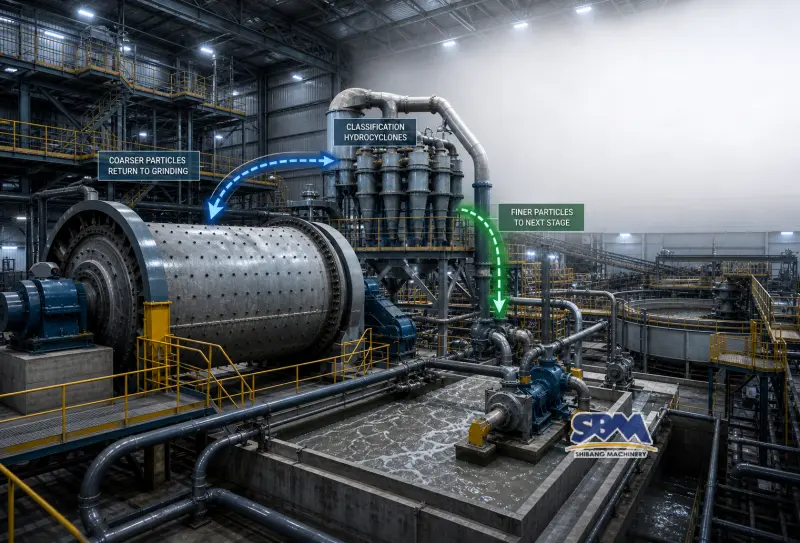
Classification efficiency has a direct impact on grinding circuit performance, sử dụng năng lượng, và phục hồi cuối cùng. Kết quả là, if classification is poor, fine particles stay in the circuit too long, coarse particles may leave too early, and the plant wastes both power and capacity.
Trong chế biến quặng kim loại, classification is not a secondary detail. It controls how material moves through the grinding circuit and helps determine whether the plant reaches the target particle size needed for mineral liberation.
What Is Classification Efficiency?
Classification efficiency refers to how well a separator, usually a hydrocyclone or screen, separates fine particles from coarse particles. A high-efficiency classification system sends fine material forward to the next stage and returns only coarse material for more grinding.
Tuy nhiên, when classification efficiency is low, the circuit becomes less stable. Fine particles may continue circulating through the mill, while some coarse particles may bypass the grinding target and reduce downstream recovery.
Why Classification Efficiency Matters?
A grinding circuit does not depend on the mill alone. It depends on the relationship between the mill and the classification stage.
When classification works well, the circuit gains several advantages:
- Better control of final product size.
- Lower risk of overgrinding.
- More stable throughput.
- Lower energy waste.
- Improved downstream separation performance.
Ngược lại, poor classification often causes high circulating load, excessive fines, and inconsistent product size. These problems reduce plant efficiency even if the mill itself appears to be operating normally.
Common Signs of Poor Classification
Many plants do not recognize classification problems immediately because the issue often looks like a grinding problem. Trong thực tế, the warning signs usually appear in the overall circuit performance.
Common signs include:
- Product size becomes unstable.
- Power consumption increases without a clear throughput gain.
- Recovery falls even when grind size appears finer.
- Hydrocyclone overflow contains too much coarse material.
- The circuit generates excessive slimes.
- Circulating load remains unusually high.
When several of these signs appear together, classification should be one of the first areas to review.
Main Causes of Low Classification Efficiency
Trong hầu hết các trường hợp, low classification efficiency comes from a combination of operating and design factors rather than one single issue.
The most common causes are:
- Inconsistent feed to the cyclone or screen.
- Incorrect feed density.
- Unstable pressure in the classification system.
- Worn cyclone parts or damaged internal liners.
- Poor match between cyclone size and circuit capacity.
- Ore variability that changes particle behavior.
Kết quả là, if these factors are not controlled, the plant may continue adjusting the mill while the real problem remains in the classification stage.
How to Improve Classification Efficiency?
Stabilize the feed
Stable feed is the foundation of stable classification. Large swings in tonnage, water addition, or solids density make it harder for the classifier to separate particles correctly.
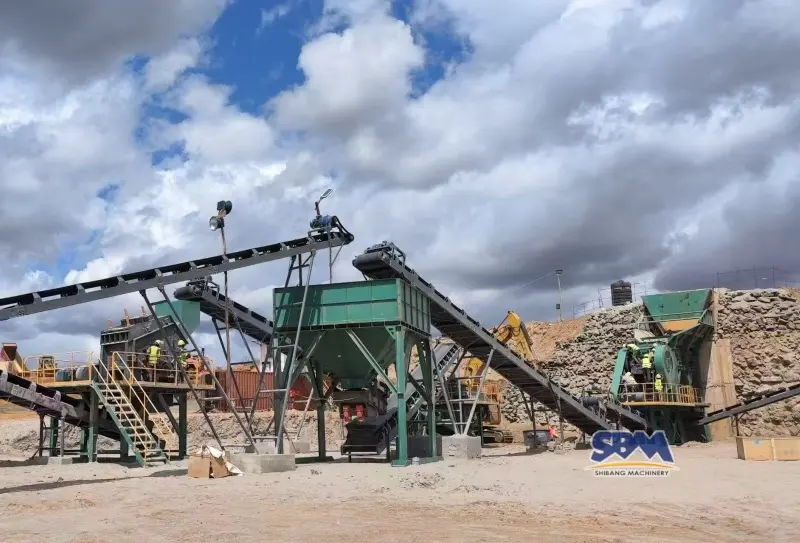
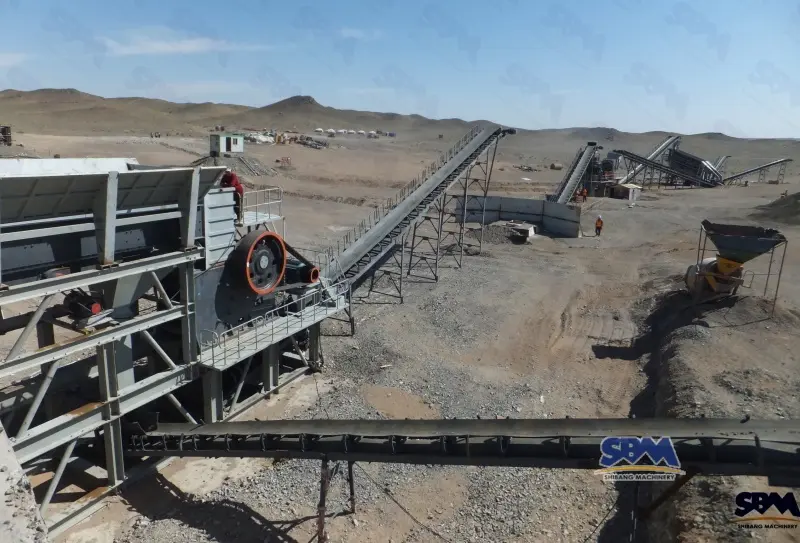
The plant should first check whether the metal ore crushing process is delivering a consistent product to the grinding stage. Even a well-designed classification system cannot perform well with unstable upstream feed.
Control slurry density
Classification performance depends heavily on feed density. If the slurry is too thick or too thin, separation becomes less accurate and cut size control becomes weaker.
Operators should monitor density regularly and adjust water balance with care. This is one of the simplest ways to improve circuit consistency.
Maintain correct pressure
Hydrocyclones need stable operating pressure to separate particles effectively. Pressure that is too low or too high can shift the cut size and reduce separation quality.
This is why pressure monitoring should be part of routine circuit checks. Small pressure changes can create noticeable differences in product size.
Inspect wear parts
Cyclone liners, apexes, and vortex finders wear over time. As wear increases, classification accuracy often drops even if the circuit settings remain unchanged.
Routine inspection helps the plant detect performance loss before it becomes a larger recovery problem. Wear-related losses are common in abrasive metal ore circuits.
Match classification target to recovery needs
The finest possible classification result is not always the best one. The goal is to produce the particle size that supports the best downstream recovery.
Plants should link classification targets to liberation data, flotation response, or other recovery measurements. That keeps the circuit focused on economic results rather than only on size reduction.
Plant-Level Advice
Tổng thể, the best way to improve classification efficiency is to treat it as part of the full circuit, not as a separate machine issue. Feed consistency, mill operation, water balance, ore variability, and classifier condition all need to work together.
If the project is still evaluating equipment capacity and fineness requirements, cái metal ore grinding mill guide is a useful next step. For teams that want a broader process view, cái mineral grinding process article explains how grinding, giải phóng, and recovery connect across the full plant.
In iron ore applications, upstream conditions also affect downstream classification stability. Reviewing the máy nghiền quặng sắt page can help align crushing behavior with the needs of the grinding circuit.
Trong nhiều trường hợp, improving classification gives faster gains than changing the mill itself. It can reduce overgrinding, lower circulating load, and make the whole plant more stable.
Câu hỏi thường gặp
What is classification efficiency in a grinding circuit?
Classification efficiency is the ability of a cyclone or screen to separate fine particles from coarse particles correctly. Good efficiency helps the circuit maintain the target product size.
Why does poor classification reduce recovery?
Poor classification can send coarse particles forward too early and keep fine particles in the mill too long. This reduces liberation control and can increase overgrinding.
What is the most common sign of low classification efficiency?
An unstable product size is one of the most common signs. Many plants also see higher circulating load and rising energy use.
Can hydrocyclone pressure affect classification efficiency?
Đúng. Unstable or incorrect pressure can change the cut size and reduce separation accuracy. That directly affects circuit performance.
Does improving classification reduce overgrinding?
Đúng. Better classification removes fine particles at the right time and prevents them from circulating through the mill again.
How can I improve classification efficiency quickly?
Start by checking feed stability, slurry density, operating pressure, and cyclone wear. These are often the fastest areas to improve.