E-mail: [email protected]

Improving the efficiency of a metal ore crushing circuit is not only about installing a bigger crusher. It is about making the whole system work better, from feed preparation to screen performance and downstream balance. When the circuit is tuned well, the plant can raise throughput, reduce wear, and lower energy cost per ton.
Tại SBM, we see many projects where the crusher itself is not the real bottleneck. The real problem is usually uneven feed, poor classification, or a circuit that is not matched to the ore. That is why efficiency improvement must look at the whole flow, not one machine in isolation.
Why crushing circuit efficiency is important?
A crushing circuit that is well balanced will feed the grinding section with more stable material. That often leads to better downstream liberation, smoother throughput, and lower total comminution cost. If the circuit is unstable, the plant may waste energy, overload screens, and create unnecessary wear on liners and transfer points.
In many mining operations, small improvements in the crushing stage can create a meaningful impact across the full plant. Even modest gains in feed consistency or reduction ratio can improve the performance of later stages.
Start with feed control
The first step in improving efficiency is to stabilize the feed entering the circuit. A crushing plant performs best when the ore flow is steady and the feed size is consistent. If the feed fluctuates too much, the crusher cannot work at its best operating point and the screen can no longer classify material effectively.
Good feed control usually involves proper stockpile management, feeder selection, and basic monitoring of ore size and moisture. In some projects, better blasting or pre-screening can also reduce the amount of oversized material entering the crusher.
Optimize crusher settings
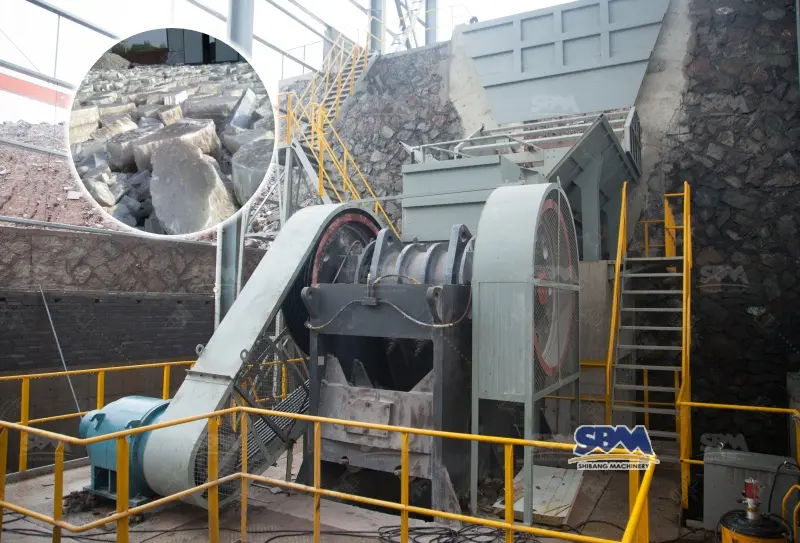
Crusher settings have a direct effect on circuit efficiency. If the chamber, tốc độ, thiết lập mặt đóng, or liner profile is not matched to the ore, the machine may consume more energy than necessary and produce a less useful product. This is especially important in hard and variable metal ore applications.
Vì hàm Và máy nghiền côn, chamber selection and liner condition should be reviewed regularly. For a plant that has changed ore type or production target, a new setting may deliver better throughput and a better product size distribution.
Liên kết kiến thức liên quan
Use screening to protect the circuit
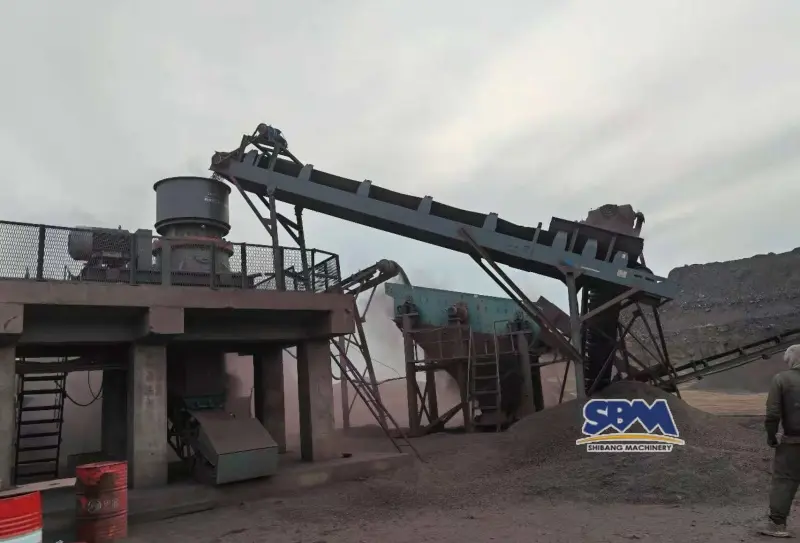
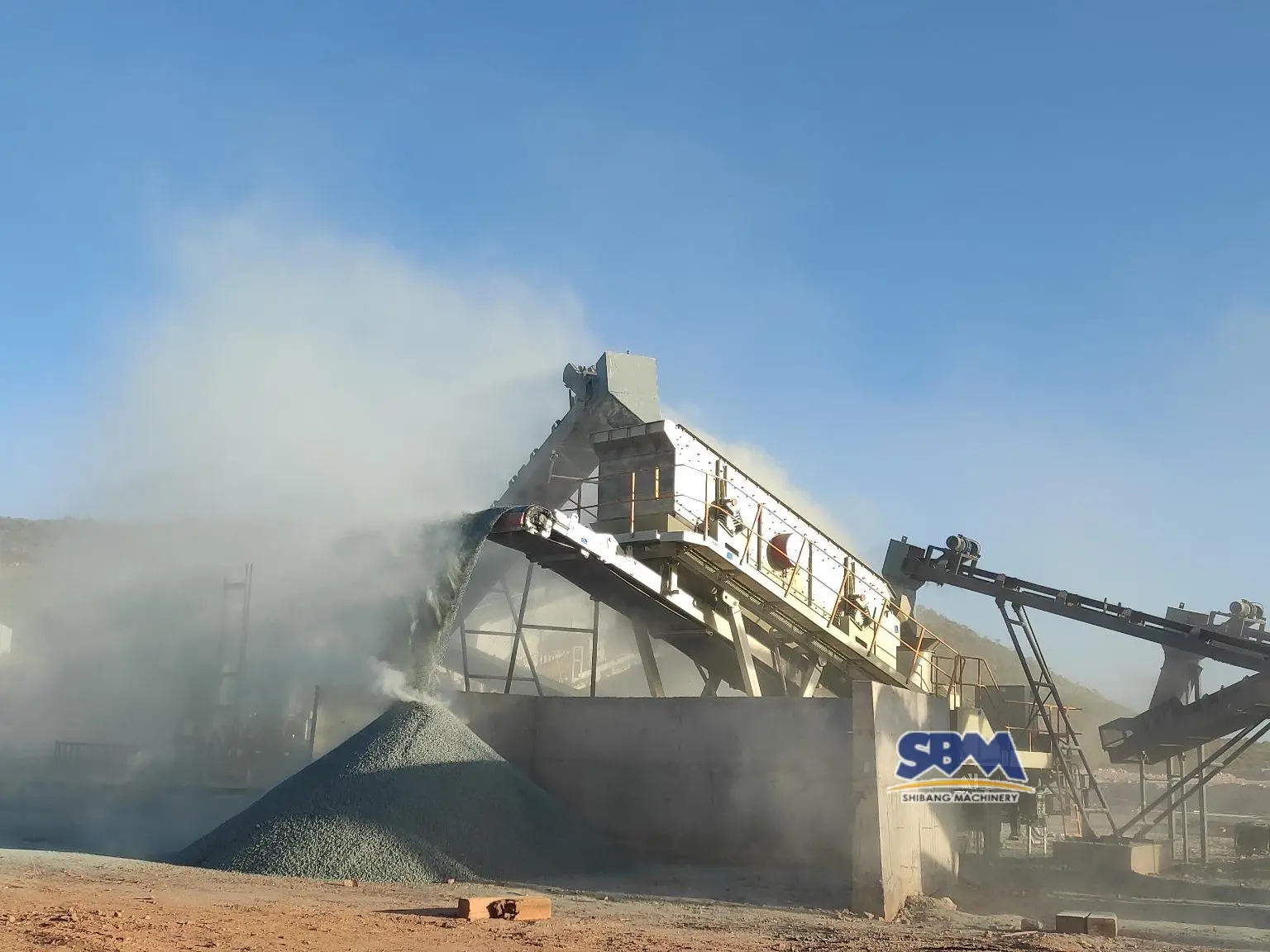
Screening is one of the most important but often underused tools in crushing circuit optimization. A well-designed screen removes already-qualified material early and prevents the crusher from wasting energy on material that is already at the right size. That improves both energy use and wear life.
If the screen aperture is too tight, the circuit can become overloaded. Nếu nó quá mở, the plant may send too much oversize forward and reduce final product quality. The goal is to find the point where the screen and crusher work together as one system.
Balance crushing and grinding
The crushing circuit should always be designed with the grinding circuit in mind. If the crushed product is too coarse, the mill must work harder and total energy use rises. If the product is too fine, the plant may spend extra energy in crushing without enough downstream benefit.
A good metal ore crushing circuit prepares material that supports stable liberation and efficient grinding. That is why many projects use multi-stage crushing and closed-circuit screening to match the needs of the next process.
Consider early waste rejection
One of the strongest efficiency strategies is to reject waste rock before it reaches later comminution stages. If we can remove poor or low-grade materials early on, factories can avoid wasting energy on materials that do not contribute to the final metal production. This can improve both energy efficiency and overall project economics.
In some operations, early rejection comes from sorting, tập trung trước, or careful screen separation. The exact method depends on ore characteristics and project design.
Improve circuit control
Process control plays a major role in crusher efficiency. A circuit that adjusts quickly to feed changes will usually outperform one that relies only on manual operation. Ví dụ, monitoring load, rút điện, and product size helps operators keep the plant in a better operating window.
Theo thời gian, better control can improve throughput and reduce unnecessary power spikes. That is especially valuable in metal ore projects where feed conditions can change from one mine face to another.
SBM’s approach
Tại SBM, we look at crushing circuit efficiency as a full process issue, not a single equipment issue. We review ore properties, bố trí mạch, screen performance, crusher settings, and downstream requirements together. This helps us identify where energy is being wasted and where the circuit can be improved most effectively.
Trong thực tế, the best solution may be an operating change, a screen adjustment, a liner update, or a layout revision. The right answer depends on the ore, the throughput target, and the current bottleneck.
Câu hỏi thường gặp
What is the fastest way to improve crushing circuit efficiency?
The fastest improvement is usually stabilizing the feed and checking whether the screen and crusher settings match the ore.
Why is screening so important in a crushing circuit?
Screening removes qualified material early and prevents the crusher from reprocessing material that is already at the correct size.
Can changing crusher settings really save energy?
Đúng. If the chamber, liner profile, or closed-side setting is not suit to the ore, the crusher may use more energy than necessary.
Should I improve crushing or grinding first?
In many plants, improving the crushing circuit first is a smart move because it can reduce the load on the grinding section and improve total plant efficiency.