E-mail: [email protected]

Hãy tưởng tượng không có thép. Không có nhà cao tầng, không có cây cầu, không có tàu chở hàng, không có nhà máy hoạt động - thế giới hiện đại dừng lại. Tất cả bắt đầu dưới lòng đất với một tảng đá trông đơn giản: quặng sắt. Đây không phải “chỉ là khoáng sản”; đó là trái tim của ngành công nghiệp. Làm việc trực tiếp với các máy giải phóng giá trị của nó mang lại cho bạn sự tôn trọng sâu sắc đối với con đường quặng sắt. Từ việc nhìn thấy sự đặc biệt của nó màu quặng sắt trên những cánh đồng gồ ghề, nghe thấy tiếng máy nghiền đập vỡ những tảng đá lớn thành những mảnh nhỏ hơn - đó là một điều khó khăn, quy trình chi tiết. Cho dù bạn đang khám phá làm thế nào để tìm thấy quặng sắt, làm việc ở khai thác quặng sắt, hoặc tự hỏi quặng sắt được sử dụng để làm gì, hướng dẫn này giải thích rõ ràng. Chúng tôi sẽ đề cập đến 4 các loại quặng sắt, hiển thị nơi tốt nhất cho quặng sắt trên toàn thế giới, và giải thích tại sao công nghệ nghiền phù hợp lại quan trọng. Hãy tìm hiểu sâu hơn!
Quặng sắt chính xác là gì? Phá vỡ huyền thoại về đá
Đồng ý, định nghĩa cơ bản: quặng sắt là đá hoặc đất có đủ khoáng chất sắt để khiến việc khai thác trở nên đáng giá. Nhưng trên thực tế? Nó phức tạp. Của nókhông bao giờ sắt nguyên chất. Bạn có khoáng sản có giá trị nhưhematit hoặctừ tính trộn lẫn với đá thải vô giá trị – thạch anh, Đất sét, Và nhiều hơn nữa. Chìa khóa? Hàm lượng sắt. Trong khi sắt tồn tại khắp nơi trong lòng đất, chúng tôi chỉ gọi nó “Quặng” khi nó đủ tập trung (thường xuyên 20% cao đến mức 70% sắt) để nỗ lực to lớn trong việc đào nó lên được đền đáp. Các khoáng chất có mặt là kim chỉ nam cho bạn – chúng quyết địnhmàu quặng sắt bạn thấy đấy, nếu một nam châm hút nó, và quan trọng nhất, Làm sao bạn biến nó thành thứ gì đó hữu ích.
Bước khó khăn đầu tiên đó? Thầm yêu. Đá cứng như thế này cần máy mạnh. Tôi đã thấy những chiếc máy nghiền yếu hơn bị hỏng do bị mài mòn liên tục từ những tảng đá Sắt có dải nặng thạch anh. Đó là lý do tại sao những thiết kế mạnh mẽ, giống nhưmáy nghiền sỏi sông từTrung Quốc SBM - được thực hiện để xử lý khó khăn, vật liệu dễ bị mài mòn – là đối tác thiết yếu tại nhiều mỏ. Vàquặng sắt dùng để làm gì? Hầu như tất cả đều được dùng để sản xuất thép – bộ khung cho mọi thứ chúng ta xây dựng và sử dụng. Lò cao cần nó. Đó là sức mạnh của toàn bộ ngành công nghiệp khổng lồ này.
Cầu vồng dưới chân chúng ta: Màu quặng sắt – Hướng dẫn thực địa của bạn
Hãy quên đi những phòng thí nghiệm ưa thích ngay từ cái nhìn đầu tiên. Cácmàu quặng sắt là manh mối đầu tiên của người thăm dò, la hét danh tính của khoáng sản. Nó không chỉ đẹp; đó là thông tin thực tế về chất lượng và khối lượng công việc phía trước:
- Màu đỏ đậm đến màu nâu gỉ: Có thể bạn đã tìm thấyhematit (Fe₂o₃). Đây là con ngựa làm việc, phổ biến nhất và quan trọng về mặt kinh tếquặng sắt trên toàn cầu. Màu đỏ gỉ đómàu quặng sắt? Đổ lỗi cho sắt bị oxy hóa – công việc rỉ sét của chính thiên nhiên. Hãy nghĩ đến sự rộng lớn, Cảnh quan màu đỏ sao Hỏa của Pilbara Australia – xứ sở hematit thuần khiết. Hãy sẵn sàng cho khó khăn, đá dày đặc.
- Màu đen tuyền đến màu xám đậm: Nói xin chào vớitừ tính (Fe₃O₄). Thủ thuật tiệc tùng của nó? Từ tính mạnh. dày đặc đó, đenmàu quặng sắt là một món quà chết tiệt. Nó thường có hàm lượng sắt cao hơn hematitvề mặt lý thuyết, nhưng việc giải phóng nó khỏi nhà tù đá có thể tốn nhiều năng lượng. Tìm thấy điều này giống như tìm được vàng (Tốt, sắt-vàng) tới một nhà địa chất thăm dò.
- Màu nâu vàng đến nâu xỉn: Có lẽ đang nhìn vàoLimonite hoặc “quặng sắt đầm lầy” (FeO(Ồ)·nH₂O). Cái nàymàu quặng sắt la hét “phong hóa!” – nó ngậm nước và thường nằm gần bề mặt. Hàm lượng sắt? Khiêm tốn. Quan trọng về mặt lịch sử (nghĩ nước Mỹ thuộc địa), nhưng ngày nay ít người chơi toàn cầu hơn.
- Màu xám thép đến màu nâu đỏ sẫm: có thểnhìn chằm chằm (FeCO₃). Của nómàu quặng sắt kém rực rỡ hơn, thường hơi khó miêu tả. Đó là sắt cacbonat, nghĩa là hàm lượng sắt thấp hơn và bước rang bắt buộc (nung) trước khi nấu chảy - chi phí thêm, thêm rắc rối. Không phải là vị khách ưa thích trong bữa tiệc luyện kim.
Bàn 1: Các loại quặng sắt – màu sắc, sự gan góc, Thực tế
| Loại quặng | Có vẻ như… (Màu quặng sắt) | Trung bình. Cú đấm Fe | Những đặc điểm tính cách chính | Bạn sẽ tìm thấy nó ở đâu | Quá trình xay chế biến |
|---|---|---|---|---|---|
| hematit | Màu đỏ đậm, chiến binh rỉ sét | 50-70% | Khó, dày đặc, Bỏ qua nam châm | BIF khổng lồ, Lớp trầm tích | Nghiền nát thật mạnh, xay, chia (Trọng lực/sự nổi là chìa khóa) |
| từ tính | Marvel từ tính đen tuyền | 60-72% | Dính vào nam châm!, Rất dày đặc | BIF, xâm nhập lửa | Nghiền nát thật mạnh, xay nhuyễn, tách từ tỏa sáng |
| Limonite | Màu Vàng-Nâu Phong Một | 35-50% | mềm mại, ngậm nước, Gần bề mặt | Gossans, Tiền gửi bề mặt cũ | Làm khô nó, nướng nó (canxi), sau đó có mùi |
| nhìn chằm chằm | Cacbonat xám/nâu | 30-40% | Fizzes trong axit, Lớp dưới | Giường trầm tích, tĩnh mạch | Phải nướng trước (loại bỏ CO₂), sau đó ngửi |
Học những điều nàymàu quặng sắt chữ ký là nghiên cứu thực địa cơ bản. Phát hiện màu đỏ nổi bật hoặc cảm nhận được lực hút của cát đen bằng nam châm bỏ túi của bạn? Đó là cảm giác hồi hộp khi biếtlàm thế nào để tìm thấy quặng sắt.
nổi bật Paydirt: Cách tìm quặng sắt – Cẩm nang của nhà thám hiểm
Muốn biếtlàm thế nào để tìm thấy quặng sắt? Không phải là đãi vàng. Đó là sự pha trộn mang tính cổ phần cao của địa chất trường học cũ, công nghệ tiên tiến, và bản năng ruột thịt được mài giũa bởi đôi giày dính bùn. Đây là hướng dẫn hiện trường:
Địa chất là Phúc âm
Bắt đầu với bản đồ, luôn luôn.Quặng sắt yêu những khu phố cụ thể:
- Thành tạo dải sắt (BIF): Cổ đại (chúng tôi đang nói chuyệnhàng tỷ số năm), những khối đá xếp lớp chứa đựng mạch mẹ cao cấphematit Vàtừ tính. Nhắm mục tiêu vào lõi cổ xưa của các lục địa – hãy nghĩ đến Lá chắn Canada, Nền cổ Pilbara của Úc, nền cổ Brazil. Phát hiện dải phân biệt vàmàu quặng sắt là bước một.
- Nơi ẩn náu Magmatic: từ tính kết tinh trực tiếp từ magma nguội. Tìm kiếm lớn, thể xâm nhập nằm sâu – loại hình thành nên rễ núi.
- Bể trầm tích: Trang chủ để oolitichematit (hạt tròn nhỏ) Vàđầy sao lớp. Tìm đúng lưu vực biển cổ.
- Manh mối rỉ sét (Siêu gen): Phong hóa gần bề mặt có thể tập trung sắt. Nó biến BIF cấp thấp hơn thành BIF cấp caohematit “mũ lưỡi trai” hoặc hình thứclimonit gossans – những thứ gỉ sét, vết rỉ sắt. Nhìn thấy điều đó sống độngmàu quặng sắt nhuộm màu sườn đồi? Đó là dấu hiệu đèn neon đang gào thét của thiên nhiên “Nhìn ở đây!” - tác phẩm kinh điển của người thăm dòlàm thế nào để tìm thấy quặng sắt chốc lát.
Đôi mắt trên bầu trời & Công nghệ trên mặt đất
- Vệ tinh & Máy bay không người lái: Thu nhỏ. Lập bản đồ các loại đá tỷ lệ lớn, cấu trúc, và những thay đổi tinh tế trong thảm thực vật hoặcmàu quặng sắt gợi ý về kho báu bị chôn vùi.
- Khảo sát từ tính: Lựa chọn phù hợp chotừ tính. Bay một từ kế trên mặt đất hoặc đi bộ trên mặt đất. Lực hút nam châm mạnh mẽ đó? Giống như ngọn hải đăng dẫn đường cho quặng đen. Tạo ra cặn magnetit tương đối “dễ dàng hơn” để xác định vị trí.
- Khảo sát trọng lực: Cảm nhận sức nặng. To lớnhematit hoặctừ tính cơ thể dày đặc. Máy đo trọng lực phát hiện trọng lượng tăng thêm này, xác định mục tiêu.
Đi theo con đường địa hóa
Thu thập đất, đá vụn, trầm tích suối. Phân tích trong phòng thí nghiệm tìm kiếm hàm lượng sắt tăng cao và các yếu tố liên quan. Đó là công việc thám tử, tìm thấy những điều bất thường thì thầm, “Bạn sâu hơn ở đây.”
Nhận bùn: Nghiên cứu thực địa thực tế
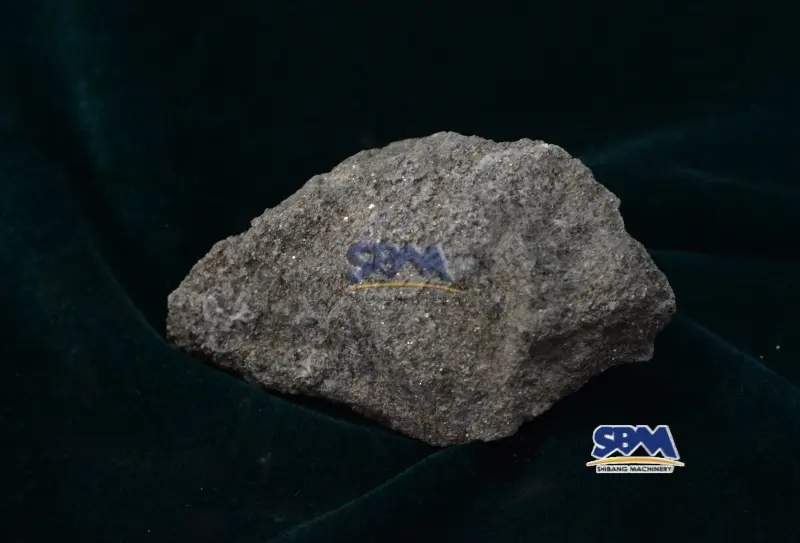
Công nghệ giúp, nhưng không gì có thể sánh bằng việc ở trên mặt đất. Các nhà địa chất đi bộ trên đất liền, cẩn thận kiểm tra sự hình thành đá, đá lỏng lẻo, và đất. Họ mang búa, kính lúp, và quan trọng nhất, một nam châm bỏ túi. Nhận thấy màu quặng sắt, kiểm tra trọng lượng của hòn đá, nhìn thấy các mẫu sọc, cảm nhận được sức hút của từ tính với một nam châm, hoặc phát hiện các vết rỉ sét trên bề mặt – đây mới là kỹ năng tìm quặng thực sự. Việc phát hiện những tảng đá rời có màu sắc và trọng lượng phù hợp có thể dẫn thẳng trở lại mỏ quặng chính.
Khoan: Khoảnh khắc của sự thật
Tất cả các bản đồ, khảo sát trên không, và nghiên cứu thực địa dẫn đến bước cuối cùng này. Khoan lõi kim cương hoặc khoan RC đào sâu vào lòng đất. Việc này tốn rất nhiều chi phí, nhưng đó làchỉ một cách chắc chắn để trả lời các câu hỏi quan trọng: Quặng sắt có thực sự tồn tại? Nó sâu bao nhiêu? Chất lượng tốt thế nào (cấp)? Cái gìcác loại quặng sắt tồn tại ở đó? Các mẫu được khoan không nói dối - chúng tiết lộ liệu bạn đã tìm thấy một thân quặng đáng giá hay chỉ là những tảng đá thú vị về mặt khoa học.
Từ đá đến sẵn sàng: Khai thác quặng sắt – Núi dời
Tìm thấy một khoản tiền gửi khả thi? Bây giờ công việc cơ bắp thực sự bắt đầu: khai thác quặng sắt. Khai thác là một kỳ công kỹ thuật khổng lồ, được quyết định bởi tính chất – quy mô của khoản tiền gửi, hình dạng, độ sâu, cấp, và đá xung quanh.
Khai thác lộ thiên (Vua quy mô)
Thống trị cảnh tượng rộng lớn, trầm tích gần bề mặt, đặc biệt là những gã khổng lồ BIF.
- Buổi biểu diễn: Hãy tưởng tượng điêu khắc một ngọn núi thành một hố bậc thang. xẻng khổng lồ (một số múc 100+ tấnmỗi lần cắn) và những chiếc xe tải cỡ bằng những ngôi nhà trút bỏ gánh nặng (đá thải). Quặng lộ ra được khoan, thổi vào khối có thể quản lý được, và bị lôi đi. Quy mô thật đáng kinh ngạc – Mỏ Pilbara di chuyển nhiều trái đất hơn một số quốc gia nhỏ mỗi ngày.
- Tại sao nó quy tắc: Âm lượng lớn, chi phí thấp hơn mỗi tấn (so với dưới lòng đất), tương đối an toàn hơn. Hoàn hảo cho kích thước lớn, nông, tiền gửi dạng bảng. Bạnnhìn thấy cáimàu quặng sắt các lớp lộ ra trên thành hố.
Khai thác ngầm (Khi quặng đi sâu)
Được sử dụng khi giải thưởng được chôn quá sâu, nhúng dốc, hoặc khai thác bề mặt là ngoài giới hạn (dưới một thị trấn, khu vực được bảo vệ).
- Nó được thực hiện như thế nào: Nó phức tạp và tốn nhiều vốn. Phương pháp phổ biến:
- Khối hang động: Cắt xén một khối quặng khổng lồ và để trọng lực thực hiện việc nâng vật nặng khi nó sụp đổ. Quặng được rút ra từ các đường hầm bên dưới. Dùng cho sâu, thân quặng lớn.
- Hang động cấp dưới: Ý tưởng tương tự, nhưng chia quặng thành những phần nhỏ hơn, khối được quản lý trong các cấp độ xác định.
- Phòng và Cột: Khắc ra “phòng” quặng, rời đi mạnh mẽ “trụ cột” để giữ mái nhà. Phổ biến đối với các trầm tích phẳng hơn ở gần bề mặt hơn.
- Thực tế: Đắt. Yêu cầu trục chìm, lái xe hàng km đường hầm, thông gió phức tạp, và các quy trình an toàn nghiêm ngặt. Dưới đó là một thế giới khác.
sự hưởng lợi: Phép thuật ở đâu (và Máy móc) xảy ra
Quặng mới khai thác (Run-of-Mine hoặc ROM) thường làkhông lò cao đã sẵn sàng. Đó là một túi hỗn hợp sắt có giá trị và gangue vô giá trị, thường ở điểm thấp hơn mức cần thiết. Hưởng lợi là con đường nâng cấp:
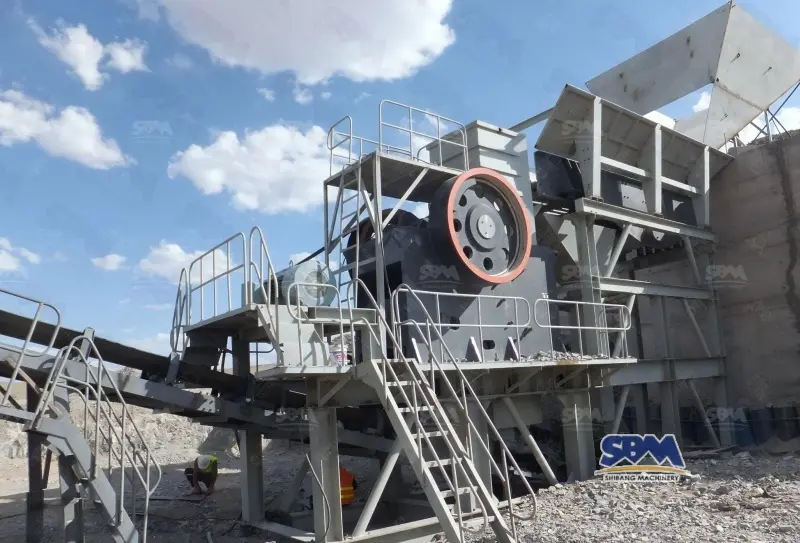
- Thầm yêu & Sàng lọc: Người gác cổng: Quặng ROM to và mập mạp. Đây là nơi kim loại nặng gặp đường. Máy nghiền sơ cấp (hãy nghĩ đến những chiếc máy nghiền hàm khổng lồ hoặc những con quay gồ ghề) giao hàng đầu tiên, vết cắn mạnh mẽ. Máy nghiền cấp hai và cấp ba (thường máy nghiền côn hoặc cuộn nghiền áp suất cao) hạ nó xuống thêm. Màn hình sắp xếp đống đổ nát theo kích thước.Giai đoạn này thật tàn khốc. Độ cứng tuyệt đối và độ mài mòn củaquặng sắt, đặc biệt là thạch anh trong BIF, nuốt chửng thiết bị được chế tạo kém. Bạn cần máy nghiền được thiết kế để trừng phạt – loại siêu bền, thông lượng caomáy nghiền sỏi sông Và máy nghiền tác động được thiết kế bởi SBM Trung Quốc. Chúng được xây dựng để xử lý sự tấn công liên tục của phần cứng, đá mài mòn, giảm thiểu thời gian ngừng hoạt động tốn kém. Việc nghiền đúng sẽ thiết lập mọi thứ tiếp theo.
- Nghiền: Đưa quặng nghiền xuống cát hoặc mịn hơn, giải phóng khoáng chất sắt khỏi gangue bám víu. Đói năng lượng nhưng cần thiết.
- Sự tách biệt – Phân loại lúa mì từ trấu:
- Tách từ: Siêu sao chotừ tính. Nam châm mạnh mẽ (loại trống hoặc cuộn) dễ dàng kéo khoáng chất từ tính ra khỏi chất thải không có từ tính. Thanh lịch và hiệu quả.
- Tách trọng lực: Sử dụng sự khác biệt về mật độ. xoắn ốc, đồ gá lắp, hoặc lắc bàn để khoáng chất sắt nặng hơn chìm xuống khỏi gangue nhẹ hơn. Một con ngựa làm việc chohematit.
- tuyển nổi: Thêm hóa học. Hóa chất tạo ra khoáng chất đặc biệt đẩy lùi nước (kỵ nước) nên chúng dính vào bọt khí và trôi đi. Được sử dụng cho các loại quặng phức tạp hơn hoặc các hạt mịn hơn.
- Sự hoàn trả: Tinh quặng sắt cao cấp (60-68% Fe cho hematit, thường 65-72% cho từ tính) sẵn sàng vào lò. Chất thải còn sót lại? Chất thải, được lưu trữ an toàn trong các đập được thiết kế. Đó là một quá trình giảm khối lượng – biến núi đá thành giá trị tập trung.
Tứ Đại: Gặp gỡ các đối thủ nặng ký về quặng sắt
Tồn tại nhiều khoáng chất sắt, nhưng chỉ có bốncác loại quặng sắt thống trị sân khấu thương mại. Biết những điều này4 các loại quặng sắt là chìa khóa để hiểu thị trường và quá trình chế biến:
hematit (Fe₂o₃): Nhà đương kim vô địch
- cổ phần: Vị vua không thể tranh cãi của toàn cầuquặng sắt âm lượng. Được tìm thấy trong BIF hoành tráng và tiền gửi phong phú.
- Nhân cách: Màu đỏ đậmmàu quặng sắt (bột nó, nó giống như rỉ sét), không có từ tính, cứng như đinh. Tiêu biểu 50-70% Fe. Màu đỏ Pilbara là đặc trưng của nó.
- Thực tế khai thác: Hầu như chỉ có các hoạt động khai thác lộ thiên quy mô lớn. Úc, Brazil, Ấn Độ, Nam Phi là cường quốc.
- Chế biến xay: Nhu cầu nghiền nát, sàng lọc, mài, và sự chia ly (trọng lực là vua, tuyển nổi giúp). Bỏ qua nam châm. Độ cứng đó? Nó có nghĩa là máy nghiền và nhà máy phải chịu đòn. Có hiệu quả, nghiền chịu mài mòn trả trước (giống như các thiết kế hạng nặng của SBM) là rất quan trọng để giảm chi phí và tăng sản lượng. Bạncảm thấy năng lượng tiêu thụ khi nghiền thứ này.
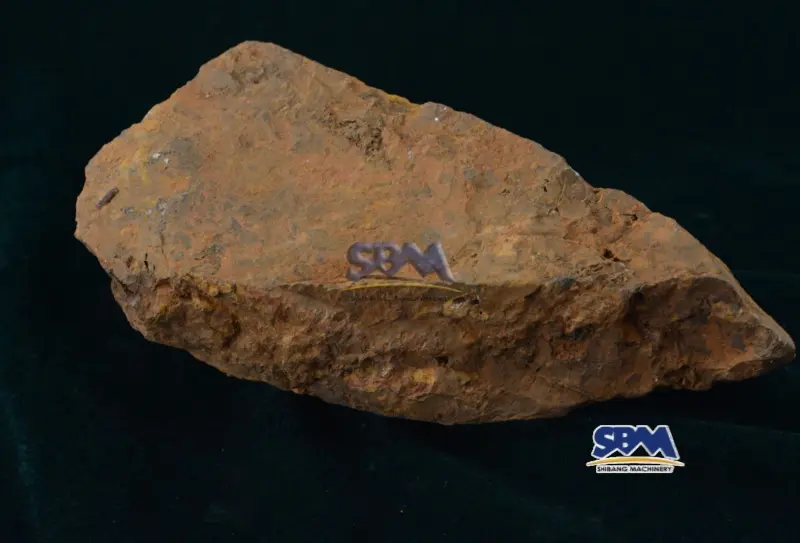
từ tính (Fe₃O₄): Nhà máy điện từ
- cổ phần: Được đánh giá cao vì nó caotiềm năng hàm lượng sắt và tính chất từ tính. Được tìm thấy trong BIF và trầm tích magma.
- Nhân cách: Đen/xám đậmmàu quặng sắt, cực kỳ dày đặc, Vàdính chặt vào nam châm. Hàm lượng Fe lý thuyết đứng đầu (72.4%), sự tập trung thực sự là tuyệt vời (thường >68% Fe).
- Thực tế khai thác: Hố lộ thiên hoặc dưới lòng đất, tùy theo độ sâu. Úc, Thụy Điển, Nga, Hoa Kỳ, Canada có những vở kịch đáng chú ý.
- Chế biến xay: Ưu điểm lớn của Magnetite là khả năng tách từ - nó hoạt động rất tốt để kéo magnetite nguyên chất ra khỏi đá thải sau khi nghiền và nghiền. Nhưng các hạt magnetit thường rất nhỏ và dính chặt, cần mài nặng để giải phóng chúng. Điều này gây ra việc sử dụng năng lượng rất lớn trong quá trình mài, đó là một chi phí lớn. Công đoạn nghiền vẫn yêu cầu xử lý đá cực cứng. Máy nghiền sơ cấp mạnh mẽ có thể xử lý số lượng lớn một cách trơn tru (như thiết bị chuyên dụng của SBM) rất quan trọng để nuôi sống chúng máy nghiền tiết kiệm chi phí. Đó là sự cân bằng: bạn sẽ có được chất cô đặc chất lượng cao, nhưng nó đòi hỏi năng lượng cao.
Limonite (ngậm nước): Người thân bị phong hóa
- cổ phần: Được hình thành do phong hóa bề mặt, lịch sử quan trọng (“sắt đầm lầy”), nhưng giải đấu nhỏ trên toàn cầu ngày nay.
- Nhân cách: Màu nâu vàngmàu quặng sắt, mềm mại hơn, cảm giác trần tục. Hàm lượng sắt thấp hơn (35-50% Fe) và bao gồm nước bị khóa trong cấu trúc của nó.
- Thực tế khai thác: Thường có quy mô nhỏ, hố lộ gần bề mặt. Nhiều chú thích lịch sử ở Châu Âu/Mỹ hơn là một người chơi chính hiện tại.
- Chế biến xay: Cần sấy khô và sưởi ấm cường độ cao (nung) lái xe ra khỏi nướctrước luyện kim. Thêm chi phí đáng kể và độ phức tạp. Thường được sử dụng tại địa phương nếu có, hiếm khi có giá trị cho một chuyến đi đường dài.
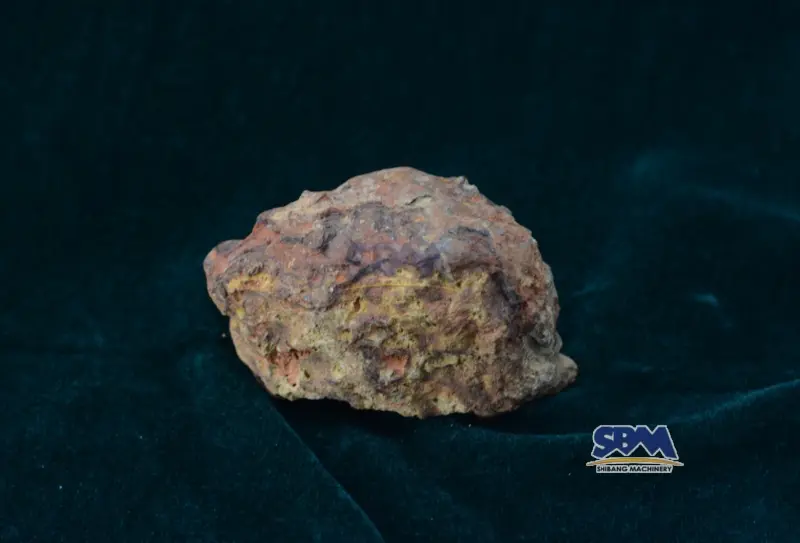
nhìn chằm chằm (FeCO₃): Thử thách cacbonat
- cổ phần: Sắt cacbonat. Được khai thác trong lịch sử ở những nơi như Vương quốc Anh, nhưng bây giờ kinh tế khó khăn.
- Nhân cách: Màu quặng sắt thay đổi (xám, màu nâu, màu vàng), thường có ánh ngọc trai. Hàm lượng Fe thấp nhất của phi hành đoàn chính (30-40%). Sự sủi bọt trong axit – một thử nghiệm nhanh tại hiện trường.
- Thực tế khai thác: Khai thác từ các lớp hoặc tĩnh mạch trầm tích. Người chơi thích hợp.
- Chế biến xay: Phải được nướng (nung) để loại bỏ CO₂ và chuyển nó thành oxit sắttrước luyện kim. Lại một cái đắt nữa, bước chuẩn bị tốn nhiều năng lượng. Thường được pha trộn với các loại quặng cao cấp hơn nếu có sử dụng. Không phải là đứa con được yêu thích của các nhà khai thác lò luyện kim.
Bàn 2: Các đối thủ nặng ký về quặng sắt – Kiểm tra thực tế
| Tính năng | hematit (Nhà vua) | từ tính (Marvel từ tính) | Limonite (Người bị phong hóa) | nhìn chằm chằm (cacbonat) |
|---|---|---|---|---|
| Có vẻ như | Màu đỏ đậm, rỉ sét | Màu đen tuyền | Vàng-Nâu | Xám/Nâu |
| Nội dung Fe | Chất rắn (50-70%) | Tiềm năng cao nhất (60-72%) | Khiêm tốn (35-50%) | Thấp nhất (30-40%) |
| từ tính | Bỏ qua nam châm | Yêu nam châm! | Sức hút yếu | Bỏ qua nam châm |
| Đang xử lý khóa | Nghiền nát mạnh mẽ, Xay, Trọng lực/nổi | Nghiền nát mạnh mẽ, Xay TỐT, tháng 5 | Khô, Thịt nướng (nung) | Thịt nướng (nung), mùi |
| Vai trò thị trường | #1 (Trưởng nhóm khối lượng) | #2 (Cô đặc cao cấp) | Người chơi nhỏ | Người chơi nhỏ |
| Đau đầu lớn | Đá cứng, Năng lượng xay | Chi phí năng lượng nghiền lớn | Cấp thấp, Trọng lượng nước | Cấp thấp, Gánh nặng CO₂ |
Cung cấp năng lượng cho thế giới: Quặng sắt thực sự được sử dụng để làm gì?
Hiểu biếtquặng sắt được sử dụng để làm gì tóm gọn lại trong một từ: Thép. Nghiêm túc, qua 98% trong số đá khai thác được sẽ dùng làm nhiên liệu cho sản xuất thép. Hãy để nó phá vỡ nó:
luyện thép: Người khổng lồ
- lò cao (bạn trai) – Phương pháp tiêu chuẩn: Đã xử lý quặng sắt (như thiêu kết, viên, hoặc quặng cục), than cốc (than nướng), Và đá vôi đi vào buồng nóng của lò cao. Bên trong, nhiệt độ cực cao làm tan chảy mọi vật liệu. Coke biến oxit sắt thành sắt kim loại lỏng, trong khi đá vôi loại bỏ tạp chất bằng cách tạo xỉ. Điều này tạo ra sự nóng chảy “gang” - hàm lượng cacbon cao. Gang sau đó di chuyển đến lò oxy cơ bản (BOF), nơi oxy thổi qua nó để loại bỏ lượng carbon dư thừa, làm thép. Đây vẫn là quy trình sản xuất thép thống trị trên toàn thế giới.
- Sắt khử trực tiếp (DRI) – Tuyến đường khí đốt: Quá trình này sử dụng khí tự nhiên (hoặc than) để loại bỏ oxy khỏi quặng sắt viên hoặc quặng cục mà không làm tan chảy nó. Kết quả là vững chắc “sắt xốp” (được gọi là DRI hoặc HBI). Vật liệu sắt sạch hơn này chủ yếu được nấu chảy trong Lò hồ quang điện (EAF), thường trộn lẫn với một lượng lớn thép phế liệu tái chế. Đó là một cách tiếp cận dễ thích ứng hơn và có thể xanh hơn (đặc biệt là sử dụng hydro sạch) và ngày càng trở nên quan trọng.
- Tính phổ biến của thép – Nó ở MỌI NƠI: Nhìn xung quanh. Thép làm từ quặng sắt là xương sống của cuộc sống hiện đại:
- Tòa nhà: tòa nhà chọc trời, Cầu, thanh thép trong bê tông
- Vận tải: Ô tô, tàu thuyền, xe lửa, đường ray
- Máy móc: Máy xúc, tua-bin, thiết bị nhà máy
- Năng lượng: Đường ống, tháp điện, tua bin gió
- Trang chủ: Tủ lạnh, máy giặt, lon thực phẩm
Nó hoàn toàn cần thiết.
Đúc gang lợn: Con đường trực tiếp
Một miếng gang lò cao nhỏ hơn được đúc trực tiếp vào khuôn. Cái này “gang” cứng và chống mài mòn (nhưng giòn). Nghĩ đến khối động cơ, nắp hố ga, đường ống, và vâng, những cái chảo cổ điển đó.
Người chơi Niche khác
- Sắc tố: Một số oxit sắt (đất son, màu umber), đôi khi từ các sản phẩm phụ của quá trình chế biến quặng hoặc các khoản tiền gửi cụ thể, sơn màu, lớp phủ, và thậm chí cả mỹ phẩm.
- Phương tiện truyền thông nặng: nghiền mịntừ tính (hoặc ferrosilicon) dày đặc. Nó được sử dụng như một “vừa nặng” trong các nhà máy tách môi trường dày đặc (như rửa than) làm nổi vật nhẹ và đánh chìm vật nặng dựa trên mật độ.
- Che chắn bức xạ: Mật độ của sắt làm cho nó hữu ích trong bê tông trong việc che chắn bức xạ (ví dụ., xung quanh các cơ sở hạt nhân hoặc phòng chụp X-quang y tế).
- Chất xúc tác: Các hợp chất sắt đóng vai trò trong các quá trình hóa học quan trọng, giống như quy trình Haber sản xuất amoniac làm phân bón.
Người khổng lồ sắt toàn cầu: Hành động quặng thực sự diễn ra ở đâu
Nói vềnơi tốt nhất cho quặng sắt? Tùy thuộc nếu bạn có nghĩa là âm lượng tuyệt đối, chất lượng cao nhất, hoặc truy cập dễ dàng nhất. Đây là cảnh quan toàn cầu nhìn từ mặt hố:
Úc: Công cụ xuất khẩu vô song
- Hàng hóa: trữ lượng khổng lồ, thống trị bởi cao cấphematit ở Pilbara mang tính biểu tượng (WA). Ngôi nhà của những người khổng lồ khai thác: Rio Tinto, BHP, Fortescue. Đây là quặng chuẩn.
- Cơ sản xuất: Liên tục trên thế giới #1 nhà xuất khẩu, thường là nhà sản xuất hàng đầu. Các siêu mỏ hiệu quả cao gần bờ biển = vận chuyển chi phí thấp tới châu Á. Hoạt động của Pilbara là một tuyệt tác về mặt kỹ thuật.
- Tại sao lại là Top Dog: quy mô tuyệt đối, luôn ở mức cao, cơ sở hạ tầng khai thác/hậu cần đẳng cấp thế giới, môi trường hoạt động ổn định, và vị trí đắc địa cung cấp năng lượng cho các nhà máy thép Châu Á đang đói khát (Trung Quốc, Nhật Bản, Hàn Quốc). Quặng Pilbara đặt ra tiêu chuẩn.
Brazil: Ngôi nhà của những người khổng lồ thuần khiết nhất
- Hàng hóa: Sở hữu một số lớn nhất hành tinh vàcấp cao nhất tiền gửi, đặc biệt là huyền thoạihematit của dãy núi Carajás (ĐẾN) – Viên ngọc quý của Vale. Quặng đặc biệt tinh khiết (thường +65% Fe).
- Cơ sản xuất: Một nhà sản xuất nặng ký toàn cầu và #2 nhà xuất khẩu. Chất lượng ra lệnh giá cao.
- Bắt & sức mạnh: Rào cản hậu cần tồn tại – vận chuyển quặng hàng trăm km từ mỏ đến các cảng Đại Tây Dương. Nhưng chất lượng và quy mô vô song của Carajás khiến nó trở nên không thể thiếu. Khi thị trường muốn thức ăn viên hoặc thức ăn viên cao cấp, Brazil thường trả lời.
Dàn diễn viên phụ – Người chơi chính
- Trung Quốc: Con voi trong phòng. Thế giới #1 nhà sản xuất thép vàquặng sắt người tiêu dùng. Bản thân cũng là một nhà sản xuất lớn, nhưng nhiều quặng trong nước có chất lượng thấp hơn, tổ hợp, và tốn kém để khai thác/xử lý. dựa vàonặng nề về nhập khẩu (đặc biệt là hàng Úc và Brazil cao cấp). Thúc đẩy giá toàn cầu.
- Ấn Độ: trữ lượng lớn, chủ yếuhematit. Một nhà sản xuất lớn và xuất khẩu ngày càng tăng. Đối mặt với những thách thức về tính nhất quán của cấp quặng, nút thắt cơ sở hạ tầng (đường sắt/cảng), và những thay đổi về quy định. Nhà cung cấp chính, đặc biệt là các thị trường lân cận.
- Nga: trữ lượng khổng lồ, tập trung vào Dị thường Từ trường Kursk (từ tính). Nhà sản xuất chính, nhưng mức tiêu thụ thép trong nước cao sẽ ăn vào xuất khẩu. Thực tế địa chính trị hiện nay làm phức tạp nghiêm trọng hoạt động hậu cần xuất khẩu và tiếp cận thị trường.
- Nam Phi: Cao cấp đáng kểhematit dự trữ, đặc biệt là quặng cục cao cấp từ Northern Cape (Mỏ Sishen). Nhà cung cấp chính cho Châu Âu và Châu Á. Đối mặt với những thách thức dai dẳng trong việc vận chuyển quặng một cách hiệu quả qua đường sắt đến các cảng.
- Canada: Nhà sản xuất quan trọng từ Labrador Trough (hematit & từ tính). Quặng chất lượng cao, nhà cung cấp quan trọng cho các nhà máy Bắc Mỹ và Châu Âu. Hoạt động trong môi trường đầy thách thức nhưng mang lại chất lượng đáng tin cậy.
Bàn 3: Titan quặng sắt – Dự trữ, Sản xuất & thực tế (Minh họa)
| Quốc gia | vùng trung tâm | Loại quặng sao | Dự trữ (Gt) | Sản xuất (triệu tấn/năm) | Sức mạnh chính / Kiểm tra thực tế |
|---|---|---|---|---|---|
| Úc | Pilbara (WA) | hematit | 50+ | 900+ | Tỉ lệ, cao cấp, Máy xuất khẩu |
| Brazil | Carajás (ĐẾN) | hematit | 30+ | 400+ | Chất lượng cao cấp chưa từng có |
| Trung Quốc | Nhiều | Hematit/Mag | 20+ | 800+ (tiêu thụ >!) | Chợ lớn, Quặng phức hợp trong nước |
| Ấn Độ | Odisha, Jharkhand… | hematit | 7+ | 250+ | Dự trữ lớn, Nhà xuất khẩu đang phát triển, Rào cản hậu cần |
| Nga | Vòng cung Kursk, Siberi | từ tính | 25+ | 100+ | Dự trữ lớn, Trọng tâm trong nước, Ràng buộc địa chính trị |
| Nam Phi | Mũi phía Bắc | hematit | 1+ (cao cấp) | 70+ | Quặng cục cao cấp, Thử thách đường sắt |
| Canada | Máng Labrador | Hematit/Mag | 6+ | 50+ | Chất lượng đáng tin cậy, N.A. & Nguồn cung của EU, Khí hậu khắc nghiệt |
Chuỗi nghiệt ngã – Từ bụi quặng đến cơ hội
Đứng bên máy nghiền hàm chính của chúng tôi phá vỡ Pilbara hematit – tiếng ồn lớn, rung lắc mạnh, năng lượng thô – mang lại cảm giác thực sự về quy mô. Tảng đá đỏ thẫm đó, được biết đến bởi sự đặc biệt của nó màu quặng sắt, đến từ các nguồn hàng đầu như Pilbara của Úc hay Carajás của Brazil. Nó giữ lời hứa thực sự. Tìm quặng là bước một. Khai thác di chuyển một lượng lớn đất. Thầm yêu – nơi đá lớn va vào thép – cần cứng rắn, máy móc đáng tin cậy. Nó rất cần thiết. Xem của chúng tôi Trung Quốc SBM máy nghiền làm việc không ngừng nghỉ trong các mỏ khó khăn, mặc có thể làm hỏng các máy khác, cho thấy giá trị của họ. Họ khiến việc sản xuất diễn ra. Biết 4 các loại quặng – hematit (chủ yếu), từ tính (từ tính), limonit (phong hóa), đầy sao (cacbonat) – mang tính thiết thực. Nó quyết định nhu cầu công nghệ, sử dụng năng lượng, chi phí, Và quặng sắt xây dựng những gì: căn cứ của thế giới chúng ta.
Khai thác quặng sắt gặp nhiều vấn đề liên tục: sử dụng hết quặng tốt nhất, áp lực cắt giảm thiệt hại môi trường (đặc biệt là cacbon), và thay đổi thị trường liên quan đến nhu cầu thép toàn cầu. Nhưng động lực chính – tăng trưởng toàn cầu, thành phố đang phát triển, nhu cầu cơ sở hạ tầng – luôn mạnh mẽ. Tương lai cần những giải pháp mới: công cụ khám phá tốt hơn, khai thác và chế biến hiệu quả hơn (bao gồm cả nghiền), và những tiến bộ lớn trong sản xuất thép carbon thấp (như hydro). Cải tiến liên tục cho khó khăn, thiết bị hiệu quả – bắt đầu với máy nghiền sơ cấp quan trọng – là cần thiết. Lĩnh vực thay đổi nhanh chóng này phụ thuộc vào đá hỗ trợ cuộc sống hiện đại. Con đường từ việc nhìn thấy màu quặng sắt dưới lòng đất đến thép trong các tòa nhà hay ô tô? Nó cho thấy sự thông minh của con người với vật liệu của Trái đất. Việc săn lùng các khoản tiền gửi mới và những cách tốt hơn vẫn tiếp tục - công việc khó khăn nhưng quan trọng mà chúng tôi quay trở lại, tấn từng tấn.