E-mail: [email protected]

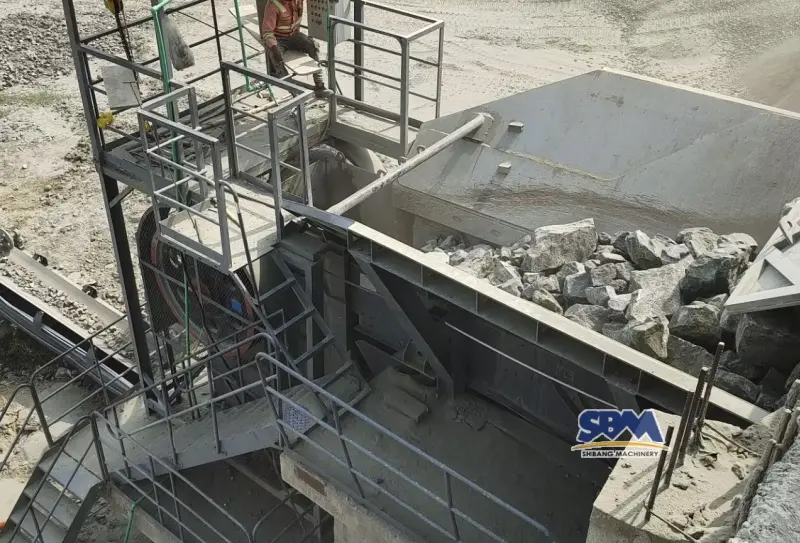
Ngay cả khi bạn mua đúng máy nghiền đá granit và xây dựng một nhà máy tốt, vấn đề vẫn có thể xuất hiện sau nhiều tháng hoặc nhiều năm hoạt động. đá hoa cương thật khó, mài mòn, và không tha thứ: lỗi nhỏ trong cài đặt, cho ăn hoặc bảo trì nhanh chóng biến thành các vấn đề lớn như năng suất thấp, độ rung cao, hoặc sự cố thường xuyên. Hướng dẫn khắc phục sự cố này tập trung vào thế giới thực vấn đề và giải pháp vì PP PE Jaw và máy nghiền hình nón làm việc trên đá granit, để người vận hành và chủ sở hữu có thể nhanh chóng tìm ra nguyên nhân gốc rễ và khắc phục.
Các triệu chứng điển hình trong nhà máy nghiền đá granite
Khi người dùng tìm kiếm “sự cố máy nghiền đá granite”, họ thường gặp phải một trong những hiện tượng này:
- Công suất thấp hơn nhiều so với thiết kế.
- Kích thước sản phẩm quá lớn hoặc quá nhiều tiền phạt.
- Máy nghiền rung bất thường hoặc phát ra tiếng ồn bất thường.
- Điện năng tiêu thụ cao nhưng sản lượng thấp.
- Các bộ phận bị mòn quá nhanh hoặc không đều.
Dưới, chúng tôi chia nhỏ các triệu chứng này cho máy nghiền hàm và máy nghiền hình nón, đồng thời đưa ra danh sách kiểm tra thực tế mà bạn có thể áp dụng trực tiếp tại chỗ.
Các vấn đề và giải pháp máy nghiền hàm thường gặp ở đá granite
Vấn đề 1: Công suất máy nghiền hàm thấp hơn nhiều so với dự kiến
Nguyên nhân có thể:
- Kích thước nguồn cấp dữ liệu lớn hơn thiết kế (khối quá khổ)
- CSS (thiết lập bên đóng) quá lớn hoặc quá nhỏ
- Cho ăn không đều hoặc bị gián đoạn thường xuyên
- Tấm hàm bị mòn nhiều hoặc hồ sơ răng sai lệch
Giải pháp:
- Kiểm tra kích thước thức ăn tối đa so với độ mở hàm; nếu khối quá lớn, thêm cầu dao hoặc điều chỉnh nổ mìn.
- Tối ưu hóa CSS: quá chặt làm nghẹt buồng và gây tắc nghẽn; quá rộng sẽ tạo ra sản phẩm thô và độ tuần hoàn cao.
- Sử dụng máy cấp liệu rung có thanh hoa râm để đảm bảo hoạt động liên tục, thậm chí thức ăn.
- Kiểm tra tấm hàm; lật hoặc thay thế kịp thời và sử dụng hồ sơ được thiết kế cho phần cứng, đá granit mài mòn.
Vấn đề 2: Độ rung và tiếng ồn của máy nghiền hàm cao bất thường
Nguyên nhân có thể:
- Các bu lông móng hoặc đế bị lỏng hoặc nứt
- Mất cân bằng bánh đà hoặc ròng rọc
- Ổ đĩa bị lệch hoặc vòng bi bị hỏng
- Thức ăn chỉ chạm vào một bên của buồng
Giải pháp:
- Dừng máy nghiền an toàn và kiểm tra bu lông neo và móng; thắt chặt hoặc sửa chữa khi cần thiết.
- Kiểm tra sự cân bằng của bánh đà và ròng rọc, cũng như tình trạng chìa khóa và dây đai.
- Đo nhiệt độ vòng bi và độ rung; thay thế vòng bi bị hư hỏng kịp thời.
- Điều chỉnh máng nạp và máng để nguyên liệu đi vào trung tâm, giảm lực không đều lên hàm.
Vấn đề 3: Tấm hàm mòn nhanh hoặc không đều trong đá granite
Nguyên nhân có thể:
- Cho ăn ngoài trung tâm, nhiều tài liệu hơn ở một bên
- Vật liệu tấm hàm hoặc hình dạng răng sai cho đá granite
- CSS quá chặt gây áp lực đè nén quá mức
- Tiền phạt và bùn chưa được loại bỏ trước hàm
Giải pháp:
- Chỉnh sửa hướng nạp và chiều cao để lấy điểm trung tâm, thậm chí tải.
- Sử dụng tấm mangan chịu tải nặng với cấu hình phù hợp cho đá cứng.
- Điều chỉnh CSS ở mức cân bằng dung lượng, kích thước sản phẩm và mặc.
- Thêm sàng lọc trước hoặc cạo vảy tốt hơn để loại bỏ cặn và đất dính.
Mẹo: Nếu bạn muốn biết liệu mô hình và cài đặt máy nghiền chính của bạn có phù hợp hay không, vui lòng ghé thăm Máy nghiền hàm tốt nhất cho đá granite.
Các vấn đề và giải pháp máy nghiền hình nón phổ biến ở đá granite
Vấn đề 1: Sản phẩm máy nghiền côn quá thô hoặc quá nhiều hạt mịn
Nguyên nhân có thể:
- CSS không được đặt chính xác hoặc bị trôi do hao mòn
- Loại buồng sai với kích thước sản phẩm yêu cầu
- Tỷ lệ thức ăn không nhất quán hoặc phân phối thức ăn kém
- Tải tuần hoàn cao từ màn hình
Giải pháp:
- Đặt lại CSS thành giá trị đích và theo dõi độ trôi khi lớp lót bị mòn.
- Chọn cấu hình buồng phù hợp với phạm vi đầu ra mong muốn của bạn bằng đá granit.
- Cài đặt và duy trì hệ thống phân phối thức ăn thích hợp (máng hoặc nhà phân phối) để đạt được tải đồng đều.
- Kiểm tra hiệu suất màn hình và điều chỉnh khẩu độ hoặc góc màn hình để kiểm soát tuần hoàn.
Nếu bạn muốn tìm hiểu thêm về loại khoang máy nghiền hình nón, CSS, và hình dạng hạt, vui lòng ghé thăm Máy nghiền đá granite Và 200 Thiết kế nhà máy nghiền đá granite TPH.
Vấn đề 2: Máy nghiền côn quá tải và thường xuyên bị vấp
Nguyên nhân có thể:
- Tốc độ cấp liệu cao hơn công suất thiết kế
- Quá nhiều tiền phạt trong nguồn cấp dữ liệu (thiếu sàng lọc trước)
- CSS quá chặt trên đá granit cứng, tạo ra tải quá mức
- Tắc nghẽn hoặc tích tụ trong buồng nghiền
Giải pháp:
- Sử dụng bộ điều khiển tốc độ máy cấp liệu hoặc cân băng tải để giữ thức ăn nằm trong phạm vi thiết kế.
- Cải thiện sàng lọc trước để loại bỏ các hạt mịn chỉ tiêu tốn năng lượng và gây đóng gói.
- Tăng CSS một chút để giảm áp lực nghiền trong khi vẫn giữ sản phẩm ở mức thông số kỹ thuật.
- Dừng lại an toàn và dọn sạch mọi vật liệu đã được nén; điều tra nguyên nhân gốc rễ để ngăn ngừa tái phát.
Vấn đề 3: máy nghiền hình nón lớp lót mòn rất nhanh hoặc không đều
Nguyên nhân có thể:
- Cho ăn ngoài trung tâm; vật chất chạm vào một bên của lớp phủ nhiều hơn bên kia
- Chạy với buồng trống một phần (không có thức ăn sặc)
- Vật liệu lót hoặc độ dày sai cho đá granite
- Thường xuyên khởi động/dừng khi có tải, gây hư hỏng do va đập
Giải pháp:
- Điều chỉnh máng cấp liệu hoặc bộ phân phối để đảm bảo trung tâm, thậm chí thức ăn.
- Nhằm mục đích cho ăn nghẹn: giữ cho khoang được lấp đầy đúng cách để mài mòn đồng đều hơn và hình dạng đẹp hơn.
- Sử dụng vật liệu lót và độ dày được khuyên dùng cho phần cứng, đá mài mòn, không dành cho đá mềm.
- Tránh khởi động lặp đi lặp lại khi đầy tải; dọn sạch buồng đầu tiên bất cứ khi nào có thể.
Bạn có thể quan tâm đến: Làm thế nào để giảm mài mòn khi nghiền đá granite, Chi phí nghiền đá granite mỗi tấn
Các vấn đề toàn nhà máy: Khi nó không chỉ là máy nghiền
Một số vấn đề dường như “một vấn đề với một máy nghiền nào đó”, nhưng về cơ bản là các vấn đề về cấu hình hoặc quy trình của toàn bộ dây chuyền. Nó có thể cung cấp cho người dùng góc nhìn khắc phục sự cố ở cấp độ cao hơn:
- Vấn đề sàng lọc:
- Màn hình bị hỏng hoặc bị mù có thể gửi quá nhiều kích thước quá khổ hoặc tiền phạt trở lại máy nghiền, làm chúng quá tải hoặc gây hao mòn thêm.
- Thiết kế băng tải và máng trượt:
- Máng chuyển chất lượng kém gây tắc nghẽn, tích tụ vật chất, và những cục lớn bất ngờ rơi vào máy nghiền.
- Quản lý bụi và nước:
- Quá nhiều nước hoặc bùn có thể gây ra hiện tượng đóng gói vật liệu và trượt băng tải; Kiểm soát bụi quá ít có thể làm hỏng vòng bi và vòng đệm nhanh hơn.
- Đào tạo người vận hành:
- Người vận hành chưa được đào tạo có thể thay đổi cài đặt mà không hiểu tác động lên tải, mặc, và chất lượng sản phẩm.
Mẹo: Khi gặp vấn đề, đừng chỉ tập trung vào chính cái máy, nhưng cũng kiểm tra việc cho ăn, sàng lọc, thói quen vận chuyển và vận hành.
Quy trình xử lý sự cố cho nhà máy nghiền đá granite
Để giúp bạn “quá trình” những vấn đề này, một trình tự khắc phục sự cố đơn giản có thể được đưa ra, mà nhóm tại chỗ có thể trực tiếp theo dõi:
- Xác định triệu chứng chính
- Có phải công suất thấp không, kích thước sản phẩm kém, độ rung cao, hoặc hao mòn bất thường?
- Kiểm tra những điều đơn giản trước
- Kích thước và tỷ lệ nguồn cấp dữ liệu, Cài đặt CSS, tình trạng màn hình, và tắc nghẽn rõ ràng.
- Xem lại những thay đổi gần đây
- Bất kỳ nhà điều hành mới nào, nguồn cấp dữ liệu mới, cài đặt đã thay đổi, hoặc các bộ phận thay thế? Các vấn đề thường bắt đầu ngay sau khi thay đổi.
- Đo và ghi dữ liệu
- Ampe, trọng tải, phân cấp sản phẩm, và tình trạng lớp lót trước và sau khi điều chỉnh.
- Áp dụng các bản sửa lỗi được nhắm mục tiêu
- Chỉ thay đổi một tham số tại một thời điểm (CSS, tốc độ nạp liệu, cài đặt màn hình) để bạn có thể thấy rõ hiệu quả.
- Cập nhật cài đặt “phương pháp tốt nhất” của bạn
- Khi bạn tìm được một nơi ổn định, sự kết hợp hiệu quả, ghi lại nó làm tiêu chuẩn của bạn cho tài liệu đó và thay đổi.
Các bước này không chỉ là hướng dẫn kỹ thuật, mà còn đặt nền tảng cho hoạt động hỗ trợ kỹ thuật từ xa tiếp theo của chúng tôi: nếu bạn ghi dữ liệu theo các bước của chúng tôi, các kỹ sư của chúng tôi sẽ chẩn đoán từ xa dễ dàng hơn.
Bạn có thể muốn tìm hiểu thêm: Nhà máy nghiền đá granite, Cần bán máy nghiền đá granite
Câu hỏi thường gặp về vấn đề máy nghiền đá granite
1. Tại sao công suất máy nghiền đá granit của tôi đột nhiên giảm sau khi chạy tốt trong nhiều tháng?
Công suất giảm đột ngột thường đến từ những thay đổi về nguồn cấp dữ liệu (khối lớn hơn, nhiều tiền phạt hơn, hoặc độ ẩm cao hơn), tấm hàm hoặc lớp lót bị mòn, hoặc các vấn đề về màn hình làm tăng tuần hoàn. Kiểm tra những thay đổi gần đây, kiểm tra các bộ phận hao mòn và màn hình, và xác minh CSS cũng như tốc độ nạp trước khi nghi ngờ có lỗi cơ học lớn.
2. Làm cách nào để tôi có thể nhanh chóng biết được hàm hoặc chóp nón của tôi có bị mòn không đều trên đá granit hay không?
Hãy tìm một bên của lớp lót mỏng hơn đáng kể, mẫu bước bất thường, hoặc kích thước sản phẩm bị lệch mặc dù CSS chưa được thay đổi. Độ mòn không đồng đều thường dẫn đến việc nạp lệch tâm hoặc vận hành với buồng trống một phần, cần được sửa chữa để tránh thất bại sớm.
3. Khi nào tôi nên gọi cho nhà cung cấp thay vì cố gắng tự mình khắc phục sự cố máy nghiền đá granite?
Nếu bạn đã kiểm tra cài đặt cơ bản, cho ăn, và hao mòn linh kiện nhưng vẫn thấy rung lắc dai dẳng, chuyến đi lặp đi lặp lại, hoặc các vết nứt hoặc tiếng ồn không giải thích được, gọi hỗ trợ kỹ thuật của nhà cung cấp. Các vấn đề về kết cấu, vấn đề mang nghiêm trọng, hoặc các lỗi điều khiển phức tạp được xử lý tốt nhất với sự hướng dẫn chuyên nghiệp để tránh hư hỏng thêm và thời gian ngừng hoạt động kéo dài.