Email: [email protected]

Impact crushers are widely used in mining, quarrying, and aggregate production. However, they can suffer from vibration, bearing overheating, blockage, abnormal noise, and uneven product size during operation. Therefore, understanding the causes of these faults and applying the right solutions can reduce downtime, improve safety, and extend equipment life.
Why Impact Crusher Faults Matter
When an impact crusher develops a fault, production efficiency drops, maintenance costs increase, and site safety may be affected. Therefore, fast troubleshooting and regular maintenance are essential for stable operation and long service life.
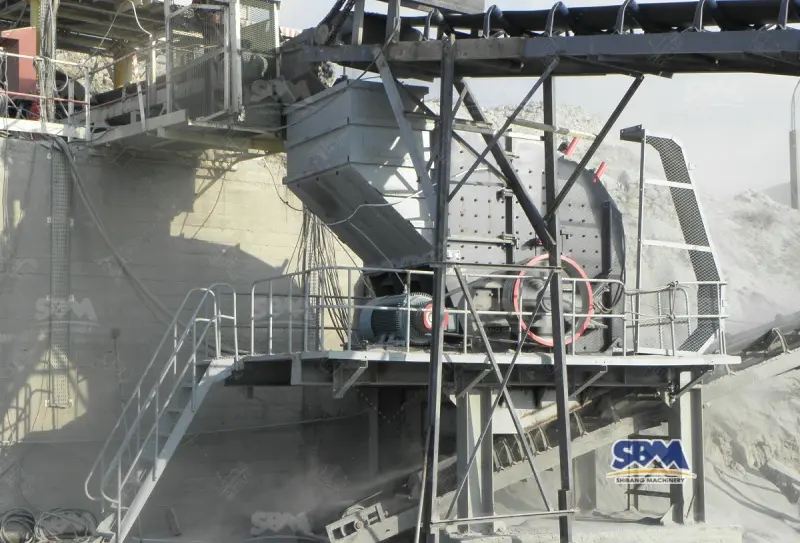
Common Faults of Impact Crushers
The term “impact crusher faults” covers everything from abnormal vibrations and overheating bearings to jammed chambers and excessive wear. Therefore, it is important to understand these problems clearly. In the following sections, we will break down each fault, explain its causes, and outline the best solutions to keep crushers running smoothly.
Irregular Vibration
Abnormal vibration is one of the most common faults in an impact crusher. Generally, it is caused by oversize feed, worn blow bars, rotor imbalance, or loose bolts. Therefore, operators should inspect the rotor, tighten fasteners, and check whether the installation base is stable to prevent further damage.
Common causes
- Oversize feed.
- Worn blow bars.
- Rotor out of balance.
- Loose bolts.
Solutions
- Screen feed material before crushing.
- Replace worn blow bars.
- Adjust or rebalance the rotor.
- Tighten mounting bolts.
Bearing Overheating
Bearing overheating usually indicates lubrication or installation problems. For example, insufficient grease, contaminated lubricant, or incorrect bearing assembly can all lead to excessive temperature. As a result, the bearing should be cleaned, relubricated, and inspected for wear or misalignment.
Common causes
- Lack of oil.
- Wrong oil type.
- Damaged bearings.
Solutions
- Check and replenish oil.
- Choose the correct oil according to the manufacturer’s guidelines.
- Replace faulty bearings.
Product Size Variation
If the final product from an impact crusher becomes too large or too inconsistent, worn blow bars, an incorrect gap setting, or irregular feed size may be the main causes. As a result, the machine should be checked and adjusted promptly to restore the required product size.
Common causes
- Worn blow bars.
- Improper blow bar–impact plate gap.
- Large or irregular raw material size.
Solutions
- Replace or repair worn blow bars.
- Adjust the gap width to the recommended range, usually 15–20 mm.
- Screen and calibrate raw materials before feeding.
V-belt Issues
V-belt problems cause loss of power or sudden stops. This usually results from worn or incorrectly installed belts.
- Common causes: Belt wear, poor alignment during installation.
- Solutions: Replace V-belts, ensure belts and pulleys are in the same plane during setup.
Crushing Cavity Blockage
Blockage often occurs when wet or sticky material enters the crusher. In addition, oversized feed and an excessive feed rate may also cause material accumulation. Therefore, operators should control feed size, reduce the feed rate when necessary, and avoid processing unsuitable material conditions.
Common causes
- Wet or sticky material.
- Oversized feed.
- Excessive feed rate.
Solutions
- Pre-dry wet material when possible.
- Crush oversized feed before it enters the crusher.
- Regulate the feed rate to prevent accumulation.
Noise and Slapping in the Cavity
Abnormal noise should never be ignored because it may indicate loose parts, worn liners, or impact between damaged components. In some cases, uncrushable material entering the crusher can also create unusual sound. Therefore, the machine should be stopped and inspected as soon as possible.
Common causes
- Uncrushable material entering the crusher.
- Loose or detached impact plate.
Solutions
- Stop the machine immediately.
- Clean out the crushing chamber.
- Reseat and secure the impact plate.
- Inspect internal parts before restarting the crusher.
Sudden Shutdowns or Non-Starting
A sudden shutdown is usually related to electrical faults, overload, severe blockage, or a stuck rotor. Therefore, the power supply and protection system should be checked first. After that, the operator should inspect the crushing chamber and mechanical components to identify the immediate cause.
Common causes
- Discharge port blockage.
- Electrical issues.
- Stuck rotor.
- Low voltage.
Solutions
- Remove blockage from the discharge port.
- Inspect the electrical system and safety protection devices.
- Release the stuck rotor and check for internal damage.
- Ensure stable input voltage before restarting the machine.
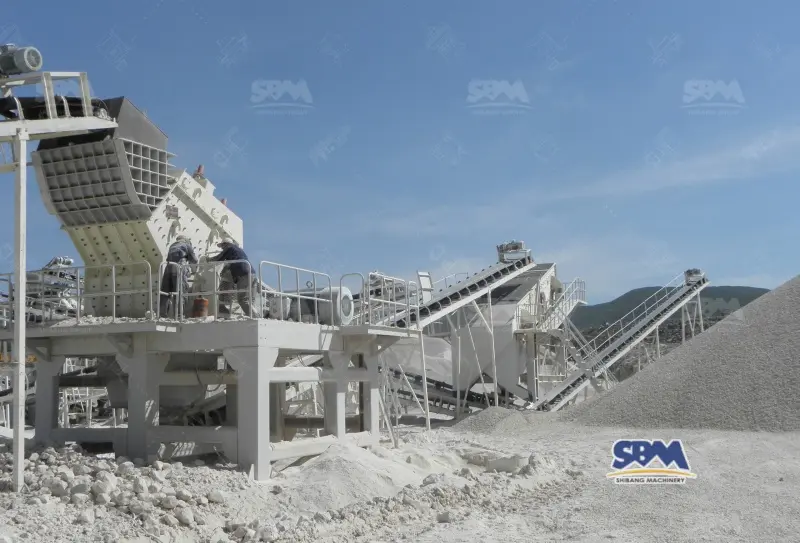
Common Faults and Solutions Table of Impact Crushers
| Fault | Common Causes | Practical Solutions |
|---|---|---|
| Abnormal vibration | Oversize feed, worn blow bars | Screen material, replace bars, rebalance |
| Bearing overheating | Insufficient oil, broken bearing | Add/change oil, replace bearing |
| Product size variation | Gap too wide, worn bars | Adjust gap, repair/replace bars |
| V-belt overturn | Worn belt, poor installation | Install correctly, replace belt |
| Crushing cavity blockage | Sticky/large feed, high feed rate | Pre-process material, regulate feed |
| Loud cavity slaps | Debris, loose impact plate | Clean cavity, secure plate |
| Crusher won’t start | Blockage, electric, rotor stuck | Remove blockage, fix wires, free rotor |
Preventive Maintenance Tips
Preventive maintenance is the most effective way to reduce unexpected impact crusher faults. Therefore, operators should regularly inspect blow bars, monitor bearing temperature, tighten bolts, control feed size, and use the correct lubricant. In addition, stable feeding and timely replacement of worn parts help maintain reliable performance. As a result, a consistent maintenance routine is essential for preventing minor issues from turning into major failures.
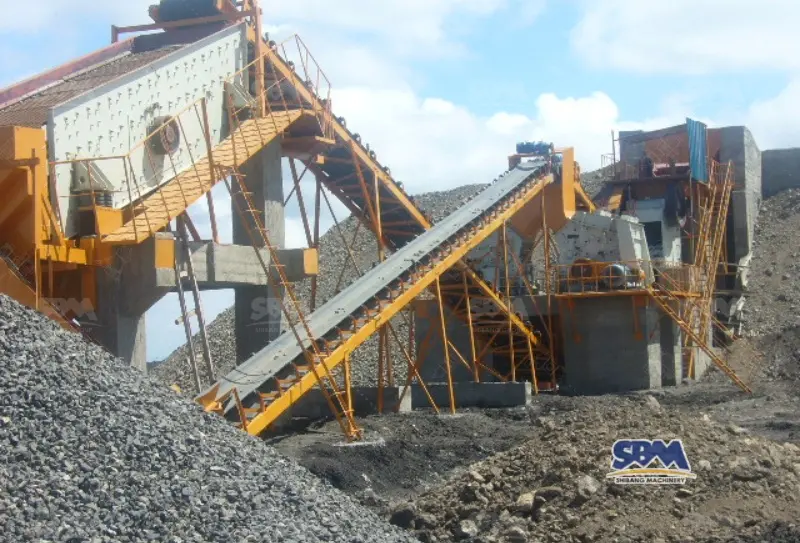
Advanced Solutions and Upgrades
Some problems can almost be avoided with smart improvements:
- Choose blow bars made with strong chrome—they hold up better when working with tough materials.
- Use automatic systems to add oil, so staff don’t have to check by hand.
- Try digital control panels that give warnings about shaking, heat, or electrical problems right away.
Also, ask the maker about any service plans or warranties that could help in the long run.
FAQs
What is the most common impact crusher fault?
Common impact crusher faults include abnormal vibration, bearing overheating, blockage, excessive wear, and sudden shutdowns. Generally, these faults are related to wear, poor maintenance, or unstable feeding conditions. As a result, operators should pay close attention to maintenance and feeding stability.
What causes impact crusher blockage?
Blockage is usually caused by wet or sticky material, oversized feed, or an excessive feed rate. Therefore, proper material control and stable feeding are important.
How can impact crusher downtime be reduced?
Downtime can be reduced through regular inspection, timely replacement of worn parts, stable feeding, and fast troubleshooting when faults appear. In addition, preventive maintenance helps avoid repeated failures.