Email: [email protected]

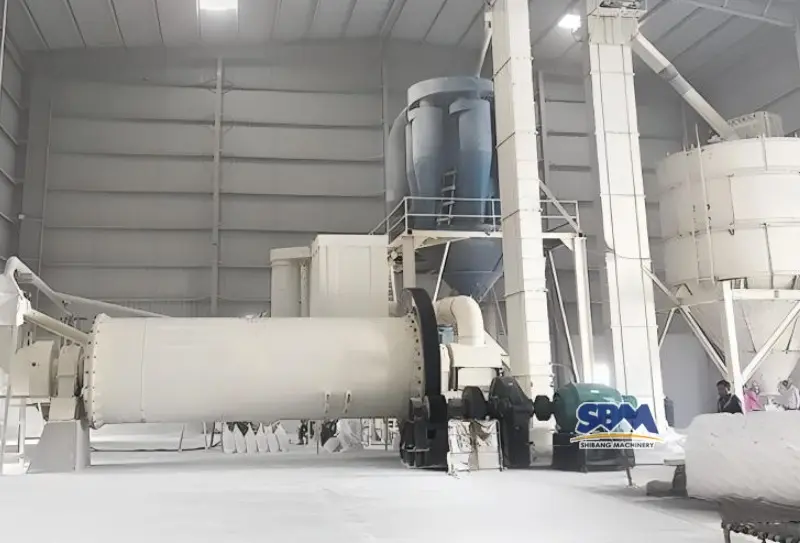
High circulating load in a metal ore grinding circuit usually means the system is sending too much material back for regrinding instead of moving the right particles forward. The best way to reduce high circulating load is to improve classification efficiency, stabilize feed conditions, control water balance, and align grind size targets with actual recovery needs.
What Is Circulating Load in a Grinding Circuit?
Circulating load is the amount of material that returns to the mill for further grinding after classification. In a normal grinding circuit, coarse particles should return for additional size reduction, while fine particles should move forward to the next process stage.
A certain level of circulating load is normal in mineral processing. However, when the load becomes too high, the circuit can become unstable, energy use can rise, and classification performance may decline. For a broader view of how grinding, classification, and liberation work together, it also helps to review the mineral grinding process before adjusting one part of the circuit in isolation.mill-sbm
Why High Circulating Load Is a Problem?
Many operators focus on mill power or final product size first. However, circulating load is often one of the clearest indicators of overall circuit health.
High circulating load can cause several problems:
- It increases the internal burden on the grinding circuit.
- It can reduce effective mill capacity.
- It often raises energy consumption without improving recovery.
- It may create unstable product size.
- It can increase wear on pumps, cyclones, and mill liners.
- It may hide the real source of poor classification or poor feed control.
In short, a very high circulating load does not mean the circuit is working harder in a productive way. In many cases, a very high circulating load means the circuit is recycling too much material inefficiently. As a result, the plant may also face a higher risk of overgrinding in metal ore processing, especially when fine particles are not removed from the circuit at the correct time.
Common Causes of High Circulating Load
High circulating load usually comes from more than one issue. Therefore, the best diagnosis looks at the full circuit instead of one machine alone. In many plants, upstream feed problems begin in the metal ore crushing process, where unstable product size creates extra internal recirculation later in the grinding stage.
The most common causes include:
- Poor classification efficiency.
- Unstable or overly fine feed from the crushing stage.
- Incorrect water addition.
- Hydrocyclone pressure instability.
- Worn cyclone components.
- Target grind size that is too fine for the ore.
- Changes in ore hardness or mineral behavior.
In many plants, the problem begins when fine particles are not removed from the circuit at the right time. As a result, too much material keeps returning to the mill instead of moving forward.
Signs Your Circulating Load May Be Too High
The warning signs are often visible before the plant measures the exact number. For this reason, operators should watch for both process data and plant behavior.
Common signs include:
- Mill throughput falls without a clear mechanical issue.
- Product size becomes unstable.
- Cyclone overflow or underflow performance looks inconsistent.
- Pump load rises.
- Energy consumption increases.
- Recovery does not improve even when grinding appears finer.
- The circuit becomes harder to control during ore changes.
When several of these signs appear together, high circulating load should be reviewed as a likely cause.
How to Reduce High Circulating Load?
Improve classification efficiency
Classification is usually the first place to check. If the cyclone or screen does not separate particles effectively, too much material returns to the mill.
Fine particles should leave the circuit at the correct time. If they stay in circulation, the load rises and overgrinding becomes more likely.
Stabilize feed size and feed rate
A stable feed makes the whole circuit easier to control. By contrast, unstable feed size from upstream crushing can increase circulating load quickly. If the plant is still reviewing feed preparation, the article on metal ore crushing circuit efficiency is a useful reference for improving upstream stability before the material reaches the mill.
If coarse and fine fractions vary too much, the cyclone and mill will not operate consistently. That usually creates more internal recirculation.
Control water balance
Water addition directly affects slurry density, cyclone separation, and cut size. Therefore, even small water balance errors can change circuit behavior.
If the slurry is too thick or too thin, classification efficiency often drops. In turn, the circuit starts sending the wrong particle sizes back to the mill.
Maintain hydrocyclone condition
Cyclone apexes, vortex finders, and liners wear over time. As wear increases, separation quality often becomes less predictable.
Routine inspection is important because a worn cyclone can quietly increase circulating load before the problem becomes obvious in recovery data.
Review target grind size
Not every ore needs a finer grind. In some cases, the plant keeps pushing for smaller particle size even though recovery gains are limited.
When the grind target is unnecessarily fine, the circuit may carry excessive internal load with little economic benefit. For this reason, grind size should be based on ore testing and downstream recovery performance.
Monitor ore variability
Ore hardness, moisture, and clay content can all affect how the circuit behaves. If operating settings stay fixed while ore conditions change, circulating load may rise.
That is why plant teams should review ore variability regularly instead of assuming one stable operating condition fits every ore type.
Practical Plant Advice
The best way to reduce high circulating load is to treat it as a circuit issue, not only a mill issue. In practice, the most effective improvements usually come from better classification, steadier feed, correct water balance, and realistic grind targets. If the operation needs a broader process benchmark, the guide on metal ore grinding circuit is a strong next step for linking recovery, energy use, and circuit stability in one framework.
A plant does not need the lowest possible circulating load at any cost. Instead, it needs a stable and efficient circulating load that supports throughput, liberation, and final recovery.
FAQs
What is circulating load in a grinding circuit?
Circulating load is the amount of material that returns to the mill after classification for further grinding. It shows how much internal recirculation exists inside the circuit.
Why is high circulating load bad?
High circulating load can reduce effective mill capacity, increase energy use, and make product size less stable. It often signals poor classification or unstable feed conditions.
What is the most common cause of high circulating load?
Poor classification efficiency is one of the most common causes because too much material returns to the mill instead of moving forward at the correct size.
Can high circulating load reduce recovery?
Yes. High circulating load can make the circuit unstable, increase overgrinding, and reduce the consistency of downstream separation.
How can I reduce circulating load quickly?
Start by checking classification performance, slurry density, cyclone pressure, feed stability, and water balance. These are usually the fastest areas to improve.
Does finer grinding always improve recovery?
No. Finer grinding can increase circulating load and energy use without delivering better recovery if the ore does not need that extra size reduction.
How does ore hardness affect circulating load?
Harder ore usually requires more grinding effort, which can increase circulating load if classification and operating conditions are not adjusted.
What is a normal circulating load in mineral processing?
There is no single normal value for every plant because it depends on ore type, circuit design, and grind target. The more useful goal is stable and efficient circuit performance.