Email: [email protected]

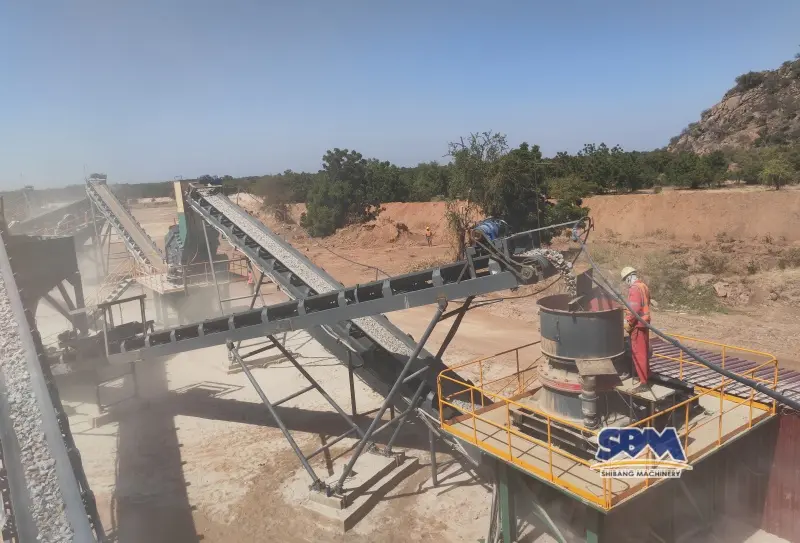
The metal ore crushing process is the first major step that turns raw mined ore into feed material suitable for screening, grinding, and beneficiation. A good crushing circuit does more than reduce size. It stabilizes the downstream process, lowers energy waste, and helps the entire plant run more predictably. For mining projects, the best solution is rarely the most complex one. It is the circuit that matches ore hardness, feed size, throughput, and final product requirements while staying practical for long-term operation.
Why crushing matters?
Crushing affects the whole mineral processing line because it determines how much work the grinding circuit must do later.
If the ore is crushed to a more suitable size, the mill can operate more efficiently and the plant can reduce specific energy consumption.
If crushing is unstable, the plant may face uneven feed, more wear, poor size control, and higher operating cost.
In other words, the crushing stage is not just a preparation step. It is a major cost and performance driver for the entire project.
Typical metal ore crushing circuit
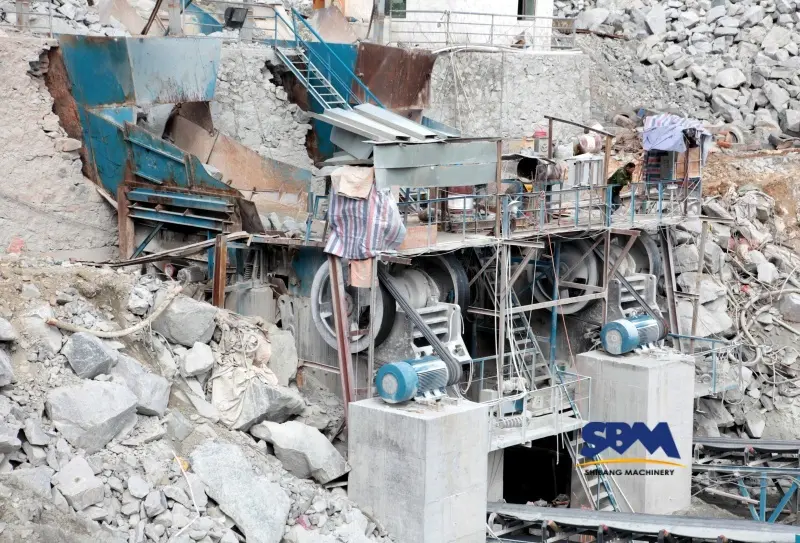
Most metal ore crushing plants use multiple stages rather than one machine.
A common circuit includes primary crushing, secondary crushing, screening, and sometimes tertiary crushing for finer product control.
This stage-by-stage approach helps the plant handle large feed, control product size, and avoid overloading the next section of the flowsheet.
A typical layout may include:
- Primary jaw crusher or gyratory crusher.
- Secondary cone crusher.
- Vibrating screen for classification.
- Tertiary cone crusher when a finer crushed product is needed.
- Conveyors, feeders, and magnets to keep the circuit stable.
How different ores affect the process?
Different ores behave differently in the metal ore crushing process.
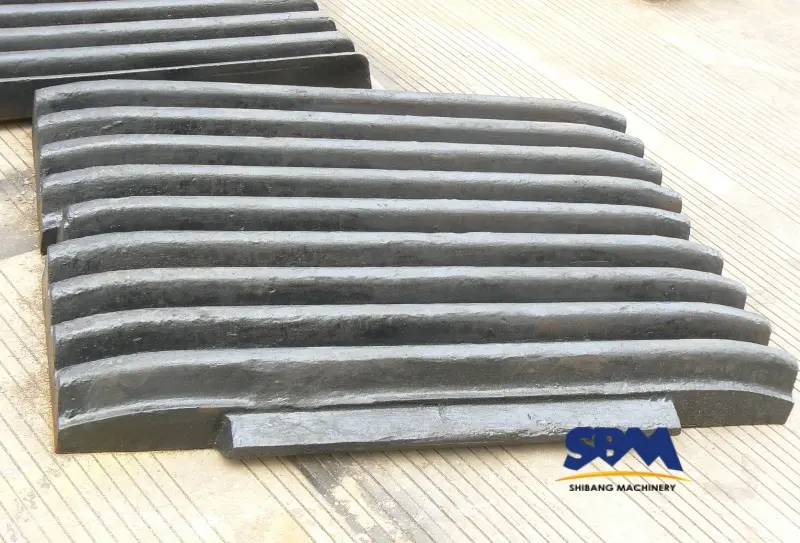
Hard, abrasive ores need stronger wear protection and more robust equipment selection.
Ores with clay, moisture, or variable feed size often need better pre-screening and careful feed control.
For example, iron ore is usually hard and abrasive, so wear life and throughput stability are key concerns.
Copper ore often requires a balanced circuit that supports later grinding and flotation, while polymetallic ores may respond well to selective comminution and early rejection of waste.
How to choose the right equipment?
The first step in equipment selection is to understand the ore and the target product.
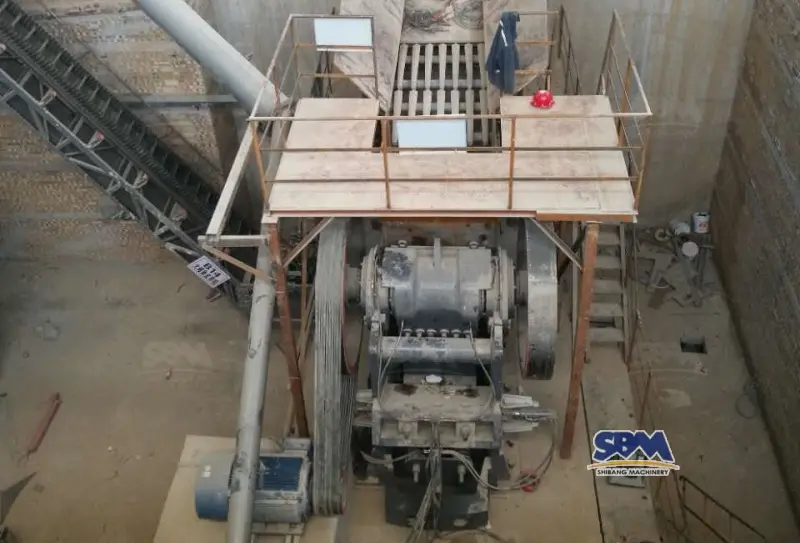
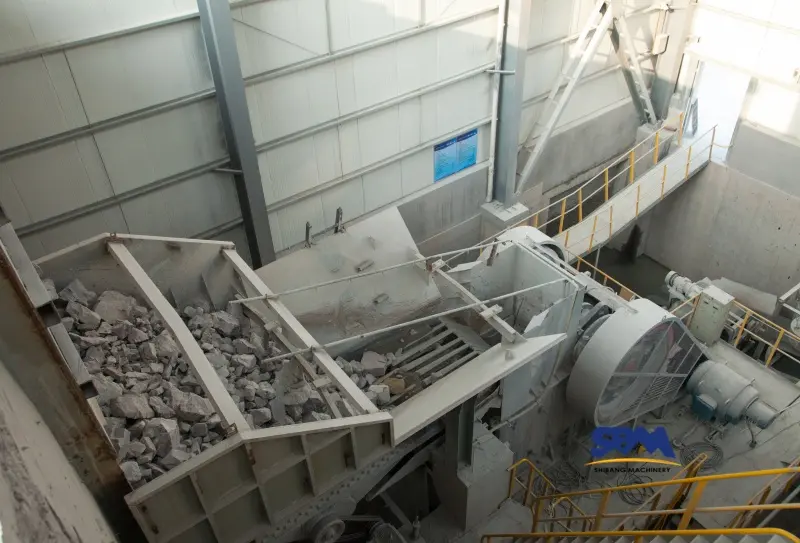
A jaw crusher is usually the main choice for primary crushing because it can accept large lumps and deliver reliable coarse reduction.
Cone crushers are often used in secondary and tertiary stages because they produce a more consistent product and help improve downstream feed quality.
You also need to consider feeders, screens, magnets, and conveying systems.
These components may not get as much attention as the crusher itself, but they are essential for keeping the circuit balanced and avoiding bottlenecks.
More crushing, less grinding
Modern metal ore projects increasingly focus on the idea of “more crushing, less grinding.”
This approach aims to reduce the load on the grinding circuit by doing more size reduction earlier in the flowsheet.
The result can be lower energy use, better throughput stability, and improved overall plant economics.
This is especially relevant when power cost is high or when the project is designed for long-term operation in remote mining regions.
In many cases, the most profitable crushing circuit is the one that prepares the ore most efficiently for downstream liberation, not the one with the biggest installed power.
How SBM approaches metal ore crushing?
At SBM, we treat the metal ore crushing process as a full system, not a single machine sale.
Our design work usually begins with ore properties, plant capacity, target size, and site conditions.
From there, we build a crushing circuit that fits the project goals and helps reduce operating risk over the long term.
We also pay attention to practical issues such as maintenance access, wear part strategy, and control flexibility.
For mining customers, these details matter because they directly affect uptime, cost per ton, and plant stability.
What data we need from you?
To recommend the right metal ore crushing process, we usually need a few key details:
- Ore type and hardness.
- Maximum feed size.
- Target capacity.
- Required final product size.
- Moisture or clay content.
- Fixed plant or mobile plant preference.
With this information, we can help you select the right circuit and avoid overdesign or underdesign.
Metal Ore Crushing Process
A strong metal ore crushing process is built around the ore, the flow sheet, and the business target.
It should produce the right product size, maintain stable throughput, and support efficient downstream grinding and beneficiation.
If you want a practical crushing circuit proposal, the best next step is to share your ore data and project requirements.
FAQs About Metal Ore Crushing Process
What is the main goal of the metal ore crushing process?
The main goal is to reduce raw ore into a size that is suitable for screening, grinding, and downstream beneficiation.
Why is a multi-stage crushing circuit often preferred?
A multi-stage circuit gives better control over product size, improves equipment utilization, and helps reduce the load on the grinding section.
Which crusher is usually used first in metal ore crushing?
A jaw crusher is commonly used in the primary stage because it handles large feed and provides reliable coarse reduction.
What information should I prepare before requesting a crushing solution?
You should prepare ore type, hardness, feed size, target capacity, final product size, moisture content, and whether the plant is fixed or mobile.