Email: [email protected]

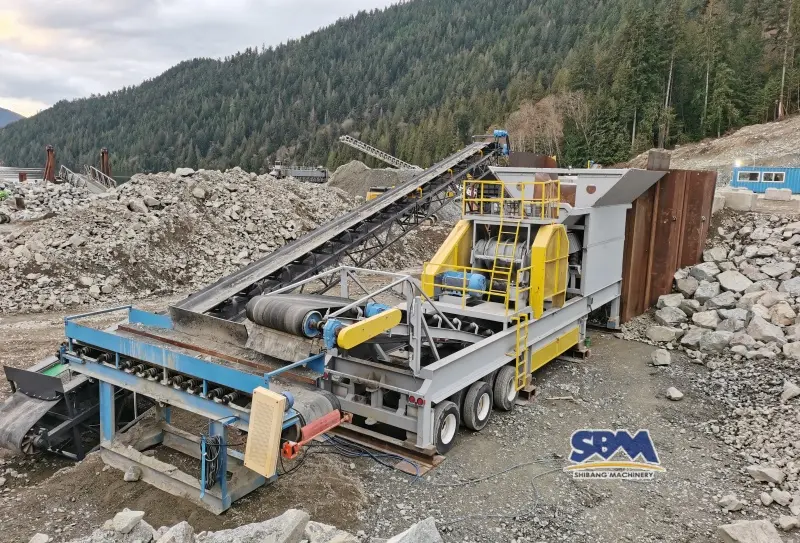
Granite is profitable but punishing. If maintenance is poor or spare parts are not ready, even the best PE jaw and cone crushers will suffer frequent breakdowns, long downtime, and rising cost per ton. Many operators know how to run a granite plant at full load, but not how to keep it healthy month after month. This guide focuses on maintenance routines and spare parts management for granite crusher (jaw and cone crushers) in granite applications. It connects naturally with your articles on plant design, wear reduction, capacity and troubleshooting, but here the angle is: “How do I prevent problems before they stop my plant?”
Why Granite Crushers Need a Different Maintenance Mindset?
Compared with softer rocks, granite:
- Generates higher crushing forces, stressing frames, shafts and bearings more.
- Contains hard, abrasive minerals that grind away liners, chutes and screens.
- Produces sharp fragments that can damage belts, seals and protective covers.
That means a “run until it breaks” approach is extremely costly. For granite, you need planned, preventive maintenance and a smart spare parts strategy, not just emergency repairs.
Daily and Weekly Maintenance for PE Jaw Crushers in Granite
Daily checks
- Visual inspection
- Look for loose bolts, oil leaks, abnormal dust accumulation, and any unusual noises while running.
- Lubrication status
- Check oil or grease levels in bearings; ensure the right lubricant type is used and seals are intact.
- Jaw plates and cheek plates
- Observe wear areas through inspection windows; look for deep ridges or cracked areas.
- Drive belts and motor
- Check belt tension and alignment; listen for motor bearing noise or overheating.
Weekly checks
- Measure jaw plate wear
- Use a gauge or simple reference markings to track wear progress; schedule flipping before they become too thin.
- Check toggle and tension system
- Verify springs, toggle seat and related components are intact and properly adjusted.
- Inspect foundation and base bolts
- Retighten any loosened bolts, especially in high‑vibration granite applications.
Keeping these routines strict gives your jaw crusher a stable mechanical base, so later wear and capacity issues are easier to manage.
Maintenance for Cone Crushers in Granite Applications
The cone is under concentrated stress and rotates at a high speed in granite working conditions, so maintenance is a bit “fine and delicate”. We’ll tell you what to do in a more practical way.
Daily checks
- Oil temperature and pressure
- Monitor lubrication temperature and pressure continuously; sudden changes often signal internal problems.
- Vibration and noise
- Abnormal vibration may indicate feed imbalance, liner breakage, or mechanical issues.
- Unusual noises should be investigated immediately rather than ignored.
- Chamber and feed
- Confirm that the chamber is not over‑packed or starved; check feed distribution for uniformity.
Weekly checks
- Liner wear inspection
- Measure mantle and concave thickness at key points; track wear patterns for signs of off‑center feeding.
- Hydraulic and protection systems
- Test relief systems, tramp release, and any hydraulic adjustments for proper function.
- Drive and couplings
- Inspect couplings, belts or gearboxes, and re‑align if necessary.
These actions aim to catch problems early, before they turn into cracked shafts or seized bearings—especially likely under hard, abrasive granite loads.
Building a Granite Crusher Spare Parts Strategy
The problem that many customers have is that they only find out that “there are no accessories” until the equipment stops, resulting in downtime for days or even weeks. This department can help him design a “spare parts strategy.”
1. Identify critical wear parts and strategic spares
For a typical granite line, key parts include:
- Jaw crusher: jaw plates, cheek plates, toggle plates, bearings, seals.
- Cone crusher: mantle and concave liners, main shaft sleeves, seals, hydraulic components.
- Screens and feeders: screen meshes, springs, bearings, side plates, feeder bars.
- Conveyors: belts, rollers, pulleys, scrapers.
Classify them into:
- Fast‑wear parts (need frequent replacement).
- Medium‑life parts.
- Critical “strategic” spares that can stop the whole plant if missing (e.g., main bearings, key hydraulic components).
2. Decide stock levels based on lead time and usage
- Analyze historical consumption: how many sets of jaw plates or cone liners you use per year in granite.
- Check supplier lead times and shipping time.
- Set a minimum stock for each critical item so that a single failure does not stop the plant for weeks.
3. Use standardized parts where possible
- If you have multiple plants, try to unify liner profiles, bearings and other consumables across similar crushers.
- Standardization reduces stock variety and makes purchasing and storage more efficient.
Creating a Maintenance Schedule for Granite Crushing Plants
We can provide you with a “template maintenance plan”, which is both technical advice and necessary services or accessories.
Example schedule:
- Daily: basic inspections, lubrication checks, cleaning, quick look at wear surfaces.
- Weekly: more thorough checks on wear parts, bolts, oil samples, and recorded KPIs (ampere, tp h, temperature).
- Monthly: detailed inspection of jaw and cone chambers, checking liners, bearings, seals, and screen condition.
- Quarterly / semiannual: planned shutdown for liner changes, major adjustments, structural checks, and control system review.
Encourage users to use a simple logbook or digital system to record each maintenance activity and findings. Over time, this data tells a story about how the plant behaves with granite and when to schedule major work.
How Maintenance and Parts Link to Cost and Capacity?
- Less unplanned downtime → higher effective capacity
- A plant designed for 200 TPH but stopped frequently produces far less than its potential. Good maintenance maximizes real output hours.
- Planned liner changes → lower cost per ton
- Changing jaw plates and cone liners at the right time avoids catastrophic failures and wasted steel, improving tons per liner set.
- Healthy machines → better shape and gradation
- When jaws and cones run smoothly with correct settings and good liners, they produce more consistent granite aggregates that meet highway and concrete specs.
FAQs About Granite Crusher Maintenance and Spare Parts
1. How often should I change jaw plates and cone liners when crushing granite?
There is no fixed calendar answer because it depends on feed abrasiveness, settings, and operating hours. The best approach is to track tons produced per liner set and inspect wear weekly. Once liners reach the minimum safe thickness or start to crack, plan a change before they fail and damage other components.
2. Is it necessary to keep a full set of spare parts in stock for my granite plant?
You don’t need to stock everything, but you should hold at least one full set of critical wear parts and key strategic spares that can stop the plant if unavailable. Combine this with realistic supplier lead times and your yearly consumption to define an optimized stock level that balances capital tied up in inventory with the cost of downtime.
3. Can better maintenance really reduce my granite crushing cost per ton?
Yes. Well‑maintained crushers run closer to their design capacity, consume less energy per ton, and suffer fewer catastrophic failures. Planned liner changes and regular inspections extend component life and reduce emergency repairs, which together lower your true cost per ton and improve overall profitability.