Surel: [email protected]

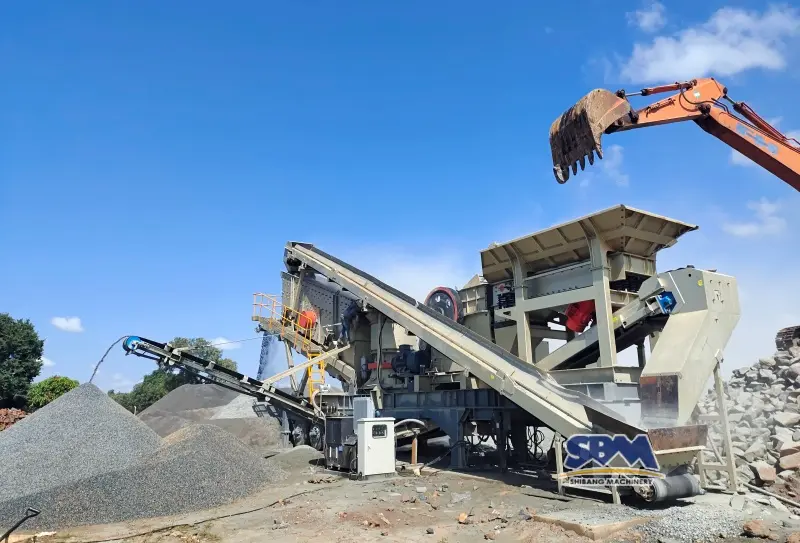
Jaw crusher adalah salah satu mesin terpenting di setiap pabrik penghancur, tapi ini juga salah satu yang paling berbahaya jika dioperasikan secara tidak benar. Jelas Prosedur Operasi Aman Jaw Crusher membantu mencegah kecelakaan, melindungi mesin, dan menjaga produksi tetap stabil. Panduan ini dirancang untuk pemilik pabrik, pengawas, dan operator yang ingin praktis, prosedur yang mudah diikuti untuk pengoperasian jaw crusher harian. Itu bisa diaplikasikan pada granit, batu gamping, basal, atau sebagian besar aplikasi penghancur batu keras lainnya.
Mengapa Prosedur Pengoperasian yang Aman Penting?
Jawala Jaw menangani besar, berat, dan seringkali materinya tidak beraturan. Mereka juga berisi bagian yang bergerak, kekuatan penghancur yang tinggi, dan titik-titik rawan potensial. Tanpa prosedur yang tepat, operator dapat menghadapi risiko serius seperti:
- Cedera belitan atau remuk.
- Penyumbatan saat makan atau keluar.
- Kerusakan peralatan akibat logam bekas atau material berukuran besar.
- Startup tak terduga saat pemeliharaan sedang dilakukan.
- Keausan berlebihan disebabkan oleh kebiasaan pengoperasian yang buruk.
Prosedur pengoperasian yang aman bukan sekadar dokumen kepatuhan. Ini adalah alat praktis yang membantu pabrik Anda bertahan lebih lama, lebih aman, dan lebih efisien.
Pemeriksaan Keamanan Sebelum Memulai
Sebelum memulai penghancur rahang, operator harus selalu menyelesaikan pemeriksaan visual dan fungsional secara menyeluruh.
1. Periksa area sekitarnya
- Pastikan tidak ada orang di dalam penghancur, pengumpan, atau zona pembuangan.
- Hapus alat, bahan longgar, dan hambatan dari area kerja.
- Konfirmasikan bahwa semua penjaga, meliputi, dan panel akses terpasang dengan benar.
2. Periksa kondisi penghancur
- Cari baut yang longgar, celah, keausan tidak normal, dan kebocoran minyak.
- Konfirmasikan pelat rahang, sistem beralih, dan roda gila berada dalam kondisi yang dapat diterima.
- Periksa bukaan pembuangan apakah ada penyumbatan atau penumpukan.
3. Periksa pelumasan dan sistem tenaga
- Verifikasi tingkat oli atau lemak sesuai dengan persyaratan pabrikan.
- Periksa sambungan listrik, motor, dan panel kontrol.
- Pastikan sistem penghentian darurat berfungsi dengan benar.
4. Konfirmasikan kesiapan pakan
- Pastikan pengumpan, gerbong, dan konveyor siap sebelum memulai penghancur.
- Periksa apakah ukuran material umpan berada dalam batas desain penghancur.
- Singkirkan logam gelandangan besar atau batu berukuran besar jika memungkinkan.
Prosedur Start-Up yang Aman
Jaw crusher tidak boleh dihidupkan dengan cara yang tidak terkendali. Urutan yang benar membantu mengurangi lonjakan beban dan guncangan mekanis.
Urutan permulaan yang direkomendasikan
- Mulai sistem peredam atau ekstraksi debu jika terpasang.
- Mulai konveyor hilir dan peralatan penyaringan.
- Mulai pengumpan.
- Mulai penghancur rahang.
- Mulailah memberi makan materi secara bertahap.
Urutan ini membantu mencegah penumpukan dan memastikan material dapat berpindah dari crusher segera setelah dimulai.
Aturan awal yang penting
- Jangan pernah memberi makan penghancur sebelum berfungsi sepenuhnya.
- Jangan membebani ruang secara berlebihan saat pengaktifan.
- Perhatikan arus penghancur, getaran, dan berbunyi selama beberapa menit pertama.
- Hentikan segera jika suara tidak normal, merokok, atau getaran muncul.
Praktik Pemberian Makan yang Aman
Pemberian pakan adalah salah satu bagian terpenting dalam pengoperasian jaw crusher yang aman.
Praktek pemberian makan yang baik
- Pemberian pakan secara merata dan terus menerus.
- Pertahankan ukuran umpan dalam kisaran yang diijinkan penghancur.
- Hindari lonjakan batu berukuran besar secara tiba-tiba.
- Gunakan peralatan pemuatan yang tepat dan operator yang terlatih.
Praktik pemberian makan yang buruk
- Menjatuhkan batu-batu besar langsung ke dalam ruangan dari ketinggian yang berlebihan.
- Memberi makan satu sisi saja, yang dapat menyebabkan keausan tidak merata.
- Membebani hopper atau feeder secara berlebihan.
- Membiarkan material berlumpur atau basah menumpuk dan menghalangi aliran.
Pemberian pakan yang tidak merata atau berlebihan adalah salah satu penyebab paling umum dari kinerja penghancuran yang buruk dan kondisi yang tidak aman.
Selama Operasi: Yang Harus Diperhatikan Operator
Setelah crusher berjalan, operator harus memantaunya terus menerus.
Hal-hal penting yang perlu diperhatikan
- Beban motor dan arus listrik.
- Tingkat getaran dan kebisingan.
- Ukuran produk dan aliran pembuangan.
- Suhu bantalan dan sistem pelumasan.
- Tanda-tanda penyumbatan, menjembatani, atau tumpahan material.
Tanda-tanda peringatan
- Perubahan suara secara tiba-tiba.
- Getaran berlebihan.
- Suhu meningkat.
- Penurunan keluaran.
- Material tumpah dari titik yang tidak biasa.
Jika salah satu tanda tersebut muncul, operator harus berhenti dan menyelidiki sebelum kerusakan terjadi.
Membersihkan Penyumbatan dengan Aman
Penyumbatan dapat terjadi pada jaw crusher mana pun, terutama bila pemberian pakan tidak teratur atau terlalu besar. Membersihkan penyumbatan harus selalu dilakukan dengan aman.
Prosedur penyumbatan yang aman
- Hentikan pengumpan terlebih dahulu.
- Hentikan penghancur dan isolasi daya.
- Tunggu sampai semua bagian yang bergerak berhenti sepenuhnya.
- Gunakan lockout/tagout sebelum memasuki zona bahaya apa pun.
- Hapus material hanya dengan alat yang tepat dan metode yang disetujui.
- Jangan pernah menggunakan tangan atau alat improvisasi yang tidak aman di dalam ruangan.
Operator tidak boleh mencoba membersihkan sumbatan saat alat berat masih menyala atau bergerak.
Prosedur Shutdown
Shutdown yang benar sama pentingnya dengan startup yang benar.
Urutan mematikan yang disarankan
- Hentikan pengumpan terlebih dahulu.
- Biarkan penghancur kosong.
- Hentikan penghancur rahang.
- Hentikan konveyor dan peralatan penyaringan.
- Matikan sistem peredam debu atau sistem tambahan sesuai kebutuhan.
Pemeriksaan penutupan
- Periksa ruang dan area pembuangan.
- Laporkan keausan atau kerusakan yang tidak normal.
- Bersihkan debu dan tumpahan di sekitar mesin.
- Catat jam operasional, masalah, dan kebutuhan pemeliharaan.
Rutinitas penghentian yang disiplin membantu shift berikutnya dimulai dengan aman dan mengurangi masalah tersembunyi.
Lockout/Tagout dan Keamanan Pemeliharaan
Setiap pekerjaan pemeliharaan pada jaw crusher harus mengikuti prosedur isolasi yang ketat.
Sebelum pemeliharaan
- Putuskan sambungan dan isolasi semua sumber listrik.
- Terapkan perangkat lockout/tagout.
- Verifikasi status energi nol.
- Lepaskan tekanan yang tersimpan jika ada.
- Pastikan semua bagian yang bergerak telah berhenti sepenuhnya.
Dasar-dasar keselamatan pemeliharaan
- Jangan pernah hanya mengandalkan saklar kontrol.
- Gunakan alat pengangkat yang tepat untuk suku cadang yang aus berat.
- Ikuti prosedur yang disetujui untuk pelat rahang, beralih, atau penggantian bantalan.
- Hanya personel terlatih yang boleh masuk atau bekerja di dalam area crusher.
Hal ini sangat penting karena jaw crusher adalah mesin tugas berat dengan energi tersimpan dan kekuatan penghancuran yang signifikan.
Pelatihan dan Dokumentasi Operator
Prosedur pengoperasian yang aman hanya akan berhasil jika operator memahami dan mengikutinya.
Pelatihan yang baik harus mencakup:
- Langkah-langkah startup dan shutdown harian.
- Aturan pemberian makan yang aman.
- Respon penyumbatan.
- Lokasi dan penggunaan pemberhentian darurat.
- Inspeksi dan pelaporan dasar.
- Kesadaran lockout/tagout.
Dokumen berguna untuk disimpan di lokasi
- Daftar periksa keamanan harian.
- Buku catatan operasi.
- Catatan pemeliharaan.
- Daftar kontak darurat.
- Panduan peralatan dan lembar prosedur.
Dokumentasi sederhana meningkatkan konsistensi dan mempermudah pengawasan.
FAQ Tentang Prosedur Operasi Aman Jaw Crusher
1. Mengapa prosedur pengoperasian yang aman penting untuk jaw crusher?
Karena jaw crusher melibatkan bagian bergerak yang besar, bahan berat, dan kekuatan penghancuran yang tinggi. Prosedur yang jelas mengurangi risiko kecelakaan, kerusakan peralatan, dan waktu henti yang tidak terduga.
2. Apa yang harus diperiksa sebelum memulai jaw crusher?
Operator harus memeriksa area sekitar, penjaga, Pelumasan, sistem kelistrikan, pembukaan pelepasan, kesiapan pengumpan, dan tanda-tanda keausan, kebocoran atau penyumbatan.
3. Bisakah satu prosedur berhasil untuk semua jaw crusher?
Langkah-langkah keselamatan dasar serupa untuk sebagian besar penghancur rahang, namun prosedur pastinya harus selalu sesuai dengan instruksi pabrik dan kondisi pengoperasian spesifik pabrik.