E-mail: [email protected]

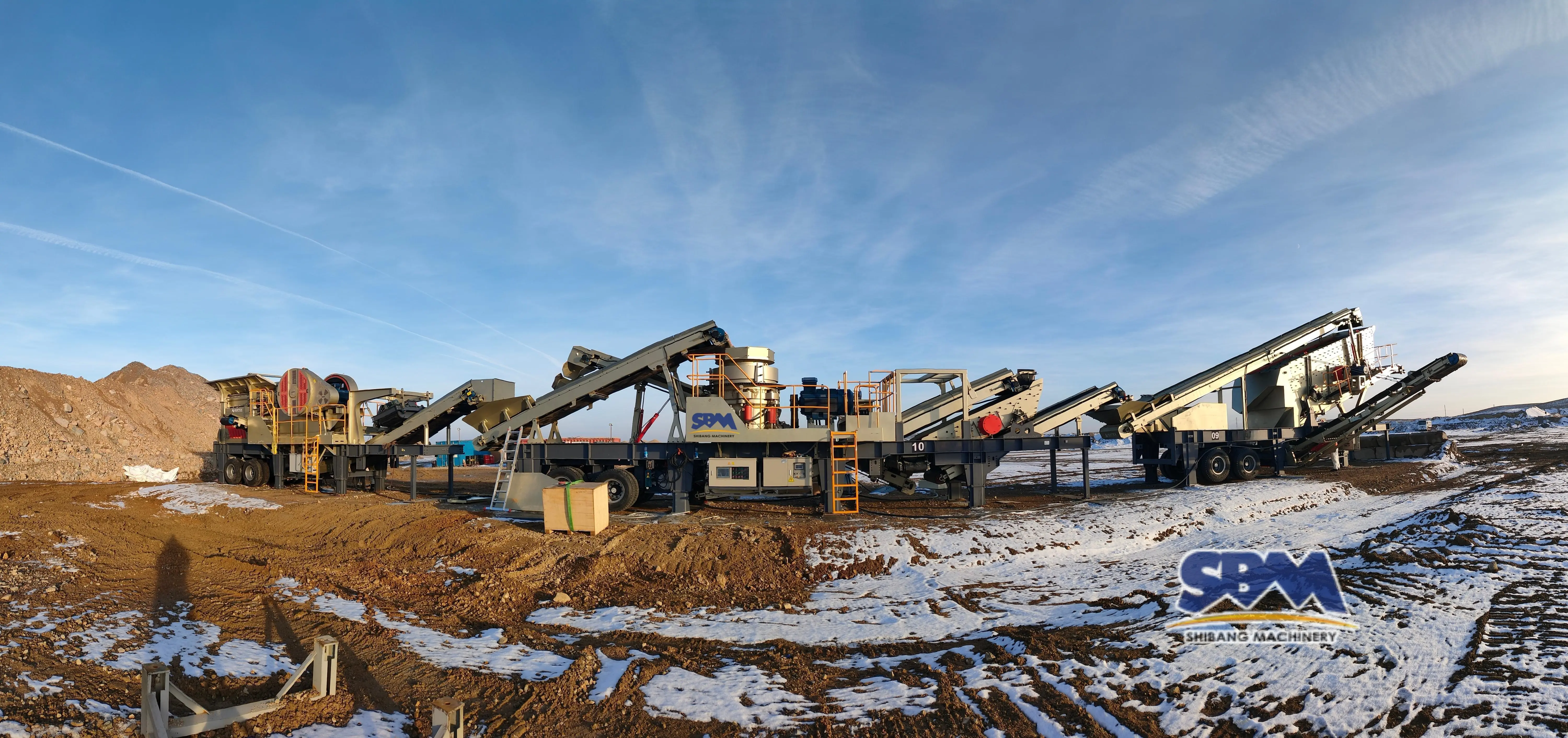
Quando você planeja um projeto de britagem de granito, uma das primeiras decisões é investir em um planta estacionária contra um triturador de granito móvel. Ambos podem processar muito, granito abrasivo, mas eles se adaptam a estilos de trabalho muito diferentes, contratos, e orçamentos. Escolher o tipo errado leva a um custo por tonelada mais alto, capacidade desperdiçada, ou pouca flexibilidade.
Este guia enfoca a real necessidade por trás da busca por “triturador de granito móvel”: não apenas o que a máquina é, mas quando realmente faz sentido, como configurá-lo, e como evitar erros comuns ao comparar opções móveis e fixas.
Quando um triturador de granito móvel faz sentido?
Trituradores móveis não se trata apenas de “faixas legais” ou conveniência – elas são uma ferramenta de negócios. Eles funcionam melhor quando pelo menos uma das seguintes afirmações é verdadeira:
- Projetos de curto prazo ou móveis
- Construção de estradas, bases de parques eólicos, ou pequenos afloramentos graníticos onde o estaleiro muda frequentemente.
- Depósitos dispersos
- Vários pequenos poços de granito que estão muito distantes entre si para alimentar economicamente uma planta estacionária central.
- Vida útil do projeto limitada ou incerta
- Você deseja manter a flexibilidade porque poderá mudar para outra região ou mudar de material após alguns anos.
- Britagem no local para clientes
- Como empreiteiro, você leva o britador até a fonte de granito do cliente em vez de transportar a rocha para uma planta fixa.
Se você tem um grande, pedreira de granito de longa vida e demanda estável, uma planta estacionária geralmente ganha no custo por tonelada. Se você precisa se mudar com frequência ou trabalhar em muitos sites, um triturador de granito móvel pode ser a melhor escolha, apesar do custo unitário mais alto.
Britagem de granito móvel vs estacionária - principais diferenças
1. Investimento e Custo Operacional
- Planta estacionária
- Maior investimento inicial em obras civis e estruturas fixas.
- Menor custo de longo prazo por tonelada, especialmente acima de 200–300 tph.
- Triturador de granito móvel
- Menor custo civil e configuração mais rápida; você paga principalmente pelas próprias unidades móveis.
- Custos operacionais mais elevados por tonelada (combustível, vestir, capacidade menor) mas mais flexibilidade.
2. Capacidade e gama de produtos
- Estacionário
- Móvel
- As capacidades típicas de linha única variam de cerca de 50 a 300 tph.
- Suficiente para muitos projetos de infraestrutura e mercados regionais, mas não é ideal para grandes, pedreiras de granito de longo prazo.
3. Flexibilidade e Reimplantação
- Estacionário
- Melhor se a fonte de granito e a localização da demanda permanecerem estáveis por muitos anos.
- A realocação é cara e lenta.
- Móvel
- Pode ser movido dentro de dias ou até horas entre sites.
- Permite que você siga o rosto no poço, reduzindo a distância de transporte do caminhão.
Configurações típicas de britador de granito móvel
1. Mandíbula Móvel + Cone Móvel para Granito
Configurar:
- Britador de mandíbula primário móvel (trumck ou montado sobre rodas)
- Triturador de cone móvel para britagem secundária
- Tela do celular (frequentemente combinado com cone ou separado)
Melhor para:
- Granito duro com capacidade necessária em torno de 100–300 tph.
- Projetos que necessitam de bom equilíbrio entre flexibilidade e agregados de qualidade.
Prós:
- Britagem por compressão em ambas as etapas, mais adequado para granito abrasivo.
- Você pode estacionar o trem mais perto do rosto e se mover conforme o poço se aprofunda.
Contras:
- Maior custo total de combustível e desgaste em comparação com uma linha estacionária semelhante.
- Mais complexo de operar e coordenar quando se move com frequência.
2. Mandíbula Móvel + Impacto móvel para granito (Uso Seletivo)
Configurar:
- Mandíbula móvel como principal.
- Triturador de impacto móvel como secundário/modelador.
Melhor para:
- Granito misturado com rocha mais macia ou material reciclado.
- Casos em que o formato do produto é mais importante que a vida útil do liner.
Prós:
- Muito bom formato de partícula para concreto e asfalto.
- Pode produzir tamanhos menores com valor agregado em um espaço compacto.
Contras:
- O desgaste nas barras de impacto e revestimentos pode ser muito alto em granito puro e duro.
- Geralmente funciona melhor quando cabos de impacto pré-esmagados, alimentação bem controlada.
3. Cone Móvel Único (Apenas secundário)
Configurar:
- Mandíbula estacionária na pedreira principal + cone móvel usado em estoques remotos ou poços de satélite.
Melhor para:
- Os grandes produtores que já possuem um sistema primário estacionário, mas precisam de capacidade secundária móvel em locais específicos.
Prós:
- Reutiliza o investimento de mandíbula estacionária existente.
- Adiciona capacidade flexível onde e quando necessário.
Contras:
- Mais coordenação e logística são necessárias para equilibrar a produção principal e satélite.
Escolhendo entre móvel e estacionário para granito – lista de verificação de decisão
- Quanto tempo você vai trabalhar nesta fonte de granito?
- Mais de 8 a 10 anos com grandes reservas → estacionário geralmente é melhor.
- Vida mais curta ou incerta → mobile ganha importância.
- Quantos sites você planeja operar?
- Uma grande pedreira → estacionária.
- Vários pequenos poços ou locais de contrato → móvel ou híbrido.
- Qual é a sua capacidade alvo?
- Acima 300 tph contínuo → estacionário é geralmente mais econômico.
- 50Faixa de –300 tph → soluções móveis são realistas.
- A que distância está o rosto da energia e infraestrutura mais próximas?
- Acesso próximo e fácil → estacionário.
- Terreno remoto ou difícil → a mobilidade pode economizar custos de transporte e civis.
- O que é mais importante agora: menor custo por tonelada, ou máxima flexibilidade?
- Menor custo por tonelada → estacionário.
- Flexibilidade e contrato de trabalho → móvel.
As dúvidas ao comprar um triturador de granito móvel – e como evitá-las
- Apontar 1: Comprando um britador móvel projetado para rochas mais macias
- Algumas unidades móveis são otimizadas para calcário ou reciclagem; usá-los em granito duro leva a um desempenho ruim e desgaste rápido.
- Solução: insista em referências comprovadas de granito e verifique o projeto das peças de desgaste quanto a dureza, material abrasivo.
- Apontar 2: Subestimando a logística e as licenças
- Movimentos frequentes significam licenças, transporte rodoviário, e planejamento extra.
- Solução: calcular não apenas o custo de britagem, mas também tempo de movimentação e configuração.
- Apontar 3: Operando um britador móvel como uma planta estacionária
- Estacionar em um lugar durante anos muitas vezes significa que você teria se saído melhor com uma planta fixa.
- Solução: seja honesto sobre quantas vezes você realmente se moverá; escolha estacionário ou híbrido se o movimento for raro.
- Apontar 4: Fraco pós-venda local e suporte de peças
- Para unidades móveis, o tempo de inatividade na estrada pode ser mais doloroso do que em uma fábrica permanente.
- Solução: verifique a disponibilidade de peças de reposição, rede de serviços, e suporte remoto antes de comprar.
Perguntas frequentes sobre trituradores de granito móveis
1. Um britador móvel de granito pode atingir a mesma capacidade que uma planta estacionária??
Em faixas menores a médias (cerca de 50-300 tph), britadores de granito móveis podem atingir capacidades semelhantes às configurações estacionárias. Para capacidades muito altas acima de 300–400 tph, plantas estacionárias são geralmente mais eficientes e econômicas.
2. A operação de um britador de granito móvel é mais cara do que uma planta estacionária??
Normalmente sim, com base no custo por tonelada, devido ao maior consumo de combustível, escala menor, e às vezes maior desgaste. No entanto, para projetos de curto prazo ou multi-site, a flexibilidade e o transporte reduzido ainda podem tornar as soluções móveis mais lucrativas em geral.
3. Posso começar com um britador de granito móvel e depois mudar para uma planta estacionária?
Muitas empresas fazem isso: eles começam com uma unidade móvel para testar o mercado e gerar fluxo de caixa antecipado, então invista em uma planta estacionária, uma vez que as reservas, demanda, e as licenças são estáveis. Se planejado desde o início, algumas unidades móveis podem até ser reutilizadas como trituradores de backup ou satélite após a construção da linha estacionária.