پست الکترونیک: [email protected]

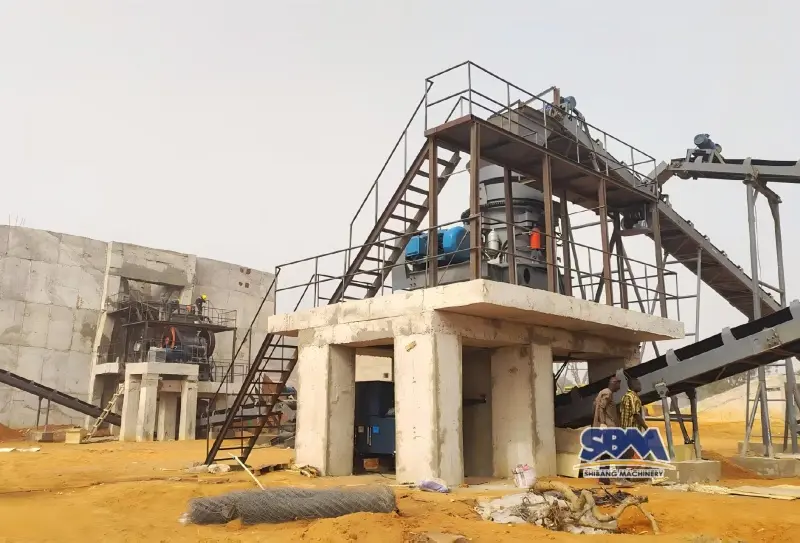
جستجو برای aسنگ شکن گرانیت برای فروش معمولاً به این معنی است که شما آماده سرمایه گذاری پول واقعی هستید و انتظار یک پول قابل اعتماد را دارید, راه حل بلند مدت, نه فقط یک دستگاه ارزان قیمت. چالش این است که گرانیت یک سنگ بسیار سخت و ساینده است, بسیاری از سنگ شکن های "عموم" که روی کاغذ جذاب به نظر می رسند می توانند در واقعیت بسیار گران باشند.
این راهنما بر روی خود فرآیند خرید تمرکز دارد: نحوه انتخاب نوع مناسب سنگ شکن گرانیت, نحوه مقایسه نقل قول های مختلف, و چگونه می توان از مشکلات رایجی که منجر به سایش زیاد می شود جلوگیری کرد, خرابی, و هزینه های پنهان. ارتباط نزدیکی با بهترین سنگ شکن های فکی گرانیتی دارد, سنگ شکن های گرانیت, طراحی کامل گیاه, کاهش سایش, و هزینه هر تن. ما این مسائل را از دیدگاه کاربر بررسی خواهیم کرد.
خریداران واقعا به دنبال چه نوع سنگ شکن گرانیتی هستند?
وقتی جستجو می کنید “سنگ شکن گرانیت برای فروش,” نیازهای شما معمولاً شامل موارد زیر است:
- سرمایه گذار جدید: راه اندازی اولین پروژه معدن کوچک تا متوسط یا سنگ شکن و ساده می خواهد, انتخاب مطمئن.
- مالک معدن موجود: یک کارخانه قدیمی دارد و می خواهد یک دستگاه کلید را جایگزین یا ارتقا دهد (اغلب فک یا مخروط).
- پیمانکار / اپراتور تلفن همراه: برای کارهای کوتاه مدت به یک سنگ شکن گرانیتی قابل حمل یا روی مسیر نیاز دارد.
هر مشتری اولویت های متفاوتی دارد: برخی بر روی کمترین قیمت اولیه تمرکز می کنند, برخی در هزینه های بلندمدت هر تن, و دیگران برای تحرک تجهیزات و قابلیت جابجایی سریع آن ارزش قائل هستند. ادامه این مقاله به هر مشتری کمک می کند تا انتخاب آگاهانه تری داشته باشد.
انواع سنگ شکن گرانیت هسته ای که می توانید بخرید
به جای تمرکز بر اصول فنی, ما از منظر تکرار خواهیم کرد “تصمیم خرید” هر مدل برای چه نوع کاربری و چه شرایط کاری مناسب است.
1. سنگ شکن فکی برای گرانیت (اصلی)
- چه کسی باید خرید کند:
- معادن جدید عمدتاً بر روی گرانیت یا سنگ سخت مخلوط کار می کنند.
- گیاهان موجود که از اولیه اشتباه استفاده می کنند (مثلا, یک فک کوچک قدیمی که ظرفیت را محدود می کند).
- چرا مهم است:
- سنگ شکن اولیه تعیین می کند که بلوک های خام شما چقدر می توانند بزرگ باشند و تولید پایین دستی چقدر پایدار خواهد بود.
- اشتباه خرید معمولی:
- انتخاب یک فک خیلی کوچک فقط برای "صرفه جویی در پول", سپس کشف می کند که نمی تواند اندازه یا ظرفیت خوراک در دنیای واقعی را مدیریت کند, انجام انفجار ثانویه گران قیمت یا توقف های مکرر.
2. سنگ شکن مخروطی برای گرانیت (ثانی)
- چه کسی باید خرید کند:
- معادنی که از قبل دارای فک هستند و ظرفیت و شکل محصول بهتری را می خواهند, گرانیت ساینده.
- اپراتورهایی که در حال جایگزینی یک سنگ شکن ضربه ای با بارگذاری بیش از حد هستند که در نقش ثانویه استفاده می شود.
- چرا مهم است:
- برای گرانیت, سنگ شکن های مخروطی معمولاً بهترین نسبت کاهش را در طولانی مدت ارائه می دهند, پوشیدن زندگی, و بهره وری انرژی.
اگر می خواهید مقایسه دقیقی از سنگ شکن های مخروطی / ضربه / VSI داشته باشید, لطفا بخوانید دستگاه سنگ شکن گرانیت.
3. تأثیر / سنگ شکن های گرانیت VSI (شکل دهی و شن و ماسه)
- چه کسی باید خرید کند:
- تولیدکنندگانی که سنگدانههای مکعبی با ارزش برای بتن و آسفالت را میفروشند.
- شرکت هایی که به شن و ماسه ساخته شده از گرانیت نیاز دارند.
- چرا مهم است:
- این ماشینها شکل ذرات را بهبود میبخشند و میتوانند محصولات مرغوبی تولید کنند, اما آنها باید به درستی استفاده شوند تا از سایش شدید بر روی سنگ سخت جلوگیری شود.
نکات: در مورد استفاده از سنگ شکن ضربه ای / سنگ شکن VSI به عنوان تجهیزات اصلی برای پردازش گرانیت احتیاط کنید. اگر می خواهید در مورد دلایل بیشتر بدانید, لطفا بخوانید نحوه کاهش سایش هنگام خرد کردن گرانیت و هزینه خرد کردن گرانیت در هر تن.
سنگ شکن گرانیت ثابت در مقابل سنگ شکن گرانیت موبایل برای فروش
مشتریان اغلب می پرسند, “ثابت بخرم یا موبایل؟?” این بخش به طور خاص برای کمک به آنها در تصمیم گیری طراحی شده است.
| سوال | با سنگ شکن گرانیت ثابت بهتر است | با سنگ شکن گرانیت سیار بهتر است |
|---|---|---|
| اندازه سپرده & زندگی | بزرگ, معدن سنگ گرانیت با عمر طولانی | رسوبات کوچکتر یا پراکنده |
| هدف ظرفیت | 150+500 تن در ساعت, مستمر | 50– 300 تن در ساعت, قابل انعطاف |
| نوع پروژه | معدن دائمی, تامین چندین گیاه | پروژه های راه, قراردادهای کوتاه مدت, تخریب + مخلوط گرانیت |
| اولویت | کمترین هزینه هر تن | راه اندازی سریع, جابجایی, سرمایه گذاری اولیه کمتر |
بزرگترین اشتباه خرید سنگ شکن گرانیت سیار صرفاً به این دلیل است که راحت به نظر می رسد, سپس آن را مانند یک کارخانه ثابت راه اندازی کنید و از فرسودگی و هزینه سوخت بالاتر شکایت کنید. شما باید راه حل را با نحوه کار روزانه آنها مطابقت دهید.
نحوه مقایسه پیشنهادات سنگ شکن گرانیت (نه تنها برچسب قیمت)
بسیاری از مشتریان این سوال را دارند: چندین تامین کننده قیمت هایی را ارائه می دهند که شبیه به هم هستند, انتخاب را دشوار می کند. در اینجا یک چک لیست ساده وجود دارد:
وقتی چندین “سنگ شکن گرانیت برای فروش” پیشنهاد می کند, آنها را مقایسه کنید:
- ظرفیت واقعی در شرایط گرانیت
- بپرسید که آیا ظرفیت ذکر شده بر اساس سنگ نرم است؟ (مانند سنگ آهک) یا گرانیت سخت.
- اطمینان حاصل کنید که تامین کننده انتظارات ظرفیت را برای مواد شما تنظیم می کند.
- حداکثر اندازه فید و CSS توصیه شده
- بررسی کنید که دهانه خوراک و محفظه مطابق با بزرگترین بلوک های شما باشد.
- محدوده اندازه خروجی معمولی را تأیید کنید تا بدانید که آیا تجهیزات پایین دستی می توانند آن را مدیریت کنند یا خیر.
- پوشیدن نیمه عمر و در دسترس بودن
- صفحه فک معمولی را بخواهید, آستر مخروطی یا عمر میله ضربه در گرانیت, نه فقط "شرایط استاندارد".
- موجودی محلی یا منطقه ای قطعات سایش و زمان تحویل را تأیید کنید.
- مصرف برق و توان نصب شده
- قدرت نصب شده بالاتر همیشه بهتر نیست; شما کیلووات ساعت کارآمد در هر تن می خواهید, نه فقط یک موتور بزرگتر.
- خدمات, راه اندازی و آموزش
- بررسی کنید که چه کسی دستگاه را نصب می کند, اپراتورهای خود را آموزش دهید, و در ماه های اول از شما حمایت کند.
اطلاعات گرانیتی خود را برای ما ارسال کنید و ما با پیکربندی دقیق و تفکیک هزینه شفاف پاسخ خواهیم داد, بنابراین می توانید پیشنهادات مختلف را با اطمینان مقایسه کنید.
اشتباهات رایج خرید هنگام خرید سنگ شکن گرانیت
در اینجا ما به طور خاص مشکلات رایج از a را فهرست می کنیم “دیدگاه خرید”:
- اشتباه 1: انتخاب فقط بر اساس قیمت
- یک سنگ شکن گرانیتی بسیار ارزان می تواند به گران ترین گزینه تبدیل شود، زمانی که سایش را وارد کنید, خرابی و تولید از دست رفته.
- اشتباه 2: نادیده گرفتن اندازه واقعی خوراک و درصد جریمه ها
- بسیاری از مشتریان بزرگی بزرگترین تختهسنگها و مقدار خاک/ریزهها را دستکم میگیرند, منجر به انسداد مکرر و سایش زیاد می شود.
- اشتباه 3: خرید نوع نامناسب برای گرانیت
- استفاده از سنگ شکن ضربه ای به عنوان سنگ شکن اصلی در بسیار سخت, گرانیت ساینده معمولاً منجر به مصرف شدید میله ضربه ای و تعمیرات مکرر می شود.
- اشتباه 4: بدون برنامه ریزی برای قطعات یدکی و خدمات
- خرید دستگاه بدون بررسی تامین قطعات یدکی, زمان تحویل و پشتیبانی خدمات می تواند باعث خرابی طولانی شود، زمانی که چیزی در نهایت شکست بخورد.
قبل از درخواست قیمت سنگ شکن گرانیت چه اطلاعاتی را باید ارسال کنید
برای حل واقعی مشکل شما, پیشنهاد می کنیم با ما مشورت کنید یا فرم زیر را پر کنید. این به شما کمک می کند تا پاسخ ها را دریافت کنید و مشکل خود را به راحتی حل کنید:
قبل از اینکه یک تامین کننده بتواند سنگ شکن گرانیت مناسب را برای فروش توصیه کند, آنها حداقل نیاز خواهند داشت:
- نوع مواد (سنگ گرانیت, هر مخلوطی با بازالت, سنگ رودخانه, و غیره)
- حداکثر اندازه خوراک و توزیع اندازه معمولی
- ظرفیت هدف بر حسب تن در ساعت (و ساعات کار در روز)
- اندازه و کاربرد نهایی محصول (به عنوان مثال،, بتونی, آسفالت, لایه پایه)
- این که آیا شما یک ثابت می خواهید, متحرک, یا محلول ترکیبی
شما می توانید این لیست را از قبل تهیه کرده و برای ما ارسال کنید. این کار توصیه ها را دقیق تر می کند و روند نقل قول را سرعت می بخشد.
سوالات متداول در مورد خرید سنگ شکن گرانیت
1. آیا باید یک سنگ شکن گرانیتی بخرم یا یک کارخانه سنگ شکن کامل؟?
اگر در حال شروع یک پروژه گرانیت جدید هستید, یک گیاه کامل (فک + مخروط + صفحه نمایش, و Impact/VSI اختیاری) معمولاً منطقی تر از یک ماشین است. خرید تنها یک سنگ شکن ممکن است ارزان تر به نظر برسد, اما شما در خطر ایجاد یک سیستم نامتعادل هستید که نتواند به ظرفیت یا کیفیت محصول مورد نظر شما برسد.
2. چگونه بفهمم که سنگ شکن گرانیت واقعاً برای سنگ سخت مناسب است?
بررسی کنید که آیا تامین کننده به وضوح مناسب بودن گرانیت یا سایر سختی ها را بیان می کند, سنگهای ساینده. از مشتریان موجود گرانیت مرجع بخواهید, ارقام زندگی معمولی, و انواع محفظه توصیه شده. اگر بروشور فقط مواد نرمی مانند سنگ آهک یا بتن بازیافتی را ذکر می کند، محتاط باشید.
3. آیا می توانم برای صرفه جویی در هزینه از یک سنگ شکن گرانیت استفاده شده استفاده کنم؟?
سنگ شکن های استفاده شده می توانند CAPEX اولیه را کاهش دهند, اما باید وضعیت قاب را به دقت بررسی کنید, شفت اصلی, بلبرینگ ها, و عمر لاینر باقی مانده است. اگر دستگاه بسیار قدیمی است یا در شرایط نامعلومی استفاده شده است, هزینه های تعمیر و خرابی پنهان می تواند هر گونه صرفه جویی را جبران کند. یک جدید, سنگ شکن با اندازه مناسب با پشتیبانی پس از فروش خوب اغلب برای عملیات طولانی مدت گرانیت ایمن تر است..