Email: [email protected]

Track-type Mobile Crusher: Specs, Components, Uses & Benefits

Mining and construction work today needs machines that are not only strong, but also quick, easy to move, and trustworthy. The Track-type Mobile Crusher meets these needs by changing how rocks and minerals are crushed—making production mobile and very efficient, right where the job happens. This guide shows you all the helpful details, how the machine works, and real examples of how this advanced tracked crusher can be used.
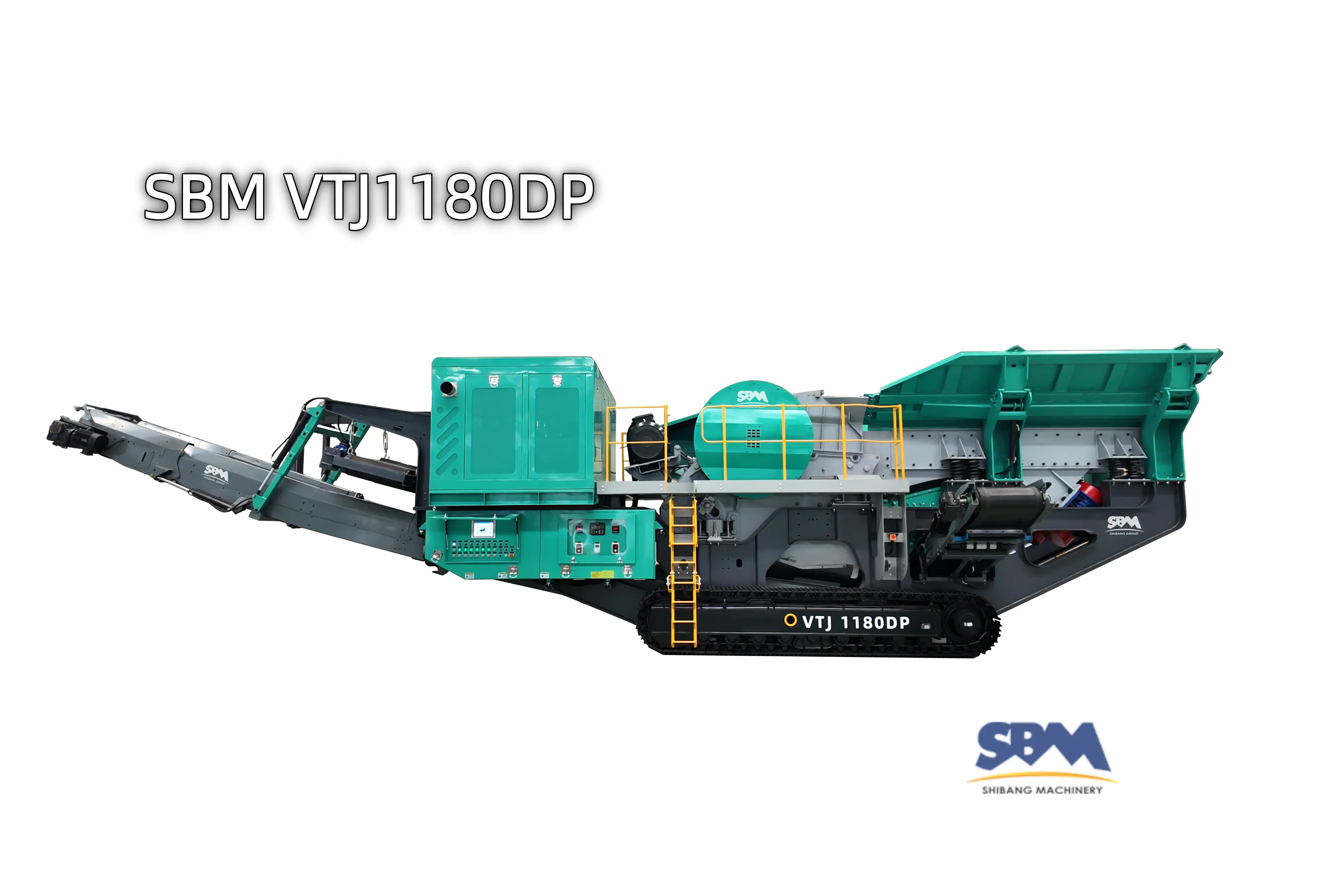
What Is a Track-type Mobile Crusher?
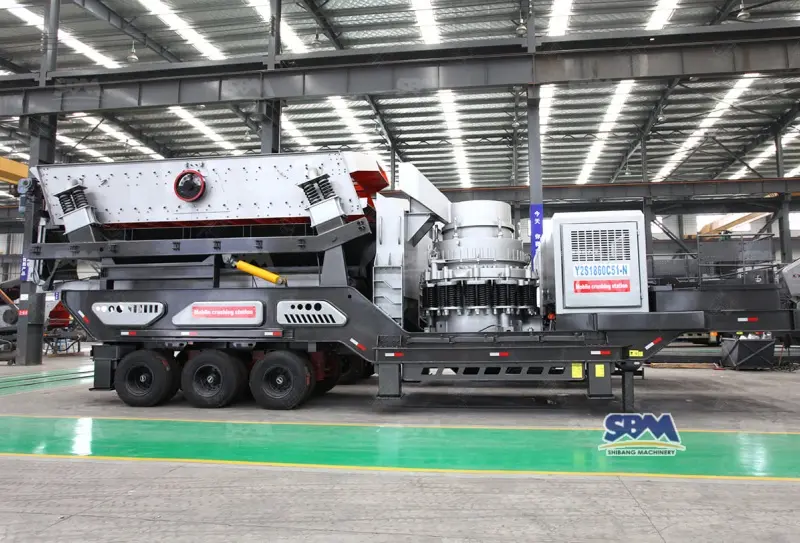
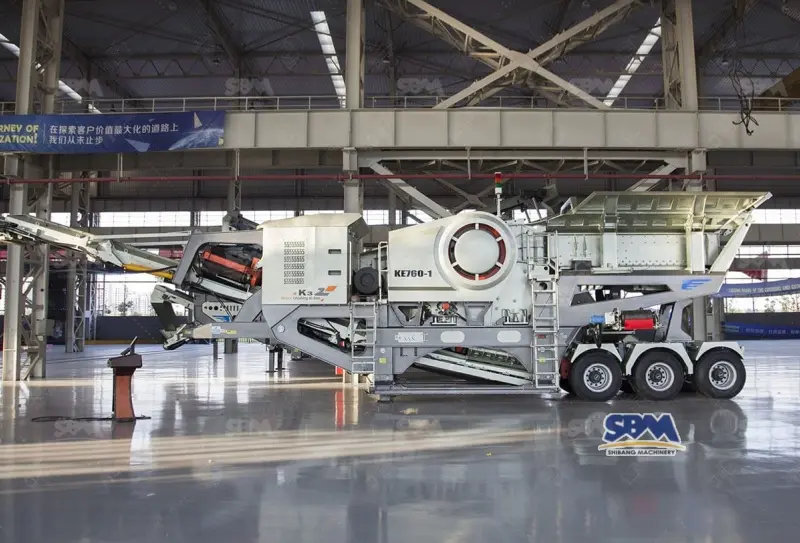
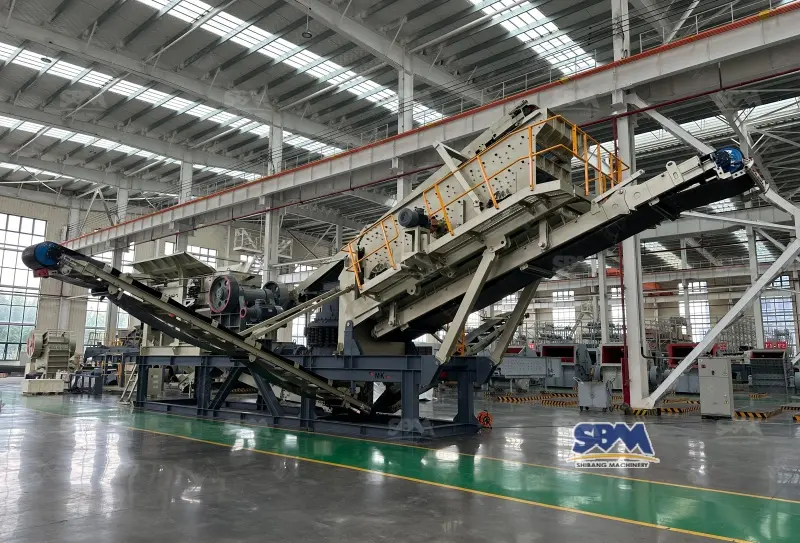
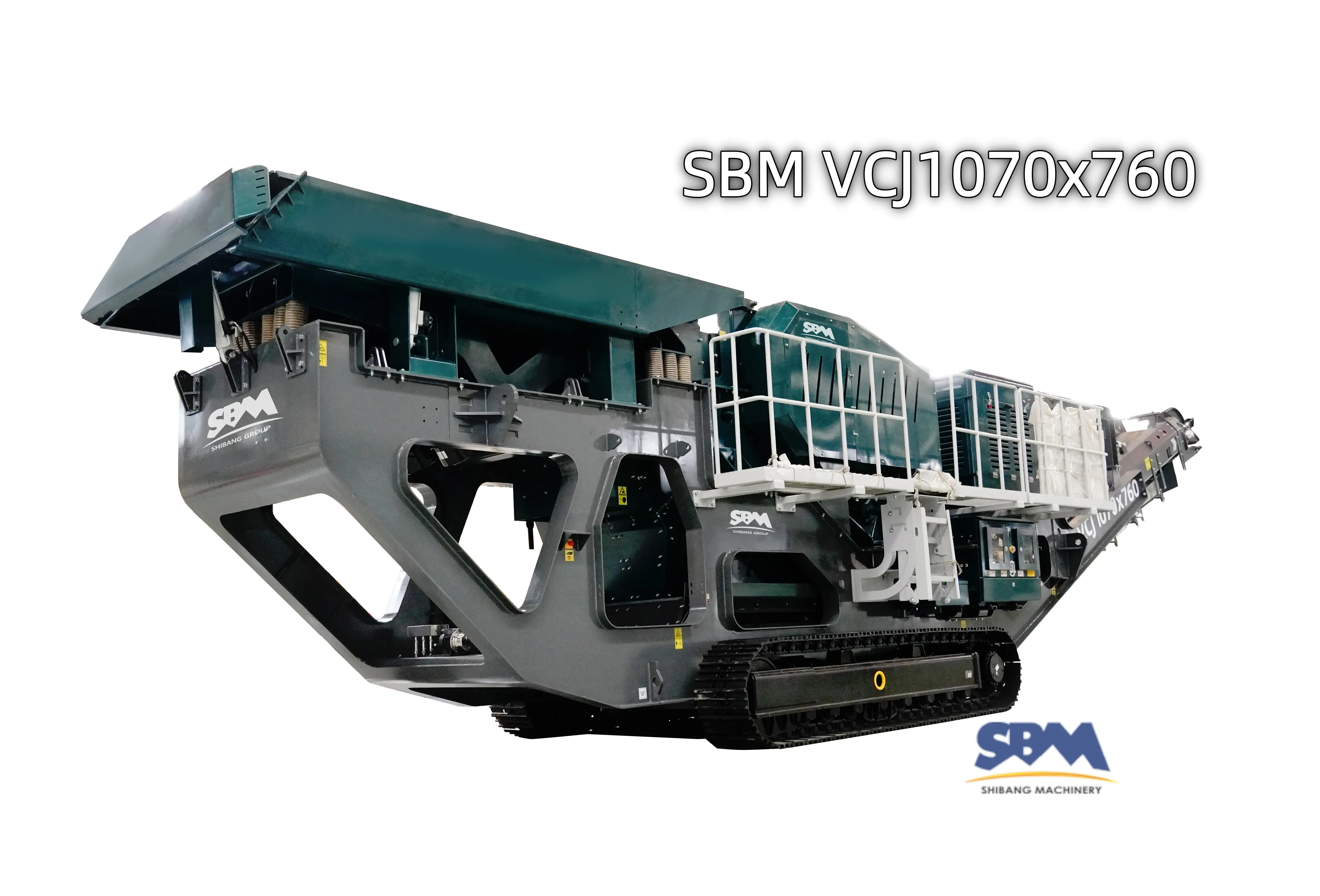
A Track-type Mobile Crusher is a strong, self-moving crushing machine on hydraulic tracks (like tank treads), which can easily travel over rough, hilly, or muddy land. Unlike regular fixed crusher, this machine brings the crushing process directly to your materials. You can use it anywhere—mining sites, quarries, demolition areas, or recycling centers—with little setup and no need for concrete bases.
Key features include:
- Built-in systems for feeding, crushing, screening, and moving materials
- Works well with rocks, ore, construction debris, and recycled waste
- Fast setup, simple one-button control, and remote movement
- Modular design lets you link several crusher for big projects.
Essential Structural Components
Receiving System
Before crushing begins, material is loaded into hoppers and bins, ensuring stable, uninterrupted feeding.
- Reduces blockages during operations
- Guarantees smooth material flow
Feeding System
Tracks or vibrating feeders transport material from hoppers into the crusher.
- Uniform, adjustable feeding maximizes efficiency
- Supports a mix of rock types and sizes
Crushing System
The heart of the Track-type Mobile Crusher, where material is broken into usable sizes.
- Jaw crusher: For hard, abrasive rocks
- Cone crusher: For secondary/tertiary crushing
- Impact crusher: For shaping aggregates
Screening and Separation
Screens and conveyors sort crushed products, remove iron or contaminants, and transport final aggregates.
| System | Function | Technologies | Benefits |
|---|---|---|---|
| Receiving | Material intake | Hoppers, bins | No blockages |
| Feeding | Transfer to crusher | Vibrating feeders | Uniform flow |
| Crushing | Break down rock/ore | Jaw/Cone/Impact | High efficiency |
| Screening | Sort, separate, convey | Flat/Inclined screens | Clean output |
Track-type Mobile Crusher Specifications
| Product Name | Capacity (t/h) | Feeding Size (mm) | Engine Power (kW) | Weight (kg) | Configuration |
|---|---|---|---|---|---|
| SBM Track Mobile Crusher | 30-450 | ≤700 | 200-400 | 48,000-230,000 | Jaw/Cone/Impact |
- No need for concrete foundation
- Hydraulic tracks for self mobility
- Modular combinations with other crushers
For more technical specs, Ask An Expert
Power and Drive Systems
SBM Track-type Mobile Crushers offer different power types:
- Full hydraulic drive (uses energy well)
- Electric drive for clean, quiet operation
- Dual-mode that combines hydraulic power and electric savings
Smart fuel control helps you save up to 25% fuel compared to older machines, cutting operating costs and lowering your environmental impact.
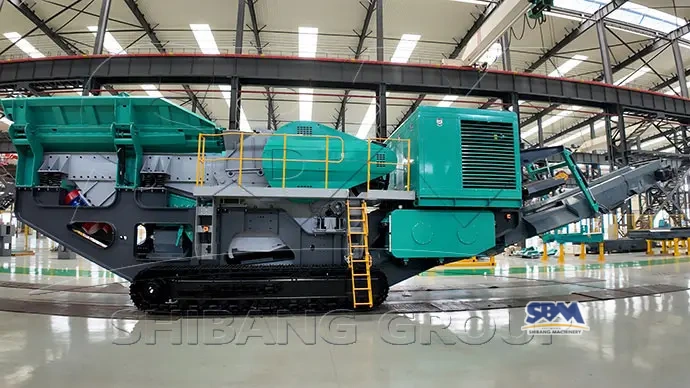
Unmatched Mobility and On-site Efficiency
You know what’s great? Watching your machine move over a muddy hill or rocky ground to crush material exactly where you want it. That’s exactly what a crawler crusher does:
- Fast moving from one site to another with a trailer
- No need for ingress roads or support trucks
- Accurate placement thanks to tracks
- Can work on soft, uneven, or steep land
Personal note: Quick setup means you can start or finish work sooner—especially helpful in mining, remote quarries, or disaster zones.
Flexible Applications
Mining & Mineral Processing
- Crushes ore in the first and second stages (including iron, copper, and gold)
- Works well in tough conditions and with hard materials
Aggregate Production & Construction
- Crushes large amounts of concrete, asphalt, and road base materials
- Helps clean up sites and turn old materials into new, usable stone
Waste Management & Demolition Recycling
- Breaks down construction waste and separates reusable parts
- Lowers landfill costs and helps recover more materials for reuse.
Key Benefits & Unique Advantages
| Benefit | Description |
|---|---|
| Mobility | Moves effortlessly across rough terrain; no roads needed |
| Efficiency | Integrated design means less downtime, faster setup/startup |
| Modular Combinations | Build crushing “lines” with other mobile or fixed equipment |
| Cost Savings | Lower foundation, transport, and early-stage costs |
| Environmental Impact | Smaller footprint, cleaner engines, fuel-efficient |
| Easy Maintenance | Accessible design, quick parts replacement, remote support |
| Quick Setup | Site-ready in hours, not days; intuitive one-touch startup |
Operating Principles and Workflow
Imagine this:
You transport your tracked crusher to a rocky mine or demolition site.
- Load raw material into the receiving hopper, which then feeds the crusher.
- The integrated system breaks, screens, and sorts material in one continuous action.
- Output gets conveyed directly to where you need it—stockpiles, trucks, or even another processing stage.
Workflow Chart:
- 1. Site Arrival
- 2. Load Material (hopper)
- 3. Automatic Feeding
- 4. Crushing (Jaw/Cone/Impact, as needed)
- 5. Screening & Sorting
- 6. Stockpiling or further processing
User Experience and Maintenance
Operators like the easy controls—starting and stopping with one touch, checking the machine from a distance, and self-checking for problems. If something goes wrong, the machine warns you right away (thanks to smart control systems). For repairs, all main parts—inlet, crusher, belts—are easy to reach, making regular upkeep and fixes very simple.
SBM also offers spare parts worldwide and remote service teams—keeping your machine running is their top priority.
Frequently Asked Questions
Q: What’s the difference between track-type and wheel-type mobile crushers?
A: Track-type models excel in rough, muddy, or remote sites, with rapid setup and strong performance on tough ground—ideal for mining/quarrying. Wheel-type units transport easily on public roads, suited for urban jobs or routine site moves.
Q: Can I combine these crushers for large projects?
A: Absolutely! Modular design lets you link several mobile crushers, or integrate with fixed/pre-existing equipment, building robust, continuous processing lines for mining or aggregate production.
Actual Equipment Data Table
Based on industry data and model specs from SBM and :
| Component | Technical Specs |
|---|---|
| Feed Hopper | 4.5 x 6.0m; 30m³ capacity |
| Apron Conveyor | 1.8m width; 9.5m length; twin 45kW motors |
| Crusher (jaw/twin) | 2x200kW; 1200mm diameter; up to 1200t/h |
| Discharge Belt | 12m x 1.6m; 30kW; centralized lubrication |
| Conveyor | 1.4m wide; 40m distance; 30kW motive power |
| Weight | 48,000–230,000kg |
Key Takeaways
- Track-type Mobile Crushers are redefining ore, aggregate, and waste processing through unmatched mobility, modular design, cost savings, and reliable operation—especially on tough ground.
- Whether you need primary, secondary, or tertiary crushing, you can select different configurations—jaw, cone, or impact.
- Fast setup, smart controls, and easy maintenance maximize project efficiency and uptime.
- For technical details,
consult the expertor review project cases and user stories.
Direct Comparison of Track-type vs Wheel-type Mobile Crushers
| Feature | Track-type Mobile Crusher | Wheel-type Mobile Crusher |
|---|---|---|
| Terrain Adaptability | Excellent, even in mud/rock | Limited |
| Setup Speed | Rapid (hours) | Slower (needs stabilizers) |
| Site Mobility | Self-propelled, precise | Needs roads/truck |
| Feed Size | Large (up to 700mm/1000mm) | Moderate |
| Max Capacity | Up to 1200t/h | Less |
| Project Types | Mining, quarry, demolition | Urban, roadworks |
Ready for a crusher demo or quote? Contact the experts at SBM