Email: [email protected]

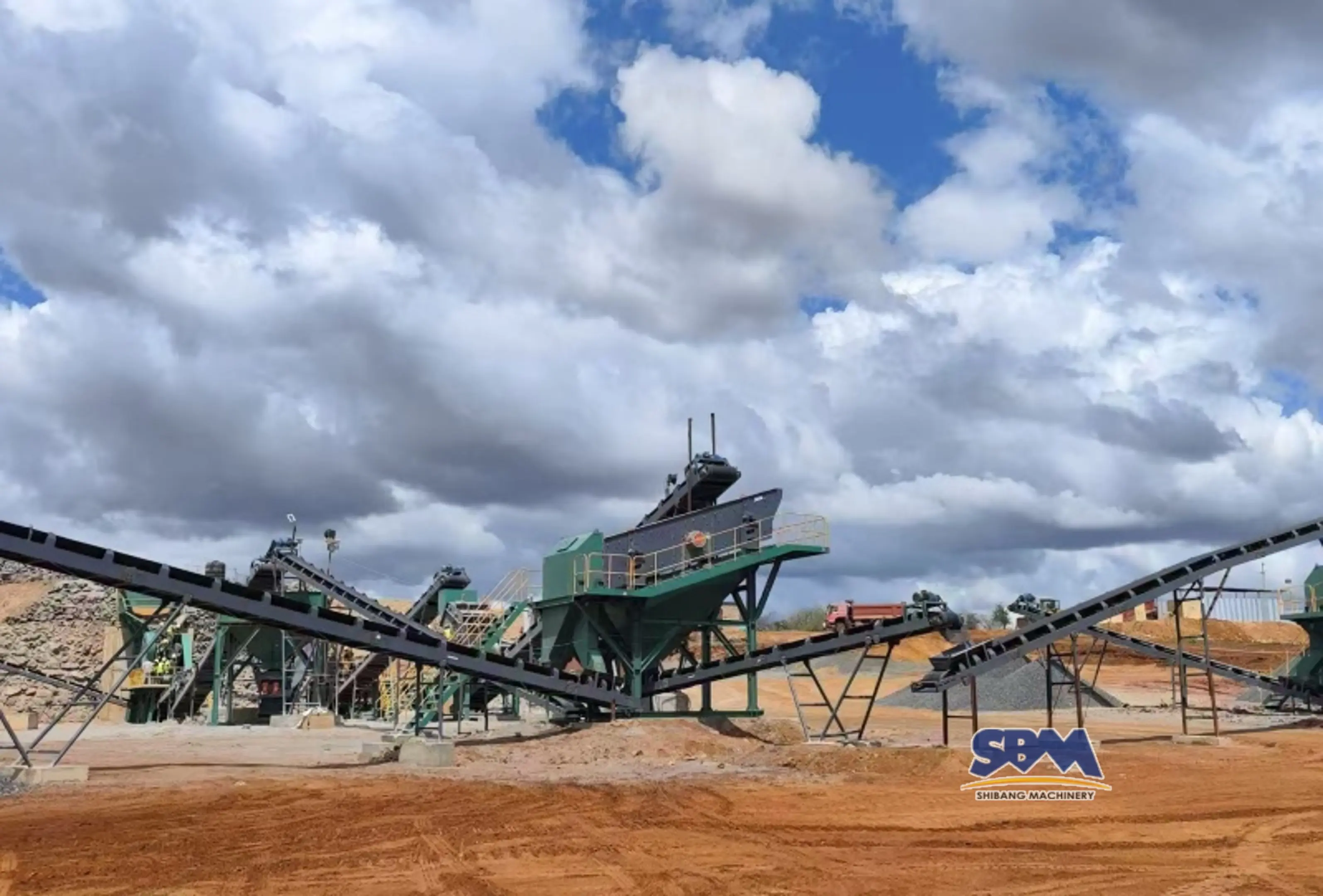
Sustainability and ESG are no longer “nice-to-have” topics in the aggregates business. Investors, contractors and authorities increasingly ask how your granite crushing plant manages energy, emissions, dust and waste—not just how many tons per hour it can produce. At the same time, power prices and carbon regulations mean that improving efficiency is also a direct way to save money. This guide shows how to make a granite crusher line more energy-efficient and environmentally friendly without sacing capacity, and how to communicate these advantages in tenders and customer discussions.
Why Energy Efficiency Matters in Granite Crushing?
Granite is hard and abrasive, so crushing it always requires significant power. However, modern crusher and plant designs can reduce kWh per ton substantially compared with older equipment.
Current trends pushing energy-efficient granite plants include:
- Higher energy prices and pressure to cut operating costs.
- More projects with low‑carbon or sustainability scoring in tenders.
- ESG reporting expectations for mining and quarrying companies.
For many operators, this means that buying or upgrading a granite crusher is no longer only about capacity and wear life—it is also about energy performance and environmental impact.
Features of Modern Energy-Efficient Granite Crushers
Recent generations of jaw and cone crushers—and sometimes impact/VSI units—include several design improvements that reduce energy use and emissions:
- High-efficiency motors and drives
- Modern granite crushers often use IE3/IE4 motors and variable frequency drives (VFDs) to reduce power consumption at partial loads and during start-up.
- Optimized crushing chambers
- Improved chamber geometry and nip angles allow the crusher to process granite with less recirculation and over‑crushing, lowering kWh per ton.
- Automation and load control
- Intelligent control systems automatically adjust CSS, feed rate and speed to keep the crusher at an efficient operating point and avoid energy-wasting choke or starve conditions.
- Hybrid and electric power options
- Some mobile and semi‑mobile granite crushers now support electric or hybrid drives, which can be combined with renewable power sources on site.
These upgrades allow you to cut power draw per ton while often increasing throughput and improving product consistency.
Related Contents:
Plant-Level Strategies for a Greener Granite Crushing Line
Beyond the individual crusher, overall plant design plays a big role in energy use and environmental performance.
Key strategies include:
- Shorter material paths and smarter layout
- Designing the plant to minimize conveyor lengths and unnecessary transfers reduces power consumption and wear on conveyors and chutes.
- Using gravity where possible
- Elevating crushers and screens so that material flows downhill instead of uphill on long conveyors can cut energy requirements.
- Efficient screening and reduced recirculation
- Well-sized and maintained screens lower the amount of material recirculated back to the crushers, saving energy in each stage.
- Integrated dust and noise control
- Modern plants combine enclosures, filters and smart ducting to keep dust and noise within limits, improving health, community relations and compliance.andaminecrushingsolution.
Some operators are also adding on-site solar arrays or green power contracts to reduce the carbon footprint of their granite aggregates. This can be a strong marketing point for infrastructure projects that promote low‑carbon materials.
Related Contents:
Using Waste and Fines: From Problem to Low-Carbon Opportunity
Granite crushing inevitably produces fines and dust, but newer thinking treats these as resources instead of pure waste.
Examples include:
- Manufactured sand (M‑sand) from granite
- Using VSI or dedicated sand-making stages to convert fines into high-quality M‑sand for concrete and asphalt reduces waste and limits the need for natural sand extraction.
- Granite powder as cement replacement
- Recent research shows that fine granite dust can partially replace cement in low‑carbon concrete mixtures, reducing CO₂ emissions while maintaining or improving performance when combined with other mineral additions.
- Recycling construction and demolition waste with granite
- Some modern crushers can process a mix of granite and recycled concrete/asphalt, supporting circular economy goals and reducing landfill.
By turning fines and by‑products into saleable materials or low‑carbon components, a granite plant improves both its environmental profile and financial returns.
Related Contents:
ESG, Community Relations and “License to Operate”
Global ESG trends show growing focus on climate resilience, nature impacts, and social responsibility in mining and quarrying. For granite operations, that translates into:
- Demonstrating reduced emissions and energy intensity per ton of aggregate.
- Managing dust and noise to protect nearby communities and ecosystems.
- Showing responsible use of resources and contributions to local circular economy (e.g., recycled materials).
Modern, energy-efficient granite crushers and plants help operators meet these expectations and strengthen their social license to operate. They can also support better scoring in green building and infrastructure programs that rate materials by embodied carbon and sustainability metrics.
FAQs – Energy-Efficient and Sustainable Granite Crushing
1. Does an energy-efficient granite crusher really reduce my overall costs?
Yes. By using high-efficiency motors, optimized chambers and smart control, modern granite crushers can reduce kWh per ton and wear, which lowers power bills and maintenance costs over the life of the plant.
2. Can existing granite crushing plants become “greener” without full replacement?
In many cases, yes. Upgrades such as VFDs on feeders and crushers, better screening to cut recirculation, improved dust control, and adding a sand line for fines can significantly improve energy and environmental performance without replacing every machine.
3. How can I show my customers that my granite aggregates are more sustainable?
You can track and report energy use per ton, percentage of recycled or by‑product material used, dust and noise control measures, and any renewable energy or low‑carbon concrete initiatives (such as using granite powder in binders). Sharing this data in bids and brochures helps differentiate your materials in an ESG-focused market.