Email: [email protected]

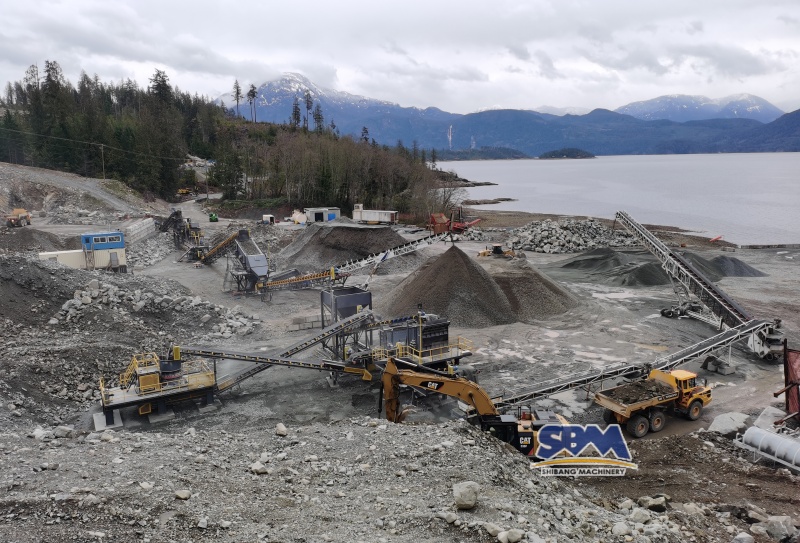
If you are planning a granite crushing project for the first time, the amount of information can be overwhelming: jaw crushers vs impact crushers, cone crushers vs VSI, 100TPH vs 500TPH, mobile crushers vs stationary crushers, highway crushers vs conventional aggregates. Many investors simply search for “granite crushing plant” and then get lost in technical details and conflicting advice. This complete guide is designed as an A-Z roadmap. It doesn’t delve into any single topic (dedicated articles have been published previously.), but it shows the complete journey – from first idea to running factory – and gives you the right detailed guide at each stage.
Step 1: Understand Your Granite and Market
Before talking about machines, you need to clarify two fundamentals: what granite you have and what market you want to serve.
Key questions:
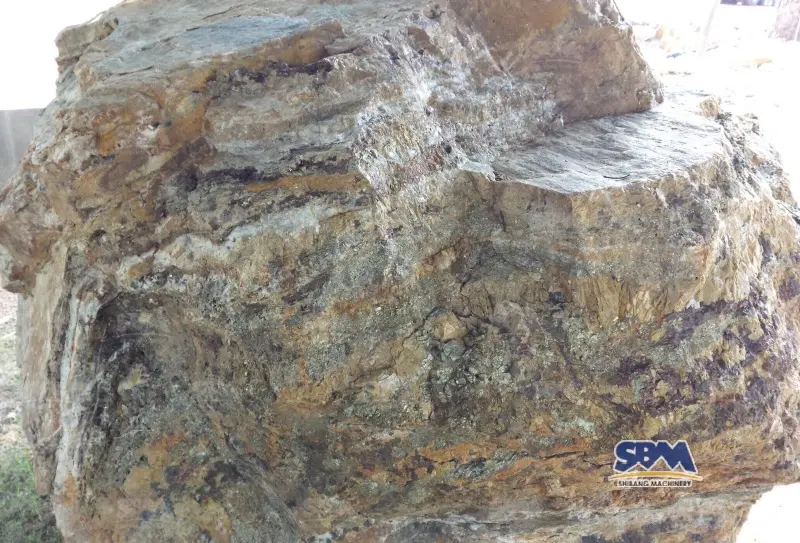
- What is your raw granite like?
- Max block size from blasting or loading.
- Hardness and abrasiveness (typical for granite: hard and highly abrasive).
- What products do you want to sell?
- General construction aggregates, highway/asphalt aggregates, concrete aggregates, manufactured sand, or a mix.
- How much capacity do you really need?
- Starter projects may aim for 100–200 TPH; big quarries may need 300–500 TPH and beyond.
Once you answer these, you can move on to choosing the right core crusher types.
Detailed reading:
Step 2: Choose the Right Core Crushers for Granite
For hard, abrasive granite, the core logic is fairly stable:
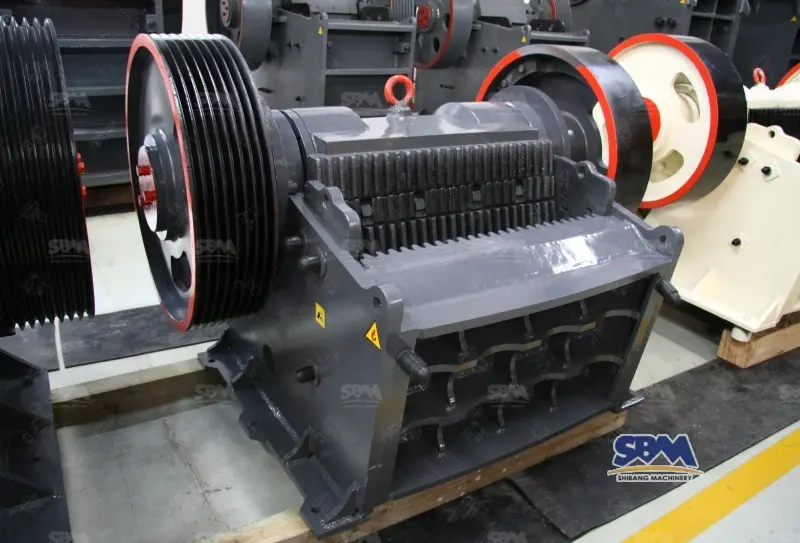
- Primary: PE series jaw crusher
- Secondary: Cone crusher
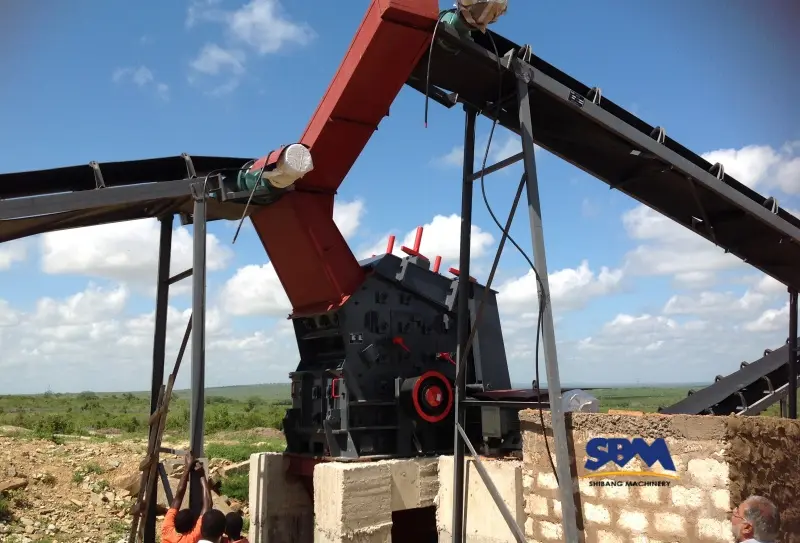
- Optional tertiary/shaping: Impact crusher or VSI
Each has a clear role:
- The PE jaw takes big, hard granite blocks and does the first, most demanding break.
- The cone does controlled, laminated crushing to achieve the required size and gradation.
- The impact/VSI stage is used mainly when you need premium shape for highway/asphalt or high-end concrete, or when making manufactured sand.
Detailed reading:
Step 3: Design the Granite Crushing Plant (Flowsheet & Layout)
Once the core machines are chosen, you move to process design:
Typical flowsheet for 100–300 TPH granite:
- Vibrating feeder → PE jaw crusher → cone crusher → vibrating screen → stockpiles
- Optional: send selected fractions through an impact/VSI for shaping before final screening.
Layout principles:
- Keep material paths short and straight where possible.
- Use elevation to let gravity move material, reducing conveyor length.
- Reserve enough space around crushers and screens for maintenance access and future expansion.
Detailed reading:
Step 4: Decide Between Stationary and Mobile Granite Solutions
One of the most common strategic decisions is whether to go stationary, mobile, or a hybrid:
- Stationary plant
- Best for long‑life granite quarries with stable demand and higher capacities.
- Lower cost per ton in the long term, especially above ~200–300 TPH.
- Mobile granite crusher
- Best for short‑term projects, scattered deposits, or contract crushing where relocation matters.
- Higher operating cost per ton, but greater flexibility.
Many companies start with a mobile unit to test the market and later add a stationary plant once volume and reserves are clear.
Detailed reading:
Step 5: Installation, Commissioning and Start‑up
Even the best design can perform badly if installation and commissioning are not done properly.
Key points:
- Verify foundations and anchor bolts match drawings before installing crushers.
- Level and align the PE jaw and cone correctly; ensure feeders discharge centrally.
- Implement correct start‑up and shut‑down sequences with proper interlocks.
- Commission step by step: no‑load tests → light‑load tests → full‑load optimization.
Good start‑up practices reduce early failures and help you reach design capacity faster.
Detailed reading:
Step 6: Run the Granite Plant Efficiently and Safely
Once running, the focus shifts to stable capacity, product quality, and safety.
Core practices:
- Keep feed continuous and even; avoid big swings and empty periods.
- Tune jaw and cone CSS to balance size and throughput, not just chase the smallest sizes.
- Monitor key KPIs: tons per hour, power consumption, downtime, and product gradation.
- Train operators to recognize early warning signs: unusual noise, temperature, vibration, or product changes.
Detailed reading:
Step 7: Control Wear, Maintenance and Cost per Ton
In granite, wear and maintenance are the biggest drivers of operating cost.
You should:
- Use wear‑resistant jaw plates and cone liners suitable for hard, abrasive rock.
- Implement daily/weekly inspection routines for lubrication, bolts, liners, and drive systems.
- Track how many tons each set of liners produces to optimize change intervals and compare materials.
- Plan strategic spare parts stock (fast‑wear and critical spares) to avoid long downtime.
This reduces unexpected failures and keeps your cost per ton under control.
Detailed reading:
Step 8: Meet Environmental Requirements (Dust and Noise)
Modern granite plants must also handle dust and environmental challenges:
- Use water spray/mist at crusher inlets/outlets and transfer points.
- Add covers, enclosures, and skirt boards to keep dust inside controlled areas.
- Consider dust collectors or bag filters where regulations are strict.
- Manage internal roads, stockpiles, and housekeeping to prevent secondary dust sources.
A cleaner plant protects workers, keeps neighbours happier, and makes permitting and expansion easier.
Detailed reading:
Step 9: Get a Proper Quotation and Supplier Support
To turn the concept into reality, you need a clear quotation and a reliable partner.
Do this:
- Prepare a structured RFQ including material, capacity, final sizes, site conditions, and preferences.
- Ask suppliers to provide process flow diagrams, equipment lists, and scope of supply.
- Compare not just price, but also design suitability for granite, included components, and service/support.
This approach helps you avoid under‑designed or incomplete offers that look cheap but cost more in the long run.
Detailed reading:
Step 10: Grow, Upgrade and Adapt Your Granite Plant
As your business grows, you may:
- Upgrade the jaw to a larger PE model.
- Add a second cone or a tertiary shaping stage to increase capacity and improve shape.
- Add mobile units to serve satellite sites or specific projects (e.g., highway sections).
- Adjust the plant to produce more highway-grade aggregates, more sand, or new size ranges based on market demand.
Your existing plant becomes a platform that can be expanded rather than replaced, if you planned for access and space early.
Detailed reading:
FAQs – Granite Crushing Plant Complete Guide
1. I’m new to granite crushing. What is the minimum information I need before talking to suppliers?
You should at least know your raw material (granite, max feed size), required capacity (tph and working hours), target final sizes and main applications (highway, concrete, base), site conditions (power, terrain, fixed or mobile), and your budget focus (lowest initial investment vs lowest long‑term cost per ton). With this, suppliers can design a realistic solution instead of sending generic offers.
2. Do I need a full three-stage granite plant (jaw + cone + VSI/impact) from the beginning?
Not always. Many projects start with a two‑stage jaw + cone + screen setup, which is enough for general construction and many base materials. If your market later demands premium asphalt or high-spec concrete aggregates, you can add a third shaping stage or upgrade screens as a second step instead of over‑investing on day one.
3. How long does it typically take to move from planning to running a granite crushing plant?
Timelines vary by country and permitting, but once the decision is made and the order is placed, many medium‑size granite plants can be delivered, installed, and commissioned over several months. Good planning—especially in civil works, power supply, and dust control—shortens the overall schedule and reduces costly rework.