Email: [email protected]

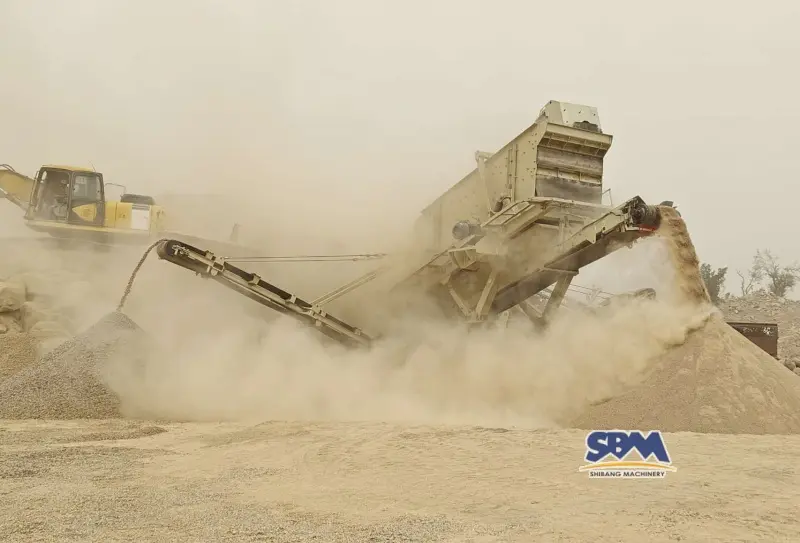
Granite crushing plants often face a serious problem: dust. Hard, abrasive granite produces large amounts of fine particles when broken, screened and transferred. Without effective dust control, operators risk worker health issues, neighbor complaints, dirty conditions and failed environmental inspections. In many areas, dust and noise control have become as important as capacity and cost per ton. This guide focuses on practical dust control and environmental solutions for granite crushing plant using jaw, cone and screen stages. The main question here is: “How do we keep our production lines clean, compliant, and safe while still producing enough granite aggregate?”
Why Granite Crushing Generates So Much Dust
Granite is hard and brittle, which means:
- It breaks into sharp fragments and fines when subjected to compression and impact.
- Multiple crushing stages (jaw + cone + possibly impact/VSI) create fresh surfaces and micro‑fractures.
- High drop heights from crushers to conveyors or stockpiles further fragment small pieces into dust.
The driest and finest part of the material becomes airborne easily, especially around:
- Crusher discharge points.
- Transfer chutes and conveyor drop points.
- Vibrating screens and stockpile areas.
Understanding where dust is generated is the first step toward designing an effective control system.
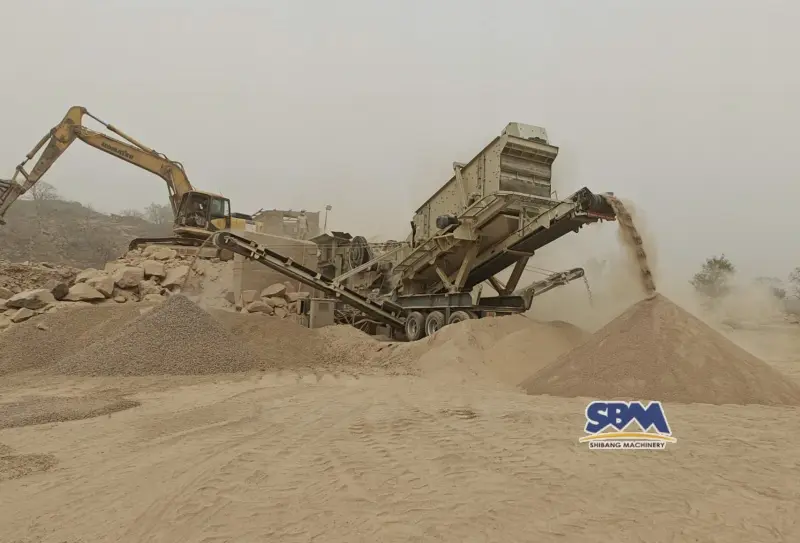
Main Dust Control Methods for Granite Crushing Plants
Different sites and regulations require different combinations of dust control technologies. The most common options are:
- Water spray and mist systems
- Enclosures and covers
- Bag filters and dust collectors
- Good housekeeping and road management
A well‑designed granite plant usually combines several of these rather than relying on a single method.
Water Spray and Mist Systems
Water is one of the most widely used and cost‑effective methods for controlling crusher dust.
Where to spray
- At the jaw crusher feed and discharge to knock down dust at the source.
- At the cone crusher discharge and any tertiary crusher outlets.
- At transfer points where material drops onto conveyors or screens.
- Around stockpile conveyors and final discharge points.
Key considerations
- Use fine mist or spray nozzles, not just large streams, to avoid flooding belts and screens.
- Control water flow to prevent excessive moisture in final products, especially where strict limits apply.
- In cold climates, consider anti‑freeze measures or alternative dust control for winter.
Water systems are relatively simple but need proper design and maintenance to avoid clogging and uneven coverage.
Enclosures, Covers and Skirt Boards
Mechanical enclosure is another important method, especially suitable for working conditions where there is “a lot of dust but not suitable for large amounts of water”.
Crusher and screen enclosures
- Build partial or full enclosures around jaw and cone crushers and around vibrating screens.
- Use access doors and inspection windows for maintenance while keeping dust inside.
Conveyor covers and transfer point sealing
- Cover conveyors with steel or plastic covers to prevent wind from lifting dust.
- Install skirt boards and rubber sealing at transfer chutes to reduce dust escape at belt loading points.
Enclosures work best when combined with either water spray or extraction systems, so dust is not just trapped but also captured and removed.
Dust Collectors and Extraction Systems
For plants under strict environmental regulations or indoors, mechanical dust collection may be necessary.
Typical system components
- Hoods at crushers, screens, and transfer points to capture airborne dust.
- Ducting to transport dusty air to a central collector.
- Bag filters or cartridge collectors to separate dust from air.
- Fans to create the necessary negative pressure and airflow.
Design considerations
- Ensure the collection system is correctly sized for the air volume and number of pickup points.
- Use wear‑resistant materials in ducts where dust load is high.
- Plan dust discharge (e.g., to a bin or back to a conveyor) so collected fines can be reused or safely disposed.
Such systems require more investment but offer strong, measurable control over emissions and help pass strict inspections.
Site Management: Roads, Stockpiles and Housekeeping
Even with excellent equipment control, dust problems can still be severe if factory roads and material yards are poorly managed. You can offer users some actionable suggestions from a “management action” perspective:
- Road dust control
- Regular watering or using dust‑suppressing agents on internal roads.
- Proper grading and maintenance to avoid potholes and loose material.
- Stockpile management
- Design stockpiles with lower slopes and smaller drop heights.
- Use windbreaks or partial covers in windy areas.
- Housekeeping
- Regular cleaning around crushers, screens and transfer points reduces dried dust that can re‑enter the air.
- Secure waste piles and damaged belts to avoid creating additional dust sources.
Good housekeeping improves both environmental performance and safety.
Environmental and Health Benefits of Better Dust Control
Besides dealing with environmental inspections, controlling granite dust brings many tangible benefits to businesses:
- Worker health and safety
- Lower dust levels reduce respiratory risks and improve visibility, lowering accident risk.
- Longer equipment life
- Less dust ingress into bearings, motors, and control cabinets means fewer failures and longer service life.
- Better community relations
- Reduced dust escaping plant boundaries means fewer complaints from neighbours and local authorities.
- Easier compliance and approvals
- Plants with visible dust problems often face stricter inspections and approval difficulties for expansions.
Good dust control also helps achieve more stable production capacity and lower maintenance costs.
How to Plan Dust Control When Designing a New Granite Plant?
Many problems are inherent in the initial design of Granite Crushing Plant. We can provide you with a “design phase checklist.” We consider dust from the very beginning of our design process:
- Include dust control in the initial layout – not as an afterthought.
- Reserve space for enclosures, ducting, and dust collectors near crushers and screens.
- Plan water supply and drainage capacity for spray systems.
- Consider wind direction and place dust‑sensitive equipment and offices accordingly.
- Budget for dust control equipment as part of the main CAPEX, not as optional extras.
FAQs About Dust Control in Granite Crushing Plants
1. Is water spray enough to control dust in a granite crushing plant?
Water spray can significantly reduce dust at many points, especially at crusher inlets and outlets and at transfer points. However, in very dry, windy areas or where strict emission limits apply, water alone may not be sufficient. A combination of water, enclosures, and sometimes mechanical dust collectors usually gives the best results.
2. Will dust control systems affect my granite aggregate quality?
If designed correctly, dust control should not harm product quality. Over‑watering can cause screen blinding or excess moisture in the final product, so spray systems must be adjusted carefully. Mechanical collectors, on the other hand, often allow you to recover fine material and reuse it or control where it enters the product stream.
3. Can I add dust control to an existing granite plant without stopping production for a long time?
Yes. Many dust control measures—such as conveyor covers, local enclosures, and water sprays—can be installed step by step during planned short stops. Larger systems like central dust collectors may require more coordination, but careful planning and phased installation can minimize downtime while still achieving a big reduction in dust.