Email: [email protected]

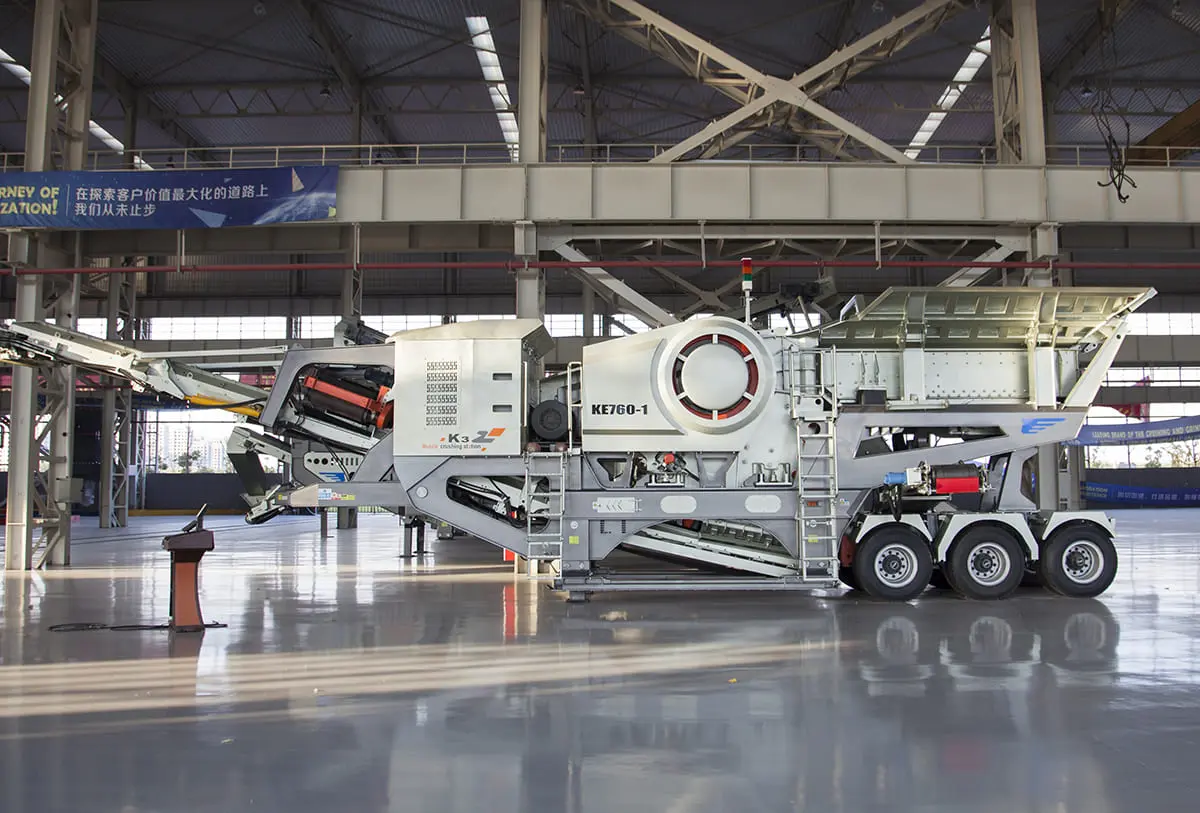
Looking for a granite crusher solution for railway ballast production? Send us your raw material size, target capacity, and ballast size requirements, and we will recommend a customized jaw + cone + screening layout for your rail aggregate project.
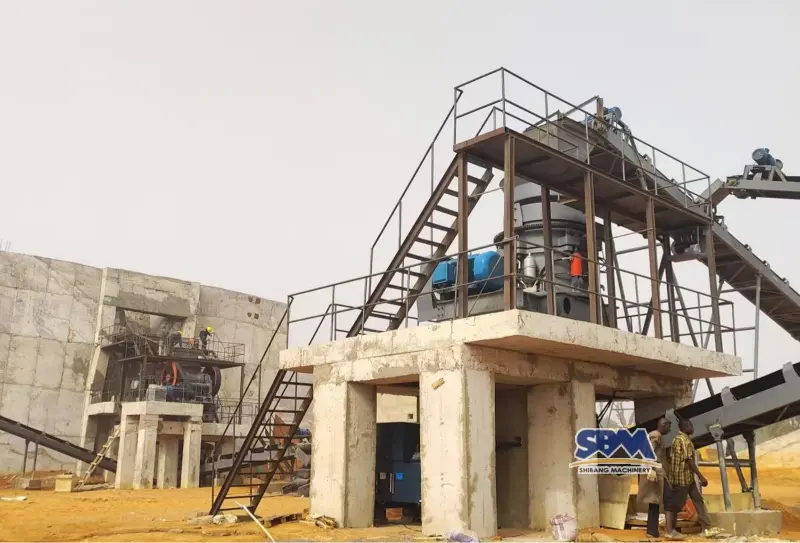
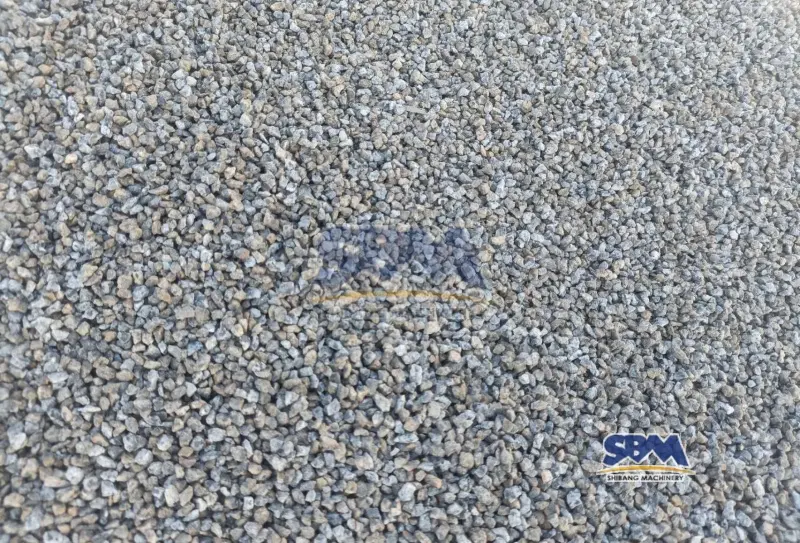
Railway ballast is not just another aggregate product. It must support heavy axle loads, maintain track stability, drain water effectively, and resist long-term breakdown under vibration and repeated impact. That is why many quarry owners and contractors search for a granite crusher for railway ballast rather than a general stone crusher: they need a process that can produce a tough, angular, clean product instead of mixed, flaky, or dusty stone. This article explains how to design a granite ballast production process, which crusher types are most suitable, and what common mistakes reduce ballast quality.
Why Granite Is Used for Railway Ballast?
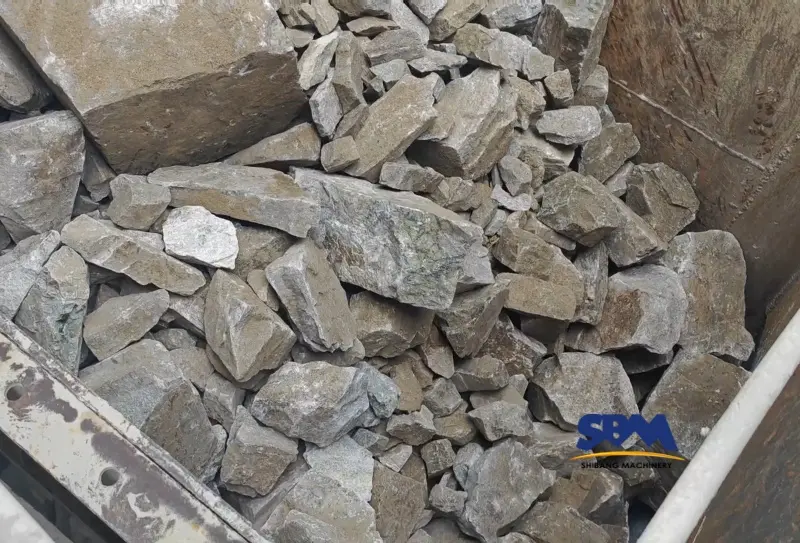
Granite is widely chosen for ballast applications because it is hard, durable, and resistant to wear. But using granite alone does not guarantee a good ballast product. If the crushing process creates too many flat particles, too many fines, or unstable size distribution, the final material may still perform poorly in rail applications.
For ballast buyers, the pain points are usually clear:
- The stone must be strong enough to handle repeated train loads.
- The shape should be angular enough to lock together well.
- The product should not contain too much dust or excessive small particles.
- The size range must stay consistent so drainage and compaction remain reliable.
So the real challenge is not “how to crush granite,” but “how to crush granite for ballast.”
What Railway Ballast Buyers Actually Care About?
When customers search for a ballast crusher solution, they are usually trying to solve one of these problems:
1. Shape problems
Some crushing lines produce too many flaky or elongated particles. These particles break more easily, compact poorly, and reduce track stability over time.
2. Excess fines
Too much dust and undersize material can fill the voids between ballast stones. That hurts drainage and increases maintenance requirements on the track bed.
3. Inconsistent grading
If the final product range is too wide or unstable, railway contractors may reject the material or reduce the purchase price.
4. High production cost
Railway ballast is a premium product, but only if the plant can produce it efficiently. If the line uses the wrong secondary or shaping stage, wear cost can rise fast in hard granite.
Related content:
Because of this, a ballast-focused granite plant should be designed backward from the target end product, not forward from whatever crusher is available.
Best Crusher Setup for Granite Railway Ballast
For most granite ballast projects, the most practical process logic is:
- Primary crushing with a jaw crusher.
- Secondary crushing with a cone crusher.
- Careful screening and recirculation.
- Optional shaping only when necessary.
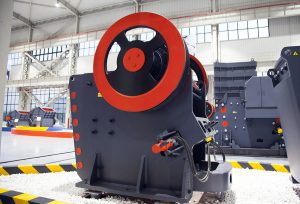
Primary stage: PE jaw crusher
A PE series jaw crusher is usually the best first step because it can handle large granite blocks and deliver strong, stable primary reduction. For ballast plants, the jaw crusher should not be pushed to produce overly small material. Its job is to open the rock efficiently and prepare a consistent feed for the cone stage.
That matters because ballast quality starts with controlled breakage, not over-crushing.
Related content:
Secondary stage: cone crusher
The cone crusher is often the key machine in ballast production. It refines the jaw output into the target coarse stone range while helping reduce flaky particles compared with a jaw-only process.
For railway ballast, the cone stage should be selected and adjusted to balance three things:
- Good particle shape.
- Stable size distribution.
- Low unnecessary fines generation.
If the cone is too tightly set, you may create too many fines. If it is too open, shape and grading may drift out of target. This is why ballast production is usually more about process tuning than just adding more crushing force.
Screening stage: critical, not optional
For railway ballast, screening is as important as crushing. A poorly chosen screen can turn a good crushing setup into a bad ballast line by mixing oversize, acceptable stone, and fines into one inconsistent product.
A ballast plant should usually include:
- A robust vibrating screen sized for coarse stone separation.
- Clear oversize return to the cone.
- Separate handling for fines and non-ballast fractions.
- Clean stockpile routes to avoid contamination.
In many cases, the screen is where product value is really protected.
Related content:
Typical Granite Ballast Production Flowsheet
A simple and effective railway ballast process may look like this:
- Hopper and vibrating feeder.
- PE jaw crusher for primary crushing.
- Cone crusher for secondary reduction.
- Vibrating screen for grading.
- Oversize return to cone.
- Qualified ballast to stockpile.
- Fines and non-ballast fractions separated for other markets.
This kind of setup helps you do something commercially important: produce ballast plus secondary saleable materials. Instead of treating non-ballast fractions as waste, you can often direct them to road base, general aggregates, or even a future sand line, depending on your market.
That makes a ballast project more profitable and less dependent on one single product stream.
Related content:
How to Improve Ballast Shape Without Over-Crushing?
A common mistake in railway ballast production is trying to “improve shape” by simply crushing harder and longer. In reality, too much reduction often creates more fines and more wear, which is the opposite of what a ballast plant wants.
A better approach is:
- Use the jaw only for primary size reduction.
- Let the cone do controlled shaping and reduction.
- Optimize screen cuts before changing crusher settings.
- Recycle only the necessary oversize, not everything.
- Avoid sending acceptable ballast-sized material back for extra crushing.
This is especially important in granite, where every unnecessary crushing step increases liner wear and power cost.
Related content:
Common Mistakes in Granite Ballast Crushing Plants
To help solve real user pain points, here are several frequent mistakes ballast producers make:
Mistake 1: Using a plant designed for road aggregate without adjustment
A highway aggregate line and a railway ballast line are not exactly the same. Highway products may accept more smaller fractions and different shape priorities, while ballast needs stronger emphasis on coarse, durable, well-drained stone.
Mistake 2: Focusing only on tons per hour
High output is useful, but railway ballast is a specification-driven product. If you hit high capacity with poor shape or too many fines, the production number looks good but the commercial result is weak.
Mistake 3: Poor stockpile management
Even if the crusher and screen work well, contamination at the stockpile can hurt ballast quality. Mixing qualified ballast with fines or lower-grade stone can cause shipment rejection.
Mistake 4: Over-reliance on impact crushing
Impact-based shaping can improve some aggregate products, but in abrasive granite it may increase wear and produce too many fines if used aggressively. For ballast, the process should usually stay focused on jaw + cone + precise screening.
FAQs About Granite Crusher for Railway Ballast:
1. What is the best crusher setup for railway ballast made from granite?
In most cases, a jaw crusher for primary crushing, a cone crusher for secondary reduction, and a properly designed screening system offer the most practical solution. This setup helps produce strong, angular ballast while controlling fines and oversize.
2. Can I use a general granite crushing plant to produce railway ballast?
Yes, but not always without adjustments. Many general granite plants can be adapted for ballast production by changing screen setups, refining cone settings, improving recirculation control, and separating qualified ballast from non-ballast fractions more carefully.
3. Why does my ballast product contain too many fines?
This usually happens when the plant is over-crushing the material, the cone setting is too tight, or too much acceptable material is being sent back for re-crushing. In some cases, poor chute design or stockpile contamination also makes the final ballast look dustier than it really is.